West Bengal has formed a specialized committee to overhaul school curricula for Classes 1 to 12 in alignment with NEP 2020. Chaired by Prof. Debashis Chatterjee, the panel aims to curb rote learning, reduce academic stress, and minimize reliance on private tuition through enhanced classroom instruction.
The West Bengal government constitutes a high-level committee to revamp school education, curb rote learning, and align with national standards.
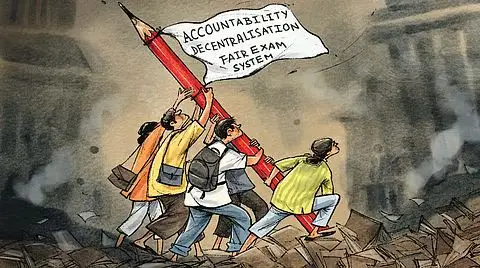
In a significant policy shift for regional education, the West Bengal government officially constituted a specialized syllabus-cum-curriculum committee in Kolkata to review and overhaul course materials for Classes 1 through 12. Announced by the School Education Department, the newly formed panel is tasked with aligning the state's academic framework with the National Education Policy (NEP) 2020 and national curriculum guidelines. By prioritizing critical thinking and conceptual comprehension over traditional memorization, the state aims to alleviate mounting academic pressure on students while modernizing classroom instruction.
Committee Mandate and Structural Alignment
According to official notifications issued by the state education department, the newly established committee will conduct a comprehensive audit of existing primary, secondary, and higher secondary syllabi.
Leadership: The panel is chaired by Prof. Debashis Chatterjee of the University of Kalyani, with Arindam Banerjee, additional officer and ex-officio joint director of school education, serving as the member secretary.
National Benchmarks: The curriculum review integrates guidelines from the National Curriculum Framework for Foundational Stage (2022) and the National Curriculum Framework for School Education (2023).
Target Deadlines: The committee has been instructed to submit its preliminary report within two months of its inaugural meeting, followed by a final report within three months.
Curbing Rote Learning and Private Tuition Dependence
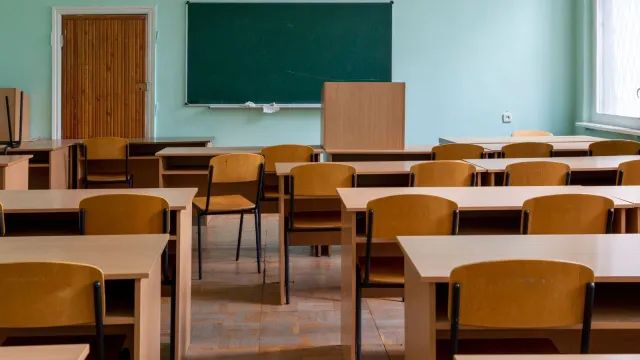
A core focus of the newly formed panel is restructuring evaluation methodologies to eliminate rote learning and heavy cramming. State education officials noted that the panel will investigate ways to strengthen classroom instruction so that schools serve as primary hubs of learning, thereby reducing the heavy reliance on private coaching and commercial guidebooks. Additionally, the committee will review teacher training frameworks to foster enquiry-based education, scientific temperament, and modern audio-visual teaching practices.
Why It Matters
For students and parents across West Bengal, modernizing the school curriculum promises a reduction in academic stress and a more engaging, practical learning environment. For educators and policymakers, the reforms aim to bridge systemic gaps between state board standards and contemporary national education frameworks.
Key Facts at a Glance
Scope: Classes 1 to 12 across primary, secondary, and higher secondary levels.
Chairperson: Prof. Debashis Chatterjee (University of Kalyani).
Core Objectives: Aligning with NEP 2020, eliminating rote learning, and curbing private tuition dependence.
Reporting Timeline: Preliminary report due within two months; final report within three months.
Frequently Asked Questions
Why did the West Bengal government form the new curriculum committee?
The committee was formed to review and overhaul school textbooks and syllabi for Classes 1 to 12, aligning them with NEP 2020 and modern pedagogical practices.
Who is heading the newly established curriculum panel?
The panel is chaired by Prof. Debashis Chatterjee of the University of Kalyani, with Arindam Banerjee acting as member secretary.
What are the primary goals regarding student assessment and coaching?
The panel aims to replace rote memorization with conceptual learning, reduce academic stress, and minimize students' heavy reliance on private tuition by strengthening classroom teaching.
Source: West Bengal School Education Department, The Indian Express, The Economic Times, Ministry of Education