One year after suspending the Indus Waters Treaty due to security concerns, India has announced that the 1960 pact will not resume in its current form. New Delhi is prioritizing accelerated domestic hydropower development on the Chenab River while demanding comprehensive renegotiation tied to an end of cross-border terrorism.
One year after suspending the Indus Waters Treaty, New Delhi asserts the 1960 pact is outdated and requires complete restructuring.
Marking a decisive turn in regional diplomacy, New Delhi has reaffirmed that the landmark 1960 Indus Waters Treaty (IWT) will remain indefinitely in abeyance following security escalations linked to cross-border terrorism. Originally placed on hold in April 2025 in the wake of the terror attack in Pahalgam, government sources and policy disclosures indicate that India views the six-decade-old water-sharing framework as fundamentally obsolete. As policy planners accelerate domestic hydroelectric infrastructure on western rivers, India has laid down strict preconditions for any future engagement concerning transboundary water governance.
Strategic Rationale and Treaty Obsoleteness
According to official disclosures from Indian authorities and strategic assessments published by The Indian Express, the decision to freeze the treaty stems from persistent geopolitical friction and structural limitations.
Security Linkage: Government representatives emphasize that bilateral water cooperation cannot proceed normally while cross-border terrorism continues to threaten national security.
Arbitration Frustrations: New Delhi has maintained that external arbitration rulings concerning technical parameters like maximum pondage are null and void, citing procedural overreach while the treaty remains suspended.
Need for Modernization: Authorities argue that the 1960 pact fails to address contemporary environmental realities, modern basin management, and India’s growing clean energy requirements.
Accelerated Hydropower Development and Future Roadmap
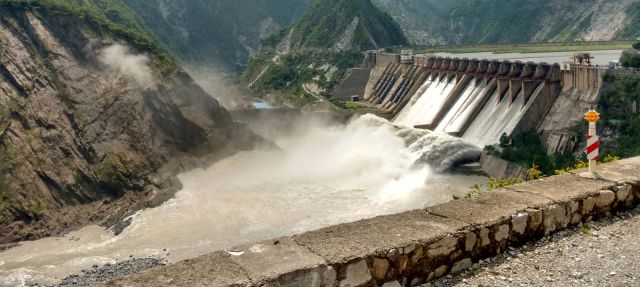
With the treaty frozen, India has shifted its core operational focus toward fast-tracking critical infrastructure across the Indus river basin. Key priorities highlighted by the Ministry of Jal Shakti include accelerating major hydroelectric projects on the Chenab River—such as the Sawalkote, Pakal Dul, Ratle, Kiru, and Kwar installations—to maximize India's legitimate utilization rights. Government sources have clarified that any future revival of river water-sharing provisions will require comprehensive renegotiation in a modified format, remaining strictly contingent on verifiable, permanent action against terrorist networks.
Why It Matters
For regional stability and energy planning, India's refusal to restore the treaty in its current form signals a permanent break from decades-old status quos. For energy developers, the unhindered advancement of Chenab basin projects is vital to meeting long-term domestic clean energy and grid stability goals.
Key Facts at a Glance
Suspension Trigger: Placed in abeyance following the April 2025 Pahalgam terrorist attack.
Core Condition: Any future renegotiation depends on Pakistan ending cross-border terrorism.
Infrastructure Focus: Accelerated construction of multi-megawatt hydropower projects on the Chenab River totaling over 5,000 MW.
Treaty Origin: Originally signed on September 19, 1960, under World Bank facilitation.
Frequently Asked Questions
Why did India place the Indus Waters Treaty in abeyance?
India suspended the treaty following cross-border security incidents, noting that cooperative water management is untenable amidst persistent state-supported terrorism.
Will the original 1960 Indus Waters Treaty be restored?
Government sources have stated that the IWT in its present form will not function again, and any future framework will require complete renegotiation.
What are India's immediate infrastructure priorities under the suspension?
New Delhi is fast-tracking critical run-of-river hydroelectric projects on western rivers, particularly on the Chenab, to optimize domestic energy generation.
Source: The Indian Express, Permanent Court of Arbitration, World Bank