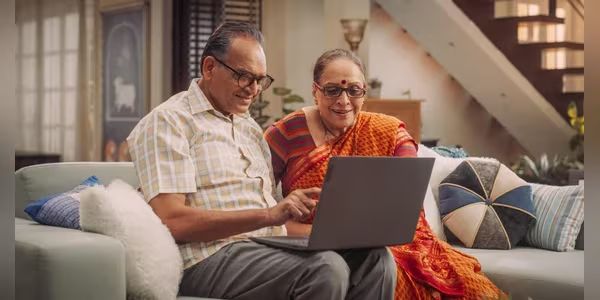
A new report reveals that Indian diaspora families in the U.S. face immense psychological tolls and strict H-1B visa hurdles when caring for aging parents in India. With nearly a third of elderly Indians facing chronic illnesses and localized care shortages, families increasingly demand reliable professional eldercare systems.
A comprehensive new report maps the severe non-monetary toll and visa restrictions faced by Indian diaspora families supporting aging parents from afar.
For millions of non-resident Indians (NRIs) living in the United States, managing the welfare of elderly parents thousands of miles away involves an emotional toll that extends far beyond financial remittances. According to a comprehensive research report compiled by Samarth Elder Care and findings from the Back to India NRI Community Survey, the distance creates acute psychological distress, compounded by strict legal and immigration constraints. Released in July 2026, the data underscores how structural barriers—particularly U.S. H-1B visa rules—severely restrict the ability of diaspora professionals to travel or relocate home during family health crises.
Visa Constraints and the Diaspora Dilemma
According to official survey disclosures, immigration frameworks act as a primary bottleneck preventing seamless caregiving for Indian nationals abroad.
H-1B Visa Vulnerability: In the Back to India NRI Community Survey, 68 out of every 100 H-1B visa holders in the U.S. reported that strict employment-tied visa regulations and reentry uncertainties directly hinder their ability to manage parental emergencies.
Geographic Disparities: While U.S.-based respondents battle visa and travel hurdles, diaspora members in the Gulf face risks of job and residency loss due to extended leave, while those in the UK, Australia, and Singapore balance demanding careers with long-distance anxiety.
Desire to Relocate: The systemic strain has driven 74 out of every 100 NRIs to identify proximity to aging parents as their primary motivation for considering a permanent move back to India.
Healthcare Realities and Infrastructure Deficits
The emotional strain is amplified by complex medical vulnerabilities on the ground in India. Citing data from the India Ageing Report released by the United Nations Population Fund (UNFPA), nearly one in three elderly Indians live with ongoing chronic health conditions. Furthermore, while India's National Health Mission targets a 20-minute ambulance response time in metropolitan zones, practical delays in emergency scenarios remain critical. Industry estimates from the Association of Senior Living India indicate that organized senior care infrastructure remains heavily clustered in major metros, leaving Tier 2 and Tier 3 cities—where the demand is growing fastest—underserved.
Why It Matters
For diaspora professionals and transnational families, navigating parental healthcare without reliable local support systems results in chronic stress and lost productivity. Establishing trustworthy, professional eldercare networks bridges the gap between distant children and their vulnerable parents.
Key Facts at a Glance
Visa Obstacle: 68% of U.S. H-1B holders report visa uncertainty blocks effective caregiving.
Relocation Driver: 74% of NRIs view moving closer to aging parents as a top reason to return to India.
Health Vulnerability: Nearly 33% of elderly Indians manage chronic health conditions.
Infrastructure Gap: Professional senior care remains heavily concentrated in major metropolitan hubs.
Frequently Asked Questions
What are the main challenges faced by NRIs caring for aging parents in India?
Key challenges include strict visa restrictions (such as U.S. H-1B rules), geographical distance, delayed emergency medical response times, and a lack of organized eldercare facilities in Tier 2 and Tier 3 cities.
How do U.S. H-1B visa rules impact family caregiving?
Because H-1B visas are tied to specific employers and require strict reentry compliance, traveling back to India on short notice for family emergencies carries significant career and legal risks.
What percentage of elderly Indians live with ongoing health conditions?
According to the UNFPA India Ageing Report, nearly one in three elderly Indians live with chronic health conditions.
Source: Samarth Elder Care, UNFPA, EIN Presswire