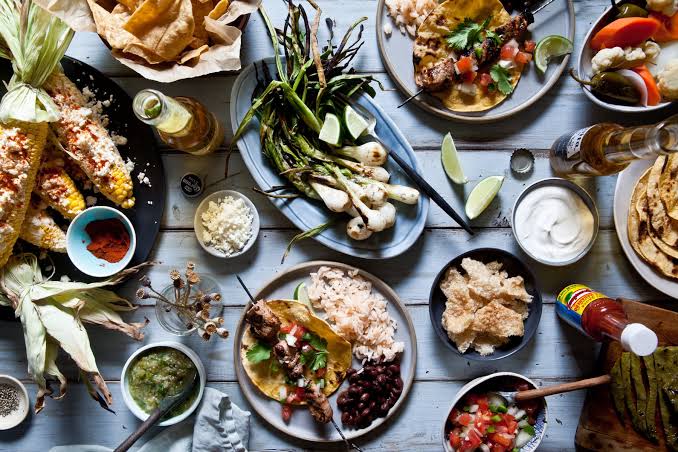
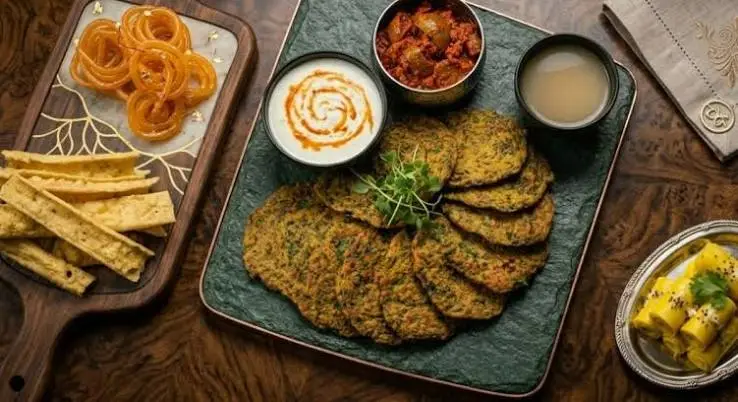
Edible aesthetics is transforming global dining by treating food as an architectural and artistic medium. By combining structural engineering, color theory, and multi-sensory storytelling, modern chefs and designers create visually striking dishes that engage consumers long before the first bite, redefining the future of gastronomy.
NEW DELHI — The global culinary sector is experiencing a profound shift as edible aesthetics emerge as a recognized discipline merging food science, visual arts, and structural architecture. Moving past traditional plating methods, contemporary chefs, bakers, and food designers worldwide are engineering dishes that function as visual storytelling vehicles before a single bite is consumed.
This expanding movement redefines how consumers interact with meals, leveraging principles of balance, proportion, and color theory borrowed directly from structural architecture. From complex pastry arrangements utilizing hidden support frameworks to vibrant, ingredient-led color palettes, modern gastronomy relies on precise visual composition to elevate dining into an immersive cultural experience.
The Engineering and Architecture of Modern Plating
The integration of architectural design into culinary arts requires precise coordination between visual appeal and structural integrity. High-end pastry chefs and savory kitchen directors routinely employ foundational rules of geometry and symmetry—such as radial and bilateral arrangements—to create immediate visual satisfaction. Multi-tiered desserts and layered creations frequently rely on internal support architectures, including chocolate pillars or edible sugar structures, functioning much like concealed steel beams in skyscrapers.
Industry analysts note that this design-led shift is driven by a hybrid dining culture where physical plates intersect with digital storytelling. Restaurateurs and hospitality brands are increasingly utilizing bespoke ceramics, specialized table lighting, and deliberate textural contrasts to frame dishes as intentional works of art.
According to design disclosures, culinary research notes, and hospitality data:
Design Frameworks: Integration of architectural balance, proportion, and radial or bilateral symmetry in plate composition.
Structural Engineering: Use of hidden support mechanisms in pastry and confectionery arts to maintain vertical form.
Sensory Engagement: Intentional pairing of ambient lighting, bespoke tableware, and natural food colors to trigger emotional memory.
Consumer Shift: Growing demand for immersive, highly visual dining experiences that extend brand identity beyond the physical table.
Official Sources Section
Quote Section
"According to culinary design researchers and hospitality experts, modern dining has evolved into an immersive, multisensory discipline where visual aesthetics, structural engineering, and storytelling shape the core value of a meal."
Why It Matters
For consumers and food enthusiasts, the emphasis on food aesthetics transforms routine dining into a memorable, multi-sensory event that engages sight, touch, and narrative. For restaurants, cafes, and hospitality businesses, thoughtful food design and visual storytelling create distinct brand identities that drive customer loyalty and digital engagement.
Key Facts at a Glance
Core Concept: Edible aesthetics treating food as a medium for art and design.
Technical Integration: Application of architectural symmetry and structural engineering in gastronomy.
Primary Driver: Rise of immersive, experience-driven dining among global consumers.
Medium Expansion: Seamless blending of physical plating with digital and spatial harmony.
FAQ Section
What is the concept of 'edible aesthetics' in modern cuisine?
Edible aesthetics views food as a medium for art, design, and culture, focusing on visual storytelling and architectural plating before the food is tasted.
How do chefs achieve structural integrity in complex dishes?
Chefs and pastry artists utilize hidden support systems, such as chocolate rods, sugar structures, and precise weight distribution, similar to architectural engineering.
Why are food aesthetics playing a larger role in dining today?
Consumers increasingly seek immersive, multisensory dining experiences where the visual presentation, environment, and narrative elevate the meal beyond basic nutrition.
Where can culinary professionals track official updates on global food trends?
Comprehensive reports on culinary innovations and experiential dining are published regularly through organizations like the World Association of Chefs' Societies.
Source: World Association of Chefs' Societies, International Flavors & Fragrances, Hospitality Design Journal, Global Culinary Institute Reports