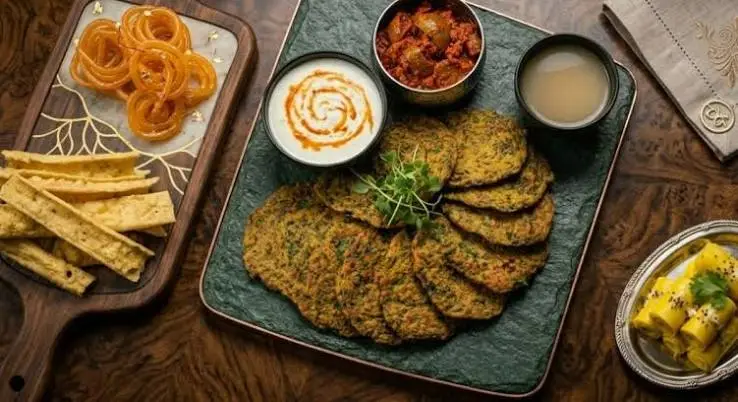
Recent ICMR reports reveal that while urban consumers fixate on high-protein products, the wider population struggles with excessive carbohydrate intake and low-quality protein sources. Public health experts stress that balanced diets focusing on whole foods are essential to combat rising metabolic diseases.
NEW DELHI — Recent pan-India nutritional studies released by the Indian Council of Medical Research (ICMR) and the National Institute of Nutrition (NIN) indicate a complex reality regarding national dietary habits. While urban fitness demographics experience a surge in commercial protein supplements and dietary fixation, extensive population data highlights that average daily diets remain heavily reliant on carbohydrates, which make up over 60 percent of daily calorie consumption.
The findings counter generalized assumptions about national consumption trends. Although absolute protein numbers often meet basic Recommended Dietary Allowance (RDA) thresholds on paper—averaging around 61 to 63 grams per day across rural and urban sectors—the biological quality and amino acid profiles of these proteins frequently fall short of optimal requirements due to heavy reliance on cereal-based sources.
Carbohydrate Dominance Versus Fitness Trends
The contemporary urban fixation on high-protein diets often exists in stark contrast to the dietary realities of wider demographic groups. According to ICMR-NIN assessments, heavy reliance on milled grains, white rice, and added sugars drives high glycemic loads across households, directly correlating with rising metabolic risks, prediabetes, and obesity.
At the same time, the commercial wellness market has popularized specialized protein powders, bars, and restrictive high-protein regimens. Nutrition scientists emphasize that while these products serve specific athletic requirements, the broader public health challenge lies in diversifying everyday meals with high-quality complete proteins—such as legumes, dairy, poultry, and lean meats—rather than relying solely on expensive commercial supplements.
According to official institutional data, health reports, and nutritional surveys:
Carbohydrate Load: Carbohydrates account for approximately 62 percent of average daily caloric intake nationwide.
Protein Averages: Daily intake averages roughly 61.8 grams in rural areas and 63.4 grams in urban centers.
Quality Index: A significant portion of daily protein is derived from cereals, which possess lower digestible indispensable amino acid scores (DIAAS).
Metabolic Correlation: Diets heavy in refined carbohydrates contribute heavily to the rising prevalence of non-communicable chronic illnesses.
Official Sources Section
Quote Section
"According to nutritional research reports from the Indian Council of Medical Research, addressing the nation's metabolic health requires balancing macronutrient quality and shifting away from excessive carbohydrate dependence rather than focusing exclusively on isolated protein metrics."
Why It Matters
For everyday consumers, understanding these findings helps cut through aggressive marketing claims made by commercial supplement brands. For public health planners, shifting the focus from basic calorie counting to high-quality, diverse macronutrient intake is vital to curbing the rising tide of lifestyle diseases and metabolic disorders across generations.
Key Facts at a Glance
Core Misconception: Urban protein obsession contrasts with widespread cereal-heavy diets in wider populations.
RDA Standard: Baseline adult requirement stands at 0.83 grams per kilogram of body weight.
Primary Risk: High glycemic loads linked to refined carbohydrates pose greater immediate public health threats than generalized protein deficiency.
Strategic Shift: Emphasizing whole foods, millets, pulses, and lean proteins over processed supplements.
FAQ Section
Is India's current protein obsession justified by health data?
While targeted protein intake is important for fitness and muscle preservation, population-wide data shows that excessive carbohydrate consumption and poor protein quality pose more widespread health risks than absolute deficiency.
What is the recommended daily protein intake for Indian adults?
According to ICMR guidelines, the recommended dietary allowance (RDA) is 0.83 grams of protein per kilogram of body weight for healthy adults.
Where do most Indians source their daily protein?
The majority of protein in traditional Indian diets is derived from plant-based sources like cereals and pulses, which often have lower amino acid digestibility compared to animal proteins.
Where can citizens access official dietary guidelines?
Complete nutritional recommendations and balanced diet charts are available through the National Institute of Nutrition Portal.
Source: Indian Council of Medical Research, National Institute of Nutrition, The Hindu Science Desk, Nature Medicine dietary studies