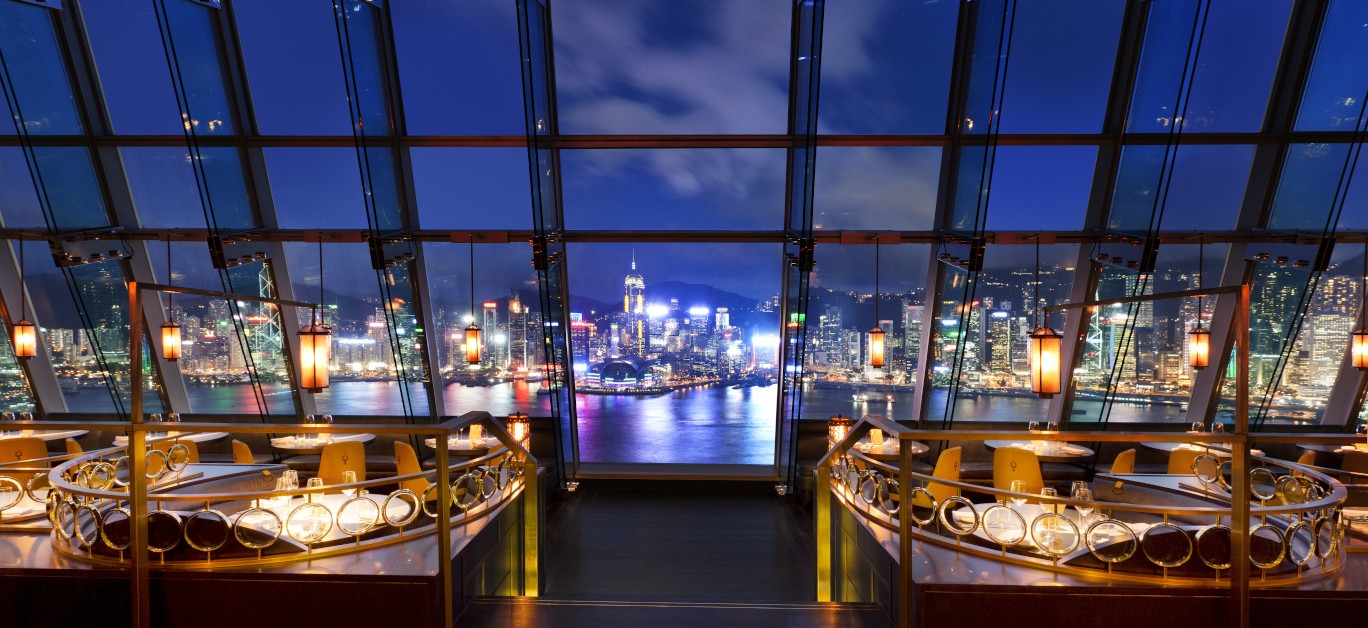
This overview explores Hong Kong’s elite dining preferences, focusing on the city’s renowned seafood markets in Sai Kung, the rise of sophisticated Indian cuisine, and the trend toward artisanal Italian pizza and pasta. These categories reflect the city's high standards for quality and the essential role of hospitality in business.
HONG KONG — Navigating the expansive culinary landscape of Hong Kong requires local insight, particularly when seeking out the favorites of industry leaders. For those familiar with the city's fast-paced hospitality sector, the search for authentic seafood, high-end Indian cuisine, and classic Italian fare—pizza and pasta—often leads to a refined collection of establishments that balance tradition with modern execution.
As the city’s dining scene continues to evolve in 2026, the preferences of global beverage executives provide a unique barometer for the standards of quality, atmosphere, and service that define the current market. Whether scouting venues for business gatherings or seeking quality leisure dining, these locations represent the intersection of international culinary standards and Hong Kong’s vibrant local food culture.
The Pursuit of Fresh Seafood in Sai Kung
For those prioritizing freshness, Sai Kung remains the premier destination. Known as the "back garden" of Hong Kong, this waterfront district offers a stark contrast to the dense skyscrapers of Central. Industry experts frequently gravitate toward the open-air seafood restaurants along the Sai Kung promenade.
According to restaurant industry observers, the model of selecting live catch directly from tanks—ranging from locally sourced grouper to imported scallops—remains the gold standard for seafood enthusiasts in the city. The focus here is on minimal preparation, typically steamed with ginger, scallions, and premium soy sauce, reflecting a deep respect for the quality of the raw ingredients.
Evolving Indian Cuisine in the City
The Indian dining scene in Hong Kong has transitioned from traditional storefronts to high-concept, upscale establishments that cater to an international palate. Business leaders often cite the vibrant spice profiles and sophisticated plating found in districts like SoHo and Wan Chai as reasons for the sector's continued growth.
These venues are recognized for integrating authentic regional recipes with a modern fine-dining service style. Whether it is contemporary takes on North Indian tandoori classics or nuanced South Indian coastal dishes, the current landscape of Indian restaurants in Hong Kong reflects the city's status as a global hub for diverse cultural experiences.
Artisanal Pizza and Pasta Trends
The demand for high-quality Italian cuisine, specifically artisanal pizza and pasta, has surged as Hong Kong’s dining demographic becomes more focused on ingredient provenance. In Central and Sheung Wan, a new wave of bistros is emphasizing "slow food" principles.
Industry reports indicate that the shift toward sourdough pizza bases and house-made pasta has elevated the standard of casual Italian dining. Executives in the beverage industry often highlight these establishments for their ability to pair heritage techniques with contemporary, minimalist interior designs, creating an environment suitable for both professional networking and relaxed social outings.
Official Industry Perspectives
Representatives from the local hospitality sector note that the resilience of Hong Kong’s dining scene is largely due to the high standards demanded by both residents and international visitors.
Organizers stated that the city's ability to maintain a competitive culinary environment stems from a consistent influx of talent and a persistent demand for high-quality dining experiences that balance innovation with time-honored traditions.
Why It Matters
For residents, travelers, and business professionals, understanding these dining preferences provides a roadmap to the city’s most reliable establishments. Beyond mere enjoyment, these venues are critical nodes in Hong Kong’s business culture, where deals are solidified and international relations are fostered over high-quality meals. Choosing the right venue is as much about the atmosphere and service consistency as it is about the menu.
Key Facts at a Glance
Sai Kung Appeal: Remains the primary destination for authentic, fresh-catch seafood prepared in traditional Cantonese styles.
Indian Fine Dining: Contemporary Indian venues in Hong Kong are increasingly merging traditional regional spices with high-end, modern presentation.
Italian Standards: The city is currently trending toward artisanal, house-made pasta and sourdough pizza bases in urban hubs like Central.
Business Relevance: These dining categories serve as essential environments for the city's professional and executive class to conduct business.
FAQ
What makes Hong Kong's seafood scene unique?
The proximity to the South China Sea allows for a "live-to-table" experience, particularly in areas like Sai Kung, where patrons select their seafood directly from the tank.
Are there options for business dining?
Yes, both the Indian and Italian dining sectors in Hong Kong offer upscale environments designed specifically to facilitate professional meetings and corporate gatherings.
Why is there a shift toward artisanal Italian food?
There is a growing consumer preference for ingredient transparency, which has driven local restaurants to produce house-made pasta and adopt longer fermentation processes for pizza dough.
Source: Hong Kong Tourism Board, Hong Kong Restaurant & Bar Industry Insights