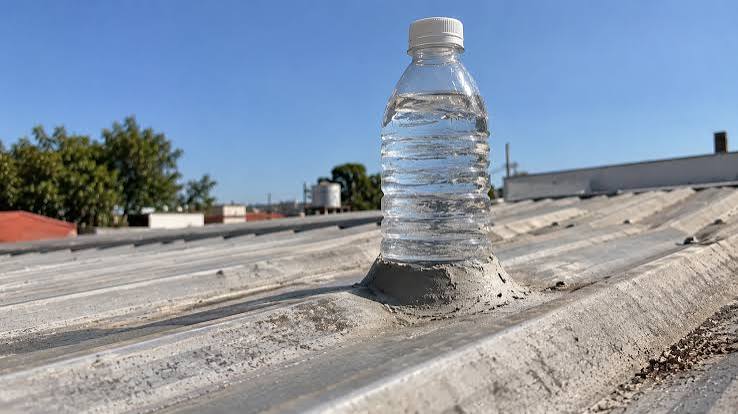
Placing water-filled plastic bottles on rooftops is a viral social media trend rooted in urban folklore rather than science. While popularized as a DIY trick to deter pests and stray animals, sanitation and pest control experts confirm the method is entirely ineffective and creates unnecessary plastic waste.
NEW DELHI — Across residential neighborhoods in urban centers, homeowners have increasingly adopted a curious practice: placing filled plastic water bottles on rooftops, balconies, and exterior ledges. While widely shared across social media platforms as a clever household trick to deter stray animals or ward off houseflies, pest control specialists and urban researchers clarify that the phenomenon is rooted in persistent folklore rather than scientific efficacy.
The trend, which gained traction globally before spreading across Indian metropolitan suburbs, relies on the belief that sunlight refracting through a clear plastic bottle creates blinding glares or optical illusions that frighten away stray dogs, cats, and insects. However, urban municipal authorities and veterinary welfare organizations note that these DIY deterrents offer no measurable control against common urban pests.
Origin of the Myth and Behavioral Reality
The concept largely stems from an old folk remedy traditionally used in agricultural settings or open-air markets, where vendors hung or placed water-filled bags and bottles to discourage flies. The rationale assumed that the compound lens effect of water refracting light would confuse insect compound eyes or replicate the appearance of large predators to stray animals.
According to entomologists and urban wildlife biologists, these assumptions do not hold up under controlled observation. Houseflies and stray animals quickly habituate to static water bottles placed on elevated surfaces, rendering any temporary visual deterrence ineffective within days. Furthermore, prolonged exposure to intense ultraviolet radiation causes cheap plastic bottles to degrade, potentially shedding microplastics into rainwater run-off or posing fire hazard risks if positioned improperly under direct sunlight.
According to municipal sanitation reports, consumer protection advisories, and pest control disclosures:
Viral Trend: Widespread adoption of placing water-filled plastic bottles on rooftops and balconies based on social media claims.
Purported Use: Intended as a low-cost, non-toxic deterrent against stray animals, pests, and houseflies.
Scientific Consensus: Entomologists and sanitation experts confirm the method lacks biological or physical efficacy for pest control.
Environmental Risk: Extended sun exposure leads to polymer degradation and plastic litter accumulation on residential roofs.
Official Sources Section
Quote Section
"According to sanitation experts and urban pest control authorities, placing water bottles on rooftops is a viral urban legend that offers no proven deterrent effect against stray animals or household insects."
Why It Matters
For homeowners and urban residents, recognizing the lack of scientific backing behind viral cleaning or pest hacks prevents wasted effort and reduces unnecessary plastic waste accumulation on rooftops. For municipal environmental bodies, addressing misleading online trends encourages reliance on approved, sanitary pest management methods across residential areas.
Key Facts at a Glance
Phenomenon: Placing water-filled plastic bottles on building roofs.
Popular Claims: Believed to repel flies, stray dogs, and cats via optical refraction.
Scientific Reality: Ineffective for long-term pest deterrence due to animal habituation.
Environmental Concern: Contributes to rooftop clutter and plastic degradation.
FAQ Session
Why do people place water bottles on their roofs?
The practice stems from a viral urban belief that water-filled plastic bottles refract sunlight to scare away stray animals and houseflies.
Does placing water bottles on the roof actually work?
No. Pest control experts and entomologists confirm that the method has no scientific backing and fails to deter pests or stray animals effectively.
Are there any environmental risks associated with this trend?
Yes. Leaving plastic bottles exposed to intense sunlight causes them to degrade, creating litter, microplastic runoff, and potential fire hazards.
Where can citizens find verified guidance on pest and sanitation management?
Approved municipal sanitation guidelines and vector control strategies are published via the Municipal Corporation Sanitation Portal.
Source: Municipal Corporation Sanitation Portal, Consumer Affairs Guidelines, The Times of India City Bureau, The Hindu Urban Living Desk