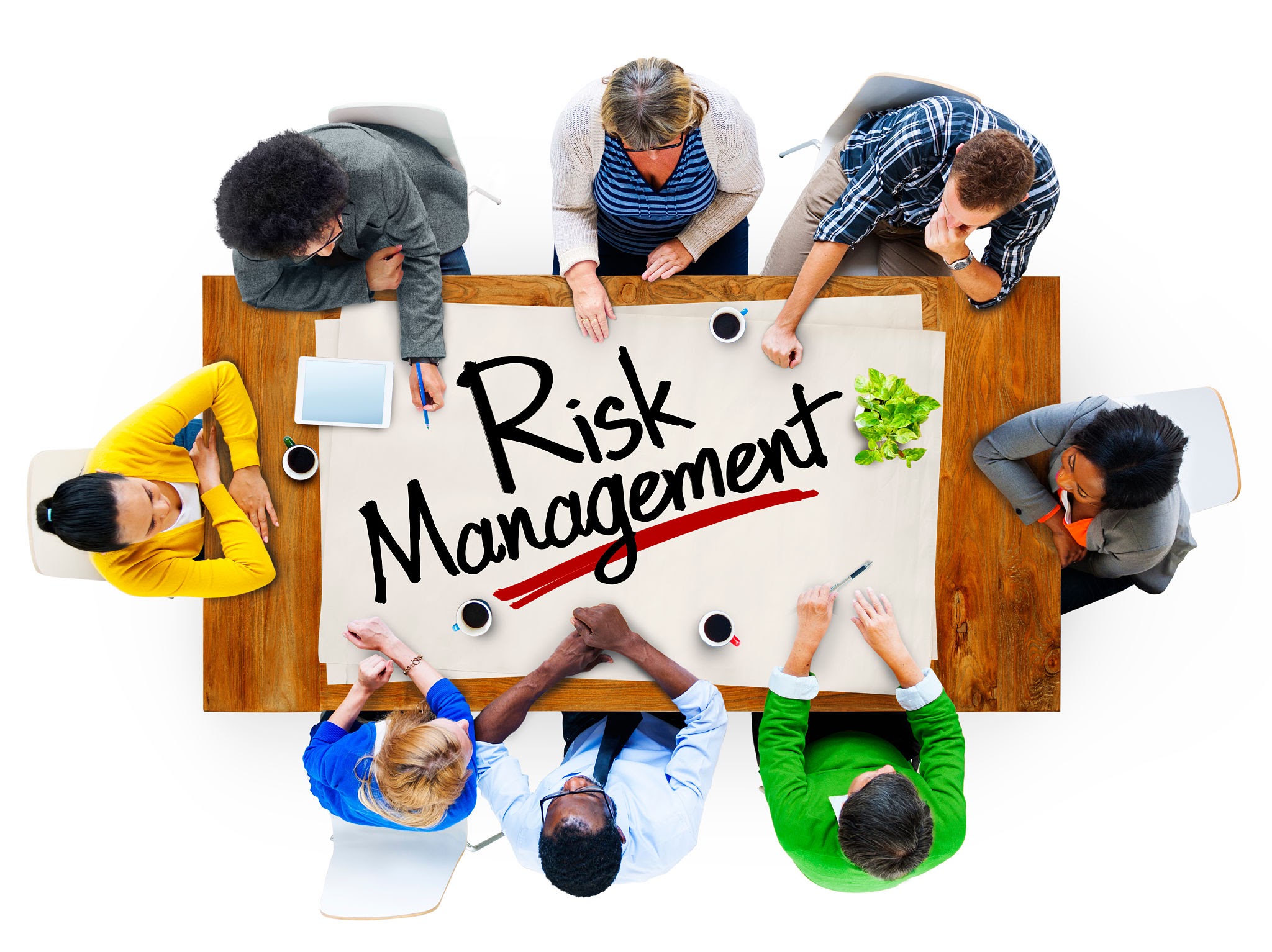
Financial regulators are prioritizing behavioral risk oversight across corporate sectors, warning that unaddressed conduct issues and toxic workplace cultures pose severe operational threats. To protect enterprise value and prevent compliance failures, corporate boards are integrating cultural audits, whistleblower mechanisms, and ethical incentive alignment into standard risk management frameworks.
MUMBAI, July 25, 2026 — Global financial regulators and corporate governance bodies have elevated behavioral risk oversight to a top policy priority, cautioning that internal conduct failures pose a greater threat to corporate solvency than traditional market volatility. According to quarterly operational advisories issued by financial oversight institutions, organizational culture and human conduct are now recognized as primary drivers of operational disruption, fraud, and regulatory non-compliance across enterprise sectors.
The shift reflects growing regulatory focus on behavioral risk management as boardrooms navigate complex compliance frameworks, digital transformations, and heightened shareholder accountability.
The Rising Imperative of Behavioral Risk Governance
Industry regulators emphasize that traditional risk models which focus heavily on credit, market, and liquidity exposures frequently fail to predict crises triggered by institutional conduct. When unaddressed cultural flaws or misaligned incentive structures take root, behaviour becomes your biggest risk across operational divisions.
Governance frameworks are increasingly tracking psychological and cultural indicators within corporate ranks to identify potential risk vectors before they manifest as public failures:
Incentive Misalignment: Compensation schemes tied strictly to short-term revenue goals without conduct guardrails encourage high-risk decision-making.
Information Silos: Fear of internal reprisal or weak reporting channels prevents middle management from escalating compliance anomalies to board audit committees.
Tone at the Top: Disconnects between executive compliance messaging and actual operational practices erode risk mitigation protocols.
| Governance Dimension | Traditional Risk Framework | Behavioral Risk Framework |
| Primary Metric | Balance sheet exposure & capital adequacy | Conduct patterns, whistleblowing trends & incentive structures |
| Trigger Points | Market volatility & credit defaults | Cultural drift, compliance bypasses & aggressive sales targets |
| Mitigation Method | Capital reserves & hedging strategies | Cultural audits, leadership accountability & psychological safety |
Regulatory Enforcement and Boardroom Accountability
Market authorities, including securities commissions and central banking regulators, are incorporating behavioral assessments into routine supervisory reviews. Independent audit committees are now tasked with evaluating human factors and cultural metrics alongside standard financial auditing procedures.
Governance specialists note that failure to monitor employee conduct and institutional ethics exposes corporations to severe reputational damage, shareholder derivative lawsuits, and substantial administrative fines.
Official Sources Section
According to official regulatory advisories and corporate governance guidelines released by financial oversight authorities:
"According to officials, financial institutions and publicly listed entities must establish robust behavioral risk frameworks to identify cultural blind spots, protect whistleblowers, and ensure that incentive structures align with long-term enterprise stability."
Policy frameworks and compliance guidelines remain available via the Reserve Bank of India, the Securities and Exchange Board of India, and corporate governance standards from the Ministry of Corporate Affairs.
Why It Matters
Understanding how internal conduct shapes corporate resilience carries direct operational and financial consequences:
For Shareholders & Investors: Behavioral risk auditing provides early indicators of corporate vulnerabilities before they impact asset valuations or earnings releases.
For Corporate Boards: Enables proactive intervention in toxic workplace cultures, reducing legal liability and regulatory sanctions.
For Employees & Consumers: Fosters transparent corporate environments that protect internal whistleblowers and shield consumers from predatory sales practices.
Key Facts at a Glance
Regulatory Focus: Global oversight authorities rank behavioral and conduct risk alongside market and liquidity risks.
Core Vulnerability: Unaligned incentives and weak cultural oversight serve as primary catalysts for corporate non-compliance.
Board Responsibility: Independent audit committees are adopting psychological and behavioral metrics in routine corporate evaluations.
Preventive Approach: Early detection of conduct anomalies prevents severe financial penalties and reputational erosion.
Frequently Asked Questions (FAQ)
What is behavioral risk in corporate governance?
Behavioral risk refers to the potential financial, operational, or reputational harm caused by inappropriate employee conduct, toxic workplace cultures, misaligned incentives, or systemic governance failures.
Why do regulators consider behavior a major operational risk?
Regulators recognize that despite having sophisticated financial controls, companies can suffer severe failures if internal culture encourages rule bypasses, unethical sales practices, or the suppression of bad news.
How can companies measure and mitigate behavioral risk?
Organizations assess behavioral risk through employee feedback mechanisms, whistleblower reporting rates, exit interviews, incentive structure reviews, and independent cultural audits.
Source: Reserve Bank of India (RBI), Securities and Exchange Board of India (SEBI), and Ministry of Corporate Affairs (MCA).