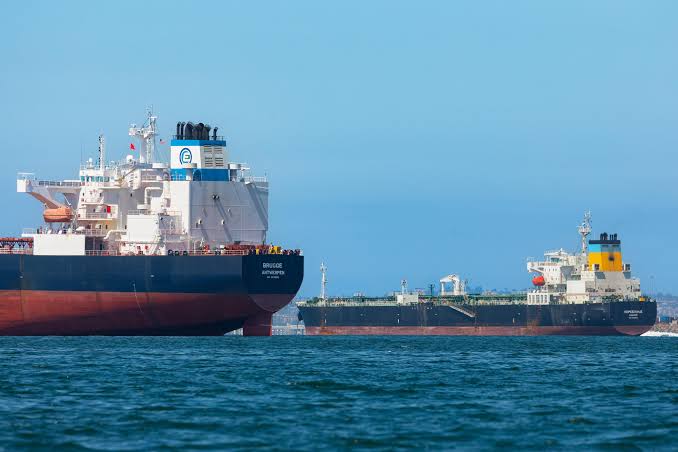
In a major development for India’s agricultural supply chain, 15 ships carrying essential fertilisers and raw materials have successfully crossed the Strait of Hormuz, easing concerns over potential shortages during the critical monsoon cropping season. The Ministry of Chemicals and Fertilisers confirmed on Sunday that these vessels, which were previously delayed due to regional geopolitical tensions, are now en route to Indian ports, set to significantly bolster national inventory levels.
NEW DELHI — In a major development for India’s agricultural supply chain, 15 ships carrying essential fertilisers and raw materials have successfully crossed the Strait of Hormuz, easing concerns over potential shortages during the critical monsoon cropping season. The Ministry of Chemicals and Fertilisers confirmed on Sunday that these vessels, which were previously delayed due to regional geopolitical tensions, are now en route to Indian ports, set to significantly bolster national inventory levels.
The movement of these ships represents a breakthrough in maintaining the country's fertiliser security. As the world’s second-largest consumer of fertilisers, India relies heavily on imports from the Gulf region for its urea and ammonia supplies, making the Strait of Hormuz a critical artery for its agricultural economy.
Strengthening Domestic Stocks
According to official data released by the government, the 15 vessels are carrying a substantial volume of key agricultural inputs. The cargo includes 3.32 lakh metric tonnes (LMT) of urea, 2.57 LMT of di-ammonium phosphate (DAP), and 1.11 LMT of sulphur.
Beyond the 15 ships that have already cleared the strait, the government outlined a pipeline of additional arrivals. Five more vessels are scheduled for India, including shipments of ammonia and urea. Furthermore, loading operations are currently underway for two additional urea vessels and one sulphur carrier, ensuring a steady stream of supplies to meet the high demand of the Kharif season.
Restored Production and Strategic Planning
The government credited "timely planning, effective coordination, and continuous monitoring" for navigating the recent maritime disruptions. Beyond securing international shipments, the Ministry reported that the supply of natural gas—a vital feedstock for domestic fertiliser production—has been fully restored to 100% capacity after a temporary dip to 65% during the height of the regional conflict. Consequently, all urea plants across India are now operating at full capacity.
To mitigate future risks, the Department of Fertilisers has diversified its procurement strategy. Indian Missions abroad have played a pivotal role in securing alternative supply sources from countries including Oman, Malaysia, Vietnam, Georgia, Nigeria, Russia, Finland, Egypt, Algeria, Turkiye, and the Netherlands.
Why It Matters
The timely arrival of these shipments is crucial for Indian farmers as they progress through the Kharif sowing season. By preventing potential supply gaps, the government aims to keep fertiliser prices stable and ensure that the agricultural sector remains insulated from the volatility of global shipping markets. As high input costs often translate into food inflation, the ability to maintain consistent availability of fertilisers is a cornerstone of India’s broader food security policy.
Key Facts at a Glance
Total Cargo Success: 15 vessels have cleared the Strait of Hormuz, carrying a combined total of over 7 LMT of fertilisers and raw materials.
Production Rebound: Natural gas supplies to domestic fertiliser plants have been restored to 100%, enabling full-capacity production of urea.
Diversified Sourcing: India has successfully tapped into new global markets, including suppliers in Southeast Asia, the Middle East, and Europe, to reduce dependency on traditional routes.
Strategic Pipeline: An additional five vessels are en route, with three more currently being loaded to further strengthen national stock levels.
FAQ
1. Why was the Strait of Hormuz a concern for India’s fertiliser supply?
The Strait is a vital maritime corridor for India’s imports of urea and ammonia from the Gulf. Geopolitical tensions in the region had delayed shipping, threatening the timely arrival of fertilisers for the Kharif season.
2. How does the government ensure fertiliser availability for farmers?
The government employs a multi-pronged approach, including long-term procurement planning, local manufacturing, global tendering, and diplomatic outreach to diversify import sources.
3. Are there enough fertilisers available for the current season?
Yes. According to the Ministry, current inventory levels, combined with the incoming shipments and full domestic production, are sufficient to meet the nation’s agricultural requirements.
4. Will this affect the price of fertilisers for farmers?
The government continues to provide fertilisers at highly subsidised rates to shield farmers from international price fluctuations, maintaining stability despite higher global procurement costs.
Source: Ministry of Chemicals and Fertilisers, Department of Fertilisers