India’s economic ambitions face fresh turbulence as Moody’s Ratings issued a stark warning on August 8, 2025, about the impact of newly imposed US tariffs. The United States has announced a 25 percent import duty on Indian goods, effective August 7, along with potential penalty tariff...
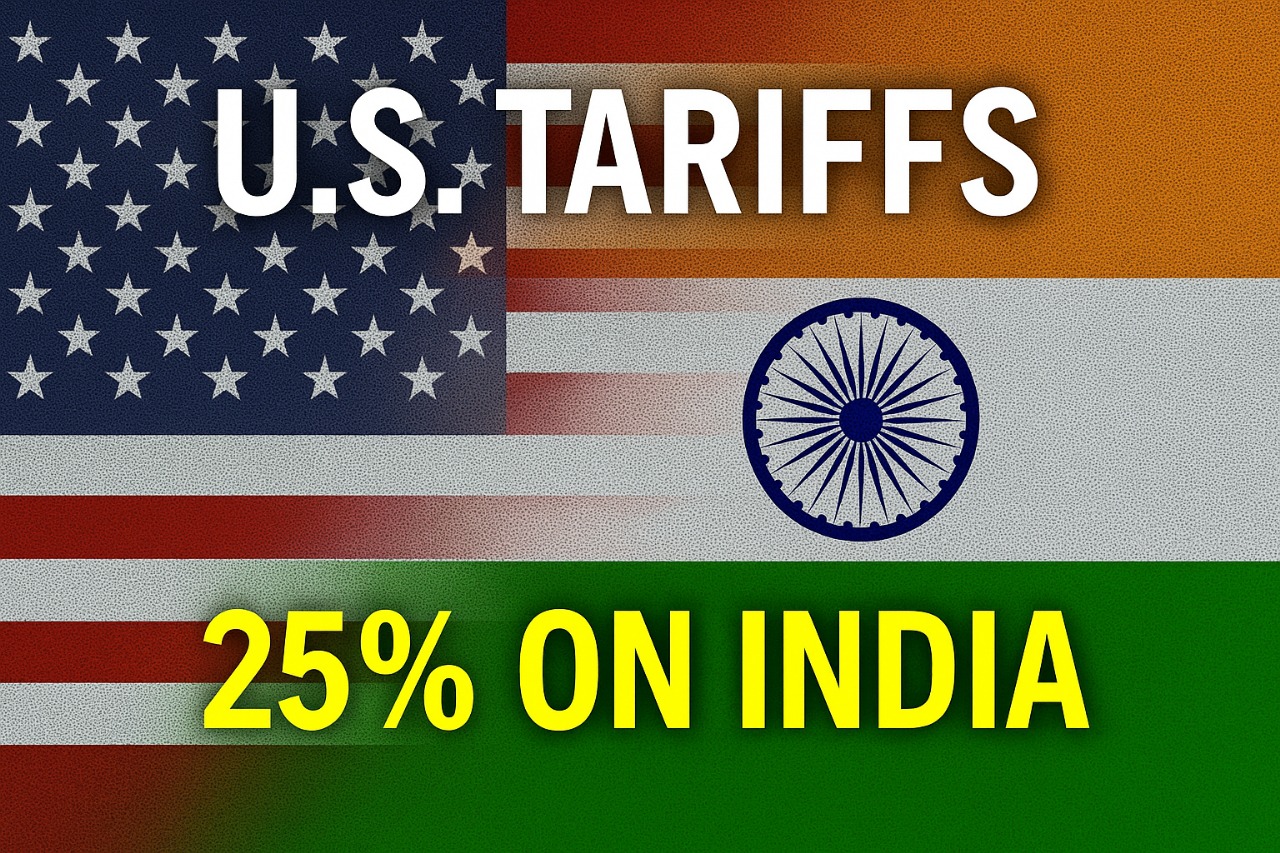
India’s economic ambitions face fresh turbulence as Moody’s Ratings issued a stark warning on August 8, 2025, about the impact of newly imposed US tariffs. The United States has announced a 25 percent import duty on Indian goods, effective August 7, along with potential penalty tariffs linked to India’s continued trade with Russia. According to Moody’s, these measures could significantly hinder India’s manufacturing growth and pose inflationary risks, even as domestic demand remains resilient.
Key Highlights from Moody’s Assessment
-
A 25 percent tariff on Indian exports to the US is now in effect
-
Additional penalty tariffs may follow due to India’s Russian oil imports
-
India’s manufacturing sector, especially electronics, faces major headwinds
-
Domestic demand and services exports expected to cushion the blow
-
India’s merchandise exports to the US stood at USD 80 billion in 2024
Impact on India’s Manufacturing Aspirations
Moody’s cautioned that the elevated tariff rate—higher than those imposed on other Asia-Pacific exporters—could derail India’s push to become a global manufacturing hub.
-
Electronics and high-value sectors are particularly vulnerable
-
India’s access to the world’s largest consumer market is now restricted
-
The country’s competitiveness in global trade flows may decline
-
Investment redirection away from India is a growing risk
Comparative Tariff Landscape
India’s new tariff burden places it at a disadvantage compared to regional peers:
-
APAC countries like Japan, South Korea, and Vietnam face tariffs between 15% and 20%
-
India’s 25% rate is among the highest, excluding China, which faces a 30% duty
-
The disparity could shift trade and investment flows toward lower-tariff nations
Penalty Tariffs and Geopolitical Tensions
The US administration has signaled additional penalties for countries importing Russian crude, with India in the spotlight.
-
The penalty rate is yet to be announced but could further escalate trade tensions
-
If India shifts away from discounted Russian oil, its import bill may rise
-
A higher oil bill could widen the current account deficit and pressure the rupee
Domestic Demand: A Silver Lining
Despite external shocks, Moody’s believes India’s large domestic market offers a buffer.
-
India is less trade-reliant than other APAC economies
-
Strong consumer demand and robust services exports remain intact
-
The services sector is not a major point of contention in US-India relations
Inflationary Risks and Growth Outlook
The tariff hike could have ripple effects on prices and growth:
-
Imported goods may become costlier, fueling inflation
-
Manufacturing slowdown could impact job creation and capital investment
-
Moody’s does not expect a recession but warns of slower growth momentum
Bilateral Trade Negotiations in Limbo
India and the US were in talks for a bilateral trade pact, but negotiations have stalled.
-
The tariff announcement follows failed talks ahead of August 1
-
Trade relations may remain strained unless a new deal is reached
-
India’s export strategy may need recalibration in light of these developments
Conclusion
Moody’s latest warning underscores the fragility of India’s external trade environment amid rising geopolitical and economic tensions. While domestic demand and services exports offer resilience, the manufacturing sector—central to India’s growth narrative—faces serious challenges. As the government navigates these headwinds, investors and policymakers will be watching closely for signs of recalibration in trade strategy and fiscal policy.
Source: Financial Express