The Kolkata Municipal Corporation has suspended the licences of 40 eateries and sweet shops and destroyed 1,224 kg of rotten food following widespread hygiene inspections. The crackdown targets severe health violations, including pest infestations and contaminated ingredients, ahead of the festive season.
Kolkata Municipal Corporation suspends 40 restaurant and sweet shop licences while destroying 1,224 kg of rotten food amid severe hygiene violations.
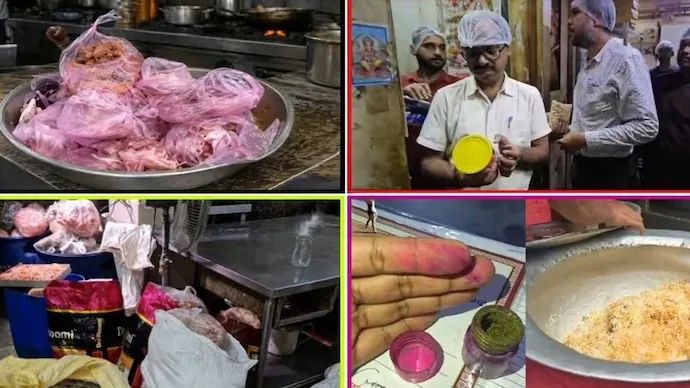
KOLKATA — In a sweeping crackdown on commercial food safety standards, the Kolkata Municipal Corporation (KMC) and health department officials cancelled the licences of 40 prominent restaurants, sweet shops, and food courts across Kolkata. Announced on September 8, 2026, the enforcement action followed extensive inspections across 592 locations during the city's designated "Food Safety Week". Civic authorities seized and destroyed 1,224 kilograms of unhygienic, expired, and rotten food items, targeting major establishments to safeguard public health ahead of upcoming festive celebrations.
Severe Hygiene Violations and Kitchen Inspections
The rigorous inspection drive uncovered alarming contamination issues, pest infestations, and hazardous food-handling practices in commercial kitchens.
Pest Infestations: Civic inspectors discovered active cockroach infestations, rat nests, and fungal growth inside refrigerators and raw material storage areas.
Hazardous Ingredients: Officials documented severe violations, including expired ingredients, reused burnt oil, and even traces of wall paint mixed directly into commercial biryani batches.
Notices and Sampling: Across the city-wide sweep, authorities issued notices to 112 entities and collected 161 food and raw material samples for laboratory analysis.
Prominent Outlets Targeted: Well-known establishments facing licence suspensions include major outlets such as Nizam's, Karim's, Shimla Biryani, and Arsalan branches.
Regulatory Action and Impact on Consumers
For everyday diners, food delivery consumers, and local residents, the widespread crackdown highlights critical vulnerabilities in commercial kitchen hygiene. Civic administrators emphasized that while the licence suspensions are currently temporary, affected operators must undertake mandatory corrective measures, upgrade sanitation infrastructure, and complete hygiene training workshops before applying for reinstatement. Industry analysts note that strict municipal enforcement protects public health and compels restaurant operators to prioritize stringent food safety compliance.
Why It Matters
Enforcing rigorous food safety standards prevents widespread foodborne illnesses and holds commercial food operators legally accountable. Proactive municipal oversight ensures that public health is protected across high-traffic urban dining hubs.
Key Facts at a Glance
Licences Suspended: 40 restaurants and sweet shops.
Food Destroyed: 1,224 kilograms of rotten and unhygienic provisions.
Locations Inspected: 592 commercial food establishments.
Key Violations: Pest infestations, fungal growth, expired goods, and toxic wall paint contaminants.
Frequently Asked Questions
Why were restaurant licences cancelled in Kolkata?
Licences were suspended due to severe hygiene violations, including pest infestations, rotten food storage, and contaminated raw materials.
How much food was seized during the inspections?
Civic authorities seized and destroyed 1,224 kg of unhygienic and expired food items.
Are these licence cancellations permanent?
No, the suspensions are temporary; establishments can reapply after completing required hygiene upgrades and compliance training.
Where can citizens track official municipal updates?
Updates are published via the Kolkata Municipal Corporation (KMC) portal.
Source: Kolkata Municipal Corporation (KMC), Government of West Bengal, India Today, The Print