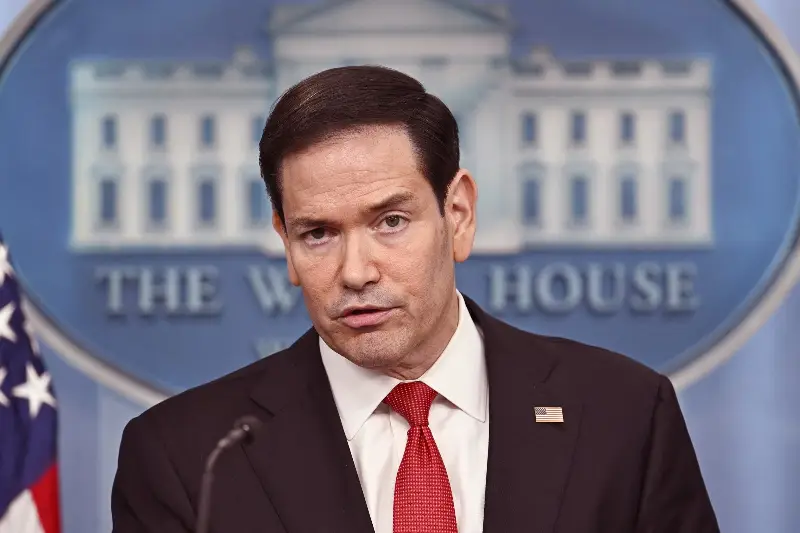
US Secretary of State Marco Rubio has indicated that Washington has made meaningful progress in its ongoing nuclear negotiations with Iran, with a formal announcement expected within days. The development marks a potentially pivotal moment in one of the world's most closely watched diplomatic standoffs, carrying far-reaching implications for Middle East stability, global oil markets and international non-proliferation frameworks.
Diplomacy At A Delicate Turning Point
The US-Iran nuclear talks have been a defining foreign policy challenge for successive American administrations, and Secretary Rubio's latest statement suggests the current round of negotiations conducted under the Trump administration may be nearing a concrete outcome. Rubio confirmed that both sides have made progress on key sticking points, with an announcement expected in the coming days. The development comes amid broader Middle East diplomatic activity, with the Trump administration simultaneously managing ceasefires, regional alliances and energy-related foreign policy objectives.
What Rubio Actually Said
Speaking to reporters, Rubio struck a cautiously optimistic tone, acknowledging that while significant differences have existed between Washington and Tehran, productive dialogue had advanced the talks to a stage where an announcement could be forthcoming. His statement stopped short of confirming a full agreement, leaving room for the possibility of a framework deal, a preliminary understanding or a phased arrangement that restricts Iran's uranium enrichment activities in exchange for sanctions relief. The choice of words "progress" and "announcement in the coming days" was deliberate and measured, reflecting the sensitive nature of the negotiations.
The Core Issues On The Table
At the heart of the US-Iran nuclear talks lies Washington's demand for a verifiable halt or significant rollback of Iran's uranium enrichment programme, which Tehran has advanced to near weapons-grade levels in recent years. Iran, in turn, seeks the lifting of sweeping US economic sanctions that have severely constrained its oil exports and banking sector. The talks have also encompassed discussions around ballistic missile development, regional proxy activity and the timeline for any inspection and verification mechanisms under a potential new agreement.
Why This Matters Beyond The Negotiating Table
A US-Iran nuclear deal even a partial or interim one would send immediate ripple effects across global energy markets, with Iranian oil potentially re-entering global supply chains and exerting downward pressure on crude prices. For India, which has historically been a significant importer of Iranian crude, any easing of sanctions carries direct economic relevance for its energy import bill and inflation dynamics. Regionally, Israel, Saudi Arabia and other Gulf states are watching the negotiations with acute interest, given Iran's nuclear and military posture directly impacts their own security calculus.
Key Highlights
- US Secretary of State Marco Rubio confirmed Washington has made significant progress in nuclear negotiations with Iran
- Rubio indicated a formal announcement on the talks is expected within the coming days
- Discussions centre on Iran's uranium enrichment programme, sanctions relief, ballistic missile activity and inspection mechanisms
- No full agreement confirmed yet outcome could range from a framework deal to a phased or interim arrangement
- A deal would likely trigger a return of Iranian crude oil to global markets, impacting international energy prices
- India, a historically significant importer of Iranian oil, stands to benefit economically from any sanctions easing
- Israel, Saudi Arabia and Gulf states are closely monitoring the negotiations given Iran's regional military footprint
- Talks are being conducted under the Trump administration, marking a notable shift from earlier maximum pressure policy postures
- Rubio's statement is the strongest public signal yet from Washington of imminent movement on the Iran nuclear file
Sources: Reuters | AP News | The Guardian | Al Jazeera | US State Department