Air India has launched a low-cost "Basic" economy fare tier on select short-haul domestic routes, removing complimentary in-flight hot meals to reduce ticket costs by up to ₹600. The trial program targets price-conscious travelers as the carrier introduces measures to manage rising jet fuel and operational expenses.
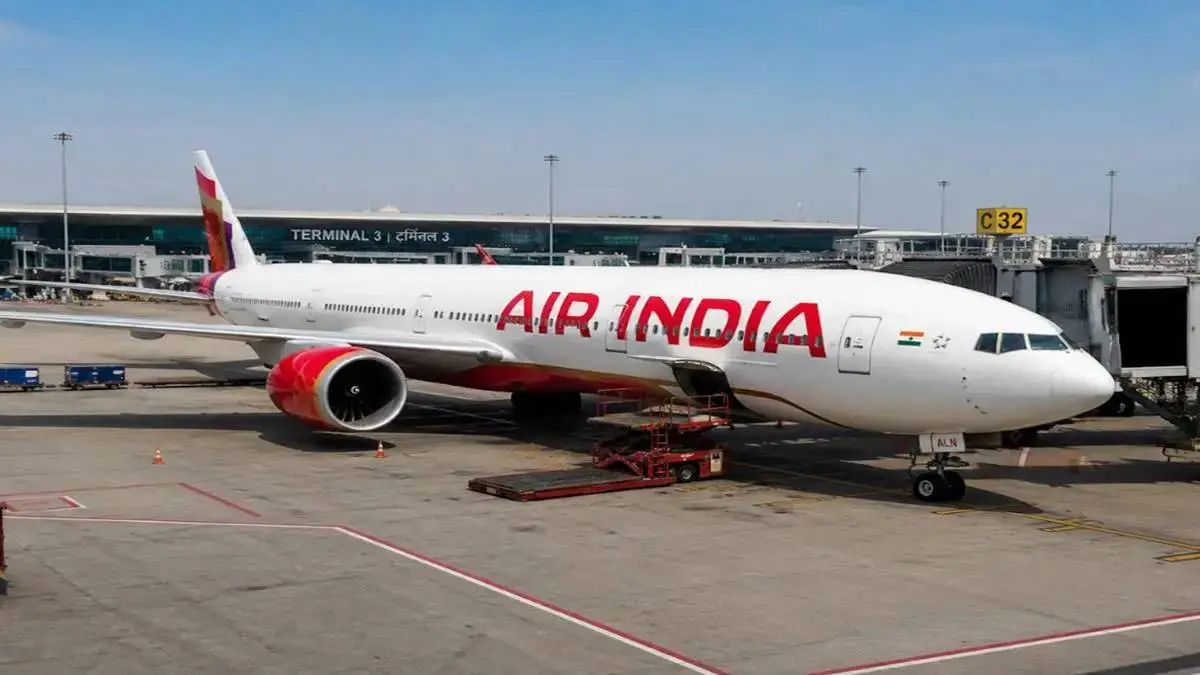
NEW DELHI — In a major structural shift for India's aviation market, flag carrier Air India announced the introduction of a low-cost "Basic" economy class ticket tier for domestic flights on June 16, 2026. The new fare family systematically unbundles traditional full-service perks, completely removing complimentary in-flight hot meals on select short-haul routes. The trial rollout marks the first time since the Tata Group finalized its privatization buyout of the legacy airline in 2022 that the carrier has stripped food services from its baseline passenger cabin. The strategic intervention aims to combat steep operational expenses, with the carrier reporting net losses exceeding ₹26,700 crore for the fiscal year ended March 2026.
Unbundling Short-Haul Routes and Cost Management Metrics
The "Basic" fare tier is currently operating on a pilot basis across specific domestic routes under 90 minutes in duration, including high-frequency commuter lanes such as Delhi-Chandigarh, Delhi-Amritsar, and Hyderabad-Bengaluru. According to internal commercial estimates, stripping out mandatory hot meals reduces the cost structure of an entry-level ticket by approximately ₹500 to ₹600 per seat.
By separating catering expenses from the core ticket price, the carrier is trying to match the lean fare structures of low-cost carriers (LCCs) like IndiGo. This development follows a severe contraction in June 2026, which saw the Air India Group cut roughly 14.6 lakh seats across major metro networks to trim unprofitable capacity.
The move reflects a wider effort by Indian airlines to stabilize margins. Analysts at CRISIL Ratings note that the domestic aviation sector's overall operating profits are projected to contract by 10% to 15% during the 2027 fiscal cycle due to elevated Aviation Turbine Fuel (ATF) costs and recurring geopolitical airspace curbs.
Comparing Air India's Domestic Branded Fare Categories
The introduction of the "Basic" category splits Air India's domestic economy cabin into four clear commercial tiers. Crucially for traditional travelers, the carrier confirmed that standard luggage allowances have not been reduced to basic budget-airline levels.
The structural differences between the newly introduced tier and the existing economy ticket packages are detailed below:
| Feature / Inclusion | Basic (New Pilot) | Value | Classic | Flex |
| Complimentary Meal | Excluded (Tea/Coffee only) | Included (Hot Meal) | Included (Hot Meal) | Included (Hot Meal) |
| Checked Baggage | 15 kg standard allowance | 15 kg standard allowance | 15 kg standard allowance | 25 kg extended allowance |
| Cabin Baggage | 7 kg standard allocation | 7 kg standard allocation | 7 kg standard allocation | 7 kg standard allocation |
| Seat Selection | Fee-based only | Limited free zones | Expanded free selection | Complimentary choice |
| Booking Channels | Direct channels only | All public channels | All public channels | All public channels |
To prevent severe booking migration away from global distribution systems, Air India has explicitly restricted the purchase of "Basic" tickets. The budget-oriented fare is exclusively available via the airline's direct retail storefronts, which include its official website, mobile application, corporate contact center, and airport ticketing counters.
Impact on Consumers, Business Travelers, and Financial Markets
For price-sensitive flyers and corporate commuters on quick hops, the unbundled fare offers a direct reduction in travel expenses. Passengers who purchase a "Basic" seat retain the flexibility to add a meal back onto their itinerary up to 24 hours prior to departure, with options covering vegetarian, non-vegetarian, Jain, and diabetic menus. The airline's policy states that if a flight experiences an unexpected schedule disruption or reaccommodation, any pre-purchased meal will be automatically refunded if it cannot be supplied on the newly assigned aircraft.
From an investment standpoint, the corporate restructuring program has drawn cautious optimism from financial markets. According to data published by the Singapore Airlines Group—which holds a 25.1% minority stake in the consolidated carrier following the Vistara merger integration—Air India's ongoing fiscal drag has heavily pressured its parent entities. Unbundling auxiliary services allows management to aggressively test consumer price elasticity while preserving premium amenities for high-yielding business travelers who buy top-tier Classic or Flex seats.
Official Sources Section
The operational metrics, fare breakdowns, and corporate timelines described in this report are sourced directly from official press releases posted via the Air India Newsroom, financial data published in the Singapore Airlines Group Annual Report, and domestic aviation market intelligence reports compiled by CRISIL Ratings.
Quote Section
"According to officials at the company's headquarters, by unbundling certain services, Air India is enabling price-conscious travellers to pay only for what they need, while preserving full-service offerings for those who value an all-inclusive experience."
Why It Matters
This decision marks a fundamental shift in the identity of India's legacy full-service carrier, proving that traditional premium brands must adopt hybrid budget mechanics to remain competitive. For everyday travelers, it alters the baseline definition of full-service flying, turning onboard food into an optional luxury rather than a standard inclusion.
Key Facts at a Glance
The Big Change: Air India launches an optional "Basic" economy ticket that excludes complimentary hot meals.
Financial Pressures: The cost-cutting push comes after the airline registered an annual loss of over ₹26,700 crore in the fiscal year ended March 2026.
The Safe Zones: Checked baggage limits remain intact at 15 kg, and complimentary tea or coffee service will still be provided to all passengers.
Limited Access: The lower-cost "Basic" seats can only be booked directly through Air India’s website, app, or airport counters.
Target Routes: The pilot phase focuses entirely on short domestic routes under 1.5 hours, where passenger demand for full hot meals is historically low.
FAQ Section
Q1: Will I still get free food if I buy a standard Air India ticket?
A1: Yes. The removal of free meals applies exclusively to the new "Basic" fare tier. If you book any of the three existing fare categories—Value, Classic, or Flex—complimentary hot meals remain fully included in your ticket price.
Q2: Can I buy a meal later if I accidentally purchase a 'Basic' ticket?
A2: Yes, travelers on "Basic" fares can pre-purchase their preferred hot meals up to 24 hours before the flight's scheduled departure using Air India’s digital management portal.
Q3: How much money do passengers save by choosing the 'Basic' fare?
A3: Travel agency data and source metrics indicate that unbundling the meal service drops the base ticket price by approximately ₹500 to ₹600 on average compared to a standard Value ticket on identical routes.
Source: Air India Press Newsroom, Singapore Airlines Investor Relations, CRISIL Aviation Industry Analytics