Akasa Air has launched its "Akasa SkyCadet" pilot training programme in partnership with DGCA-approved flight academies Dunes Aviation Academy and Skynex Aero. The structured three-phase initiative combines ground school, CPL training, and Boeing 737 MAX type-rating to build a long-term commercial pilot pipeline amid expanding regional fleet orders.
MUMBAI, India — Akasa Air has announced the launch of the Akasa SkyCadet pilot training programme, unveiling a highly structured development pipeline designed to nurture the next generation of domestic commercial aviators. Developed in formal collaboration with Directorate General of Civil Aviation (DGCA) approved Flight Training Organisations (FTOs)—specifically Skynex Aero and Dunes Aviation Academy—the initiative marks a major strategic push into grassroots human capital investment by India's fastest-growing airline.
The rollout arrives at a critical juncture for the domestic aviation landscape, which is wrestling with severe structural talent deficits alongside record-breaking aircraft orders from regional carriers.
Strategic FTO Framework and Boeing 737 MAX Integration
The Akasa SkyCadet Three-Phase Training Infrastructure
| Phase | Core Focus | Curricular Requirements & Benchmarks | Fleet Target |
| 1. Ground School | Theoretical Foundations | Preparation for mandatory DGCA examinations covering air regulations, meteorology, and navigation. | Academic |
| 2. CPL Flight Training | Operational Proficiency | Dual and solo flying exercises, instrument navigation, and cross-country operations meeting ICAO benchmarks. | General Aviation |
| 3. Type Rating | Commercial Jet Transition | Advanced full-flight simulator sessions and aircraft systems mastery. | Boeing 737 MAX |
According to official corporate declarations, the training program provides a strictly monitored, progressive learning path divided into three distinct operational phases. Cadets initially enter Ground School to establish a theoretical bedrock across critical subjects such as aircraft technical knowledge and human performance.
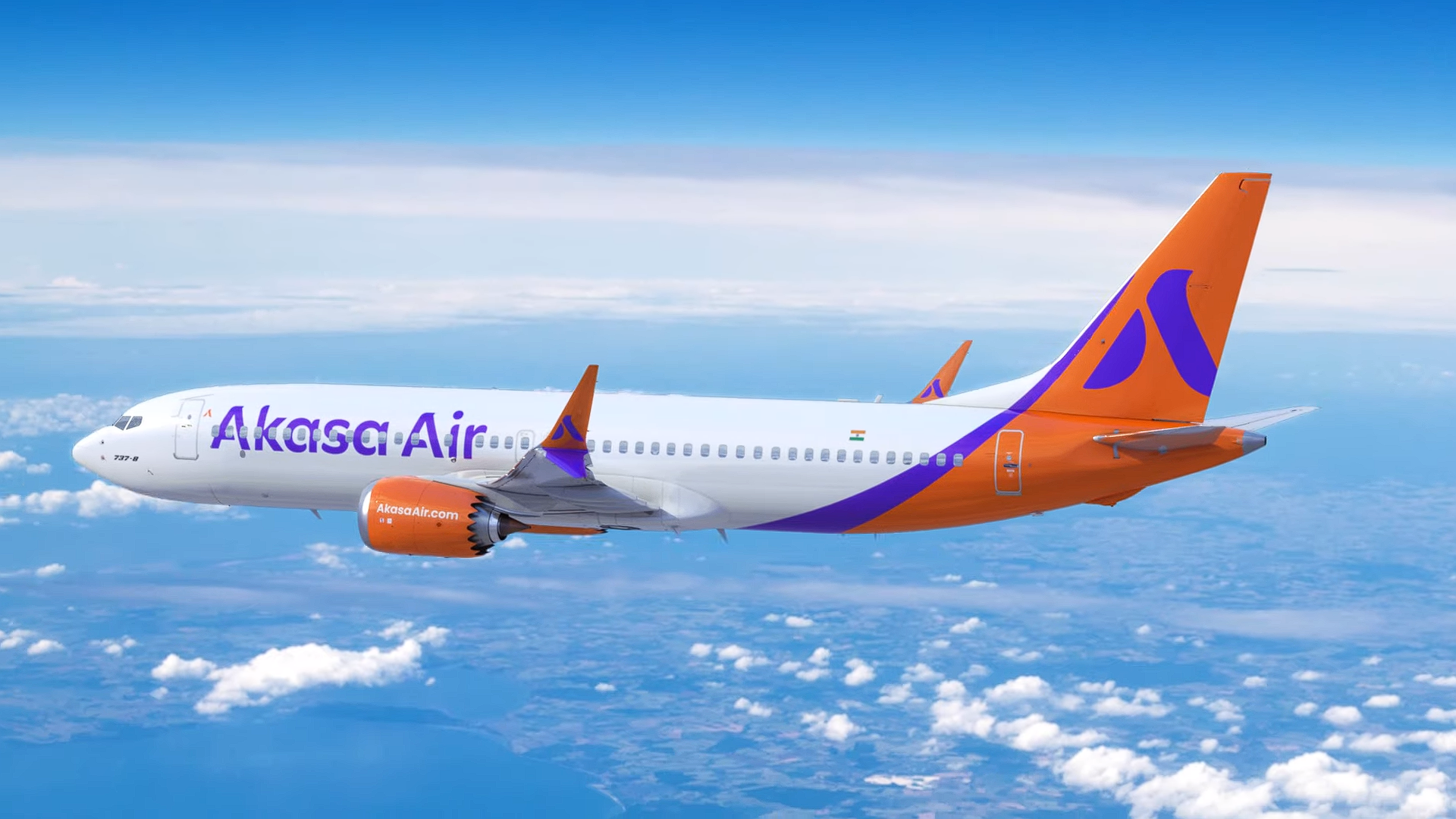
Upon passing their regulatory examinations, candidates advance to hands-on Commercial Pilot License (CPL) flight training at partner facilities in Bhavnagar and Jalgaon. The final phase shifts focus entirely onto commercial jet operations, providing advanced full-flight simulator training tailored specifically to Akasa Air's centralized fleet of Boeing 737 MAX aircraft.
Industry Demand Dynamics and Macroeconomic Impacts
The structural introduction of the Akasa SkyCadet initiative directly addresses the widening workforce chasm visible across South Asian aviation corridors. Driven by unprecedented fleet growth and expanding middle-class passenger volumes, domestic carriers collectively hold order books totaling approximately 1,700 aircraft.
Long-term market projections indicate that India's active commercial aircraft fleet will nearly triple over the next decade. While the country currently relies on an estimated pool of 12,000 to 15,000 active commercial pilots, independent industry estimates show that India alone will require approximately 35,000 new pilots by 2035 to sustain current carrier growth trajectories. Across the broader South Asian ecosystem, that requirement scales to 45,000 professionals over the next two decades.
Official Sources Section
The underlying parameters, eligibility frameworks, and partnership structures outlined in this report are verified directly through formal data published on the Akasa Air Candidate Portal, official press releases compiled by the Aviation News Bureau, and the operational training syllabi authorized by the Directorate General of Civil Aviation.
Executive Statements
"India’s aviation industry is entering a phase of sustained long-term growth, and building a future-ready workforce will be critical to supporting this expansion responsibly," stated Belson Coutinho, Co-Founder and Chief Operating Officer of Akasa Air, in an official launch briefing.
"The Akasa SkyCadet Programme reflects our commitment to investing in talent from the grassroots level and creating structured pathways for aspiring pilots to build meaningful careers in aviation. Beyond technical capability, the programme is designed to instil a strong culture of safety, operational excellence, discipline, and service orientation."
Why It Matters
For prospective aviators and local citizens, the initiative establishes a direct, institutionalized path into an industry historically characterized by fragmented, self-funded training routes. For institutional investors and business analysts, the program serves as an essential risk-mitigation tool. By securing a proprietary, predictable influx of certified, type-rated cockpit crews, Akasa Air structurally insulates its long-term network scheduling and international expansion routes against aggressive industry poaching and localized labor resource bottlenecks.
Key Facts at a Glance
Strategic Partnerships: The program operates via verified training pacts with Dunes Aviation Academy and Skynex Aero.
Target Fleet: All advanced simulation and type-rating exercises are optimized for the Boeing 737 MAX platform.
Application Deadline: The official portal is actively accepting initial registration packets until June 24, 2026.
Macro Shortage: The initiative seeks to insulate operations against a projected regional deficit of 35,000 pilots by 2035.
Frequently Asked Questions (FAQ)
What are the minimum academic eligibility requirements for the program?
Applicants must have successfully completed their 10+2 examinations with formal coursework in Physics, Mathematics, and English, alongside demonstrated verbal and written English proficiency.
What is the age limit for entering the Akasa SkyCadet training program?
According to the airline's official guidelines, candidates must be a minimum of 18 years old at the time of application and a maximum of 40 years old at the point of program enrollment.
Where will the actual flight training take place?
Practical flight training operations are conducted via approved Flight Training Organisations located at specialized academy airfields in Bhavnagar and Jalgaon.
Will Akasa Air cease direct hiring of external commercial pilot license holders?
No. Airline officials confirmed that while the cadet program focuses on fortifying the long-term, organic pilot pipeline, the company will simultaneously continue hiring ready CPL holders and pre-rated Boeing 737 pilots to feed immediate capacity scaling.
Source: Akasa Air Corporate, Directorate General of Civil Aviation India.
Featured Image
Description: An exterior profile view of a modern Akasa Air Boeing 737 MAX parked on an airport tarmac, highlighted against a bright afternoon sky.
Caption: Akasa Air Boeing 737 MAX commercial aircraft.