The U.S. military has launched a second consecutive day of self-defense airstrikes against key Iranian military installations following the downing of an American Apache helicopter near the Strait of Hormuz. The escalation has severely fractured a fragile two-month ceasefire, stalling peace talks as both nations trade heavy missile and drone fire across regional lines.
WASHINGTON — United States forces launched a consecutive second wave of military strikes against multiple defense installations inside Iran on Wednesday, executing direct orders from President Donald Trump. The rapid military escalation follows the downing of a U.S. Army Apache helicopter earlier this week near the strategic Strait of Hormuz.
In response to the American operations, the Islamic Republic of Iran deployed retaliatory ballistic missile and drone packages targeting regional military bases hosting U.S. personnel. The sudden outbreak of active hostilities has effectively paralyzed fragile diplomatic peace talks mediated via international channels, while sending immediate shockwaves through global energy markets and supply chains.
Retaliatory Exchanges Threaten Fragile Regional Ceasefire
According to an official statement issued by U.S. Central Command, American forces initiated additional self-defense strikes at 5:15 p.m. ET on Wednesday against a series of Iranian air defense networks, ground control facilities, and coastal radar installations. The multi-wave bombardments concentrated heavily along Iran's southern coast, with explosions reported by local state-vetted media in the port cities of Bandar Abbas, Sirik, and Minab.
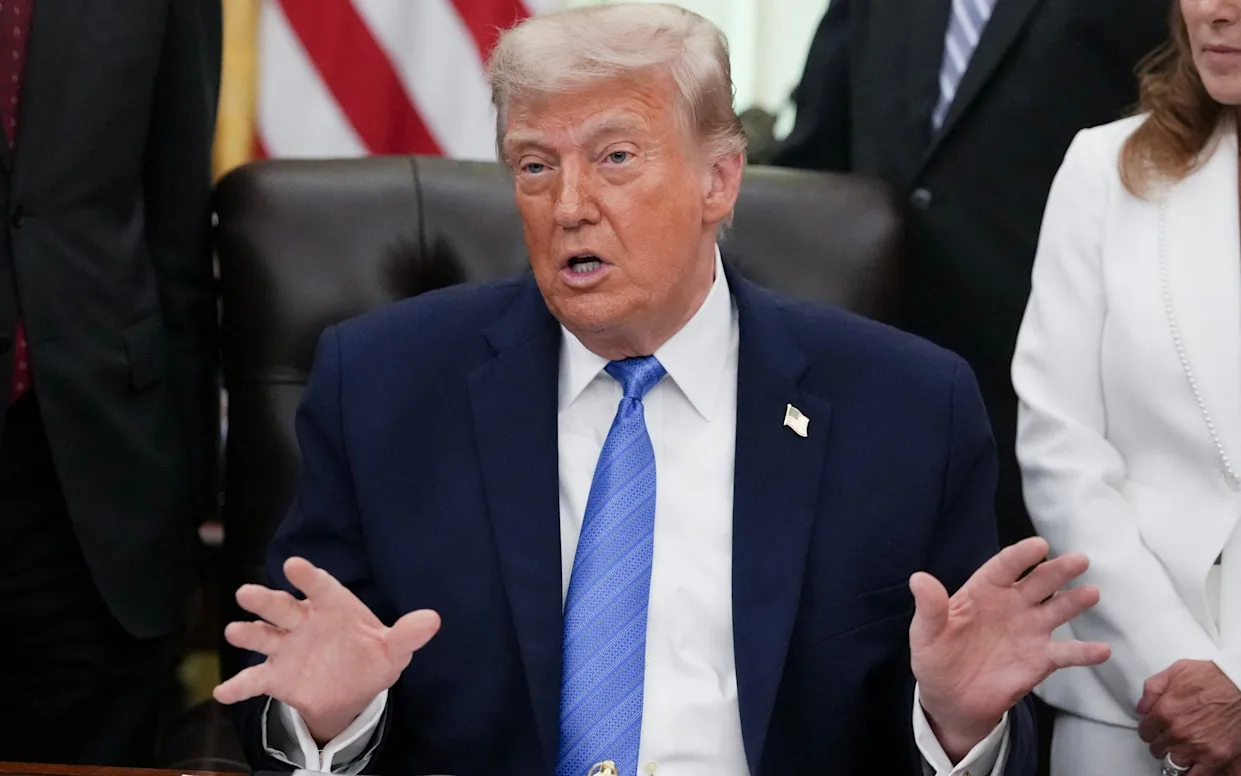
The White House and the Pentagon positioned the offensive as an absolute operational response to the downing of a U.S. Army AH-64 Apache attack helicopter on Monday while it conducted routine patrol missions over the Strait of Hormuz. President Trump explicitly attributed the shootdown to unjustified Iranian aggression, declaring that the United States "must" protect its assets and maintain a decisive posture.
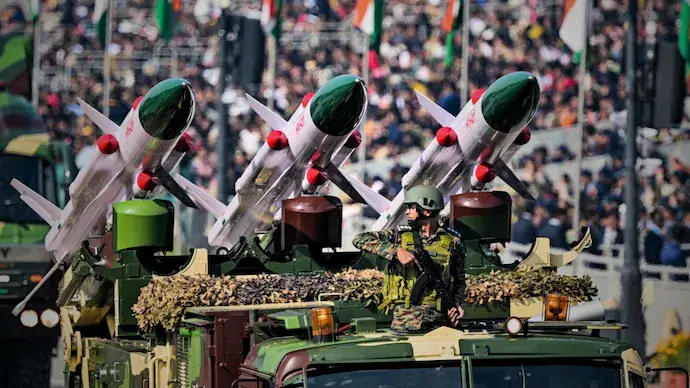
Hours before the second round of American strikes, Iran’s Islamic Revolutionary Guard Corps (IRGC) executed a wide-ranging counter-offensive. The IRGC confirmed it deployed ballistic missiles and one-way explosive drones toward 21 distinct objectives across the Persian Gulf region. Air defense sirens were activated across Bahrain, Kuwait, and Jordan—nations that host U.S. military contingents. Western defense officials noted that regional security grids successfully intercepted the vast majority of incoming projectiles, with Jordan's armed forces reporting the destruction of five missiles within its sovereign airspace. No U.S. casualties or severe asset damage were reported from the Iranian barrage.
Diplomatic Standoff Deepens as Islamabad Framework Halts
The surge in violence has severely fractured a loose, two-month ceasefire originally brokered on April 7 during the Islamabad Talks. Prior to this week's hostilities, President Trump frequently claimed through public statements that a final, comprehensive nuclear and maritime agreement with Tehran was close to completion.
However, underlying programmatic divisions have hard-capped diplomatic progress:
The U.S. Position: The Trump administration demands that Iran completely dismantle and surrender its existing stockpile of highly enriched uranium to eliminate the risk of weapons-grade refinement.
The Iranian Position: Tehran refuses to capitulate on its domestic enrichment programs under direct military coercion. Iranian negotiators demand immediate, legally binding relief from extensive economic blockades alongside the unfreezing of billions of dollars in foreign assets before modifying technical operations.
Following the latest American strikes, Iranian Foreign Ministry spokesperson Esmail Baghaei stated during a televised broadcast that Tehran would fundamentally review its stance on negotiations to end the war, signaling an immediate pause in formal diplomatic engagement. Despite the suspension, regional mediation efforts have not fully dissolved; a diplomatic delegation from Qatar arrived in Tehran late Wednesday afternoon to assess whether a collaborative framework can be salvaged.
Global Economic Impact: Energy Markets React
The return to open warfare has immediately impacted international commodity markets and corporate logistics networks. The price of international benchmark Brent crude oil surged past $93 per barrel on Wednesday afternoon. This spike represents a sharp escalation in the global fuel crisis that has persisted since the broader outbreak of regional hostilities began on February 28.
Economic Choke Point: The ongoing dual blockade of the Persian Gulf directly disrupts the Strait of Hormuz, a maritime corridor responsible for transiting roughly 20 percent of the world’s total petroleum supply.
To bypass the Iranian maritime restrictions, President Trump asserted during a Fox News interview that the U.S. military has been quietly orchestrating specialized operations to escort commercial tankers past the blockade, claiming that over 100 million barrels have successfully navigated the choke point.
Nevertheless, global businesses face steep operational challenges. Commercial shipping lines are encountering sharp increases in maritime insurance premiums. To mitigate risk, major logistics providers are rerouting cargo vessels away from the Middle East to take longer, costlier detours around the African continent. This systemic transport delay is compounding inflationary pressures on everyday consumer goods, electronics, and agricultural inputs worldwide.
Official Sources Section
The material details concerning these military and diplomatic updates have been compiled from formal public disclosures, including:
Operational updates and official commands published by U.S. Central Command.
Strategic press briefings delivered by U.S. Defense Secretary Pete Hegseth at the Pentagon.
Public diplomatic addresses from Iranian Foreign Minister Abbas Araghchi and Foreign Ministry spokesperson Esmail Baghaei via the Islamic Republic News Agency.
Regional air defense tracking data verified by the Jordanian Armed Forces.
Quote Section
"They've taken too long to negotiate a deal that would have been great for them, now they will have to pay the price!!! They are talking too much and acting too little."
— President Donald Trump, via an official Truth Social publication
"CENTCOM will be busy tonight because we are going to hit Iran hard. They are going to have tap-tap-tap bombs dropping on key facilities in Iran from the U.S. — it is not to restart the war but to set the terms for a deal."
— U.S. Defense Secretary Pete Hegseth, addressing reporters at the Pentagon
"Iran has never negotiated under threats and pressure and will never submit to pressure. Our powerful armed forces will leave no attack or threat unanswered."
— Abbas Araghchi, Foreign Minister of Iran, via state media networks
Why It Matters
For global consumers and citizens, the failure to secure a diplomatic resolution means domestic energy costs and automotive fuel prices are likely to remain elevated through the mid-year. For international logistics corporations and manufacturing businesses, the continued volatility around the Persian Gulf necessitates costly supply chain re-routing and higher insurance expenditures. Global financial investors are adjusting portfolios to favor defensive safe-haven assets as the timeline for a definitive peace treaty lengthens.
Key Facts at a Glance
Consecutive Airstrikes: The U.S. military executed a second consecutive day of self-defense strikes against air defense and radar targets inside southern Iran.
Apache Trigger: The operations were ordered by President Trump following the downing of a U.S. Army Apache helicopter over the Strait of Hormuz on Monday.
Iranian Counter-Strikes: Iran’s IRGC retaliated by launching drones and missiles at 21 regional targets across Jordan, Kuwait, and Bahrain; most were successfully intercepted.
Talks Suspended: Iran has halted active participation in peace negotiations, stating it will not negotiate under active military threats.
Oil Prices Surge: International Brent crude oil prices eclipsed $93 per barrel due to heightened security anxieties surrounding critical global energy shipping lanes.
FAQ Section
What caused the United States to resume airstrikes against Iran?
The United States initiated targeted strikes in response to the shooting down of a U.S. Army AH-64 Apache attack helicopter on June 8 while it was conducting a patrol mission over the Strait of Hormuz.
Where did the American military strikes take place?
According to U.S. Central Command and Iranian state media, the precision strikes targeted military infrastructure, radar networks, and air defense control centers along Iran’s southern coast, specifically near Bandar Abbas, Qeshm Island, Sirik, and Minab.
How has Iran responded to the latest round of U.S. strikes?
Iran’s Revolutionary Guards launched a significant counter-attack using missiles and explosive drones against 21 targets, including regional airbases hosting U.S. troops in Bahrain, Kuwait, and Jordan. Regional air defense systems intercepted the majority of the incoming projectiles.
What are the primary sticking points blocking a peace agreement?
The United States insists that Iran entirely relinquish its current stockpile of highly enriched uranium. Iran refuses to surrender its enrichment material under military pressure, demanding immediate relief from economic blockades and the release of frozen foreign assets before finalizing a treaty.
How is the escalating conflict impacting the global economy?
The military activity has disrupted commercial maritime shipping through the Strait of Hormuz, driving Brent crude oil prices past $93 a barrel. This has led to higher fuel costs for consumers and forced international shipping firms to utilize longer, more expensive shipping routes around Africa.
Source: U.S. Central Command Official Portal, U.S. Department of Defense Press Office, Islamic Republic News Agency Archive.