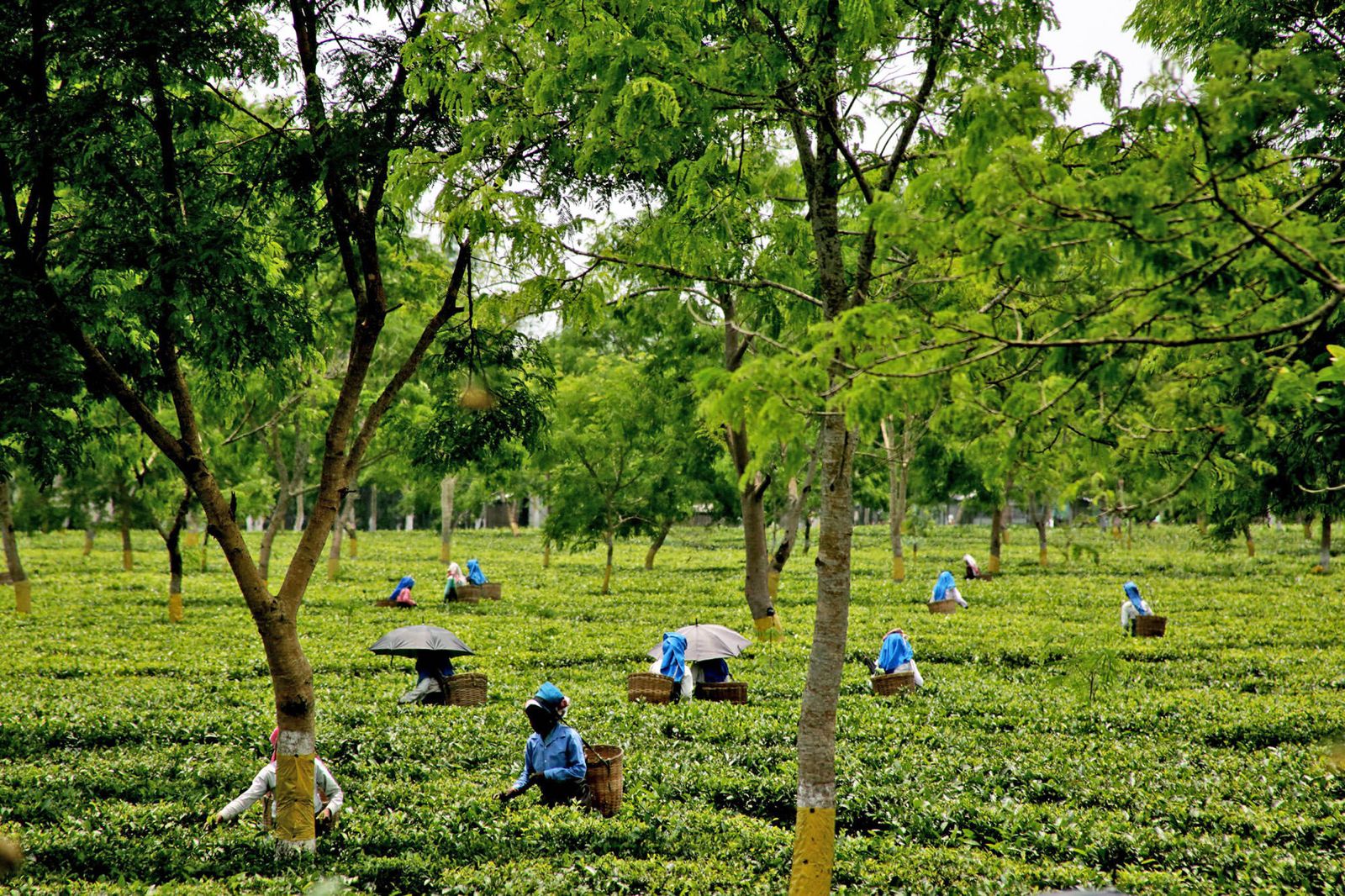
Assam has integrated small tea plantation land into its official farmers' registry, enabling thousands of independent growers to access government subsidies, credit, and technical support. This reform aims to formalize the tea sector, improve production standards, and ensure the long-term economic sustainability of the state's small-scale tea-growing community.
GUWAHATI — The Government of Assam has officially integrated small tea plantation land into the state’s farmers' registry, a strategic move designed to bridge the gap between informal cultivation and the formal agricultural economy. This administrative reform allows thousands of independent tea growers—those owning up to 10.12 hectares—to access institutional credit, government-backed subsidies, and specialized development schemes previously out of reach for unorganized farmers.
For years, the small tea grower (STG) segment has accounted for nearly half of Assam's total tea production but often operated outside the formal land documentation systems. By including these plots in the farmers' registry, the state aims to empower growers, improve production quality, and stabilize livelihoods in the Brahmaputra Valley.
Expanding Access to Welfare and Credit
The inclusion of tea land in the official registry acts as a gateway to critical state and central government support. According to government guidelines, registered small tea growers can now leverage their formal land documentation as collateral for institutional loans. Furthermore, this status enables eligibility for various incentives under the Tea Board of India's development programs, including:
Mechanization Grants: Subsidies for purchasing pruning machines, mechanical harvesters, and power sprayers.
Capacity Building: Access to workshops, training on Good Agricultural Practices (GAP), and technical guidance from institutions like the Assam Agricultural University.
Infrastructure Support: Eligibility for assistance in setting up mini-tea factories and processing units for value addition.
Certification Programs: Support for organic certification and climate-resilient farming techniques.
Modernizing the Agricultural Ecosystem
This integration is part of a broader "Agri Stack" modernization drive led by the state government, which aims to digitize agricultural services and simplify procurement processes. Chief Minister Himanta Biswa Sarma has emphasized that while the transition toward a technology-driven agricultural ecosystem is essential, special provisions are in place to ensure that tea growers and those in remote areas are not excluded.
The registry also facilitates better traceability of green tea leaves. For the broader market, this move ensures that independent farms can meet the quality and sustainability standards required by modern supply chains, thereby helping growers move up the value chain.
Why It Matters
For the individual smallholder, this reform transforms their land from an unrecorded asset into a recognized commercial unit. By moving away from an informal, agent-dependent system to a registered status, farmers can directly access subsidies, which significantly reduces the cost of production. On a systemic level, it strengthens the small tea sector—which now contributes nearly 50% of Assam's total tea output—and ensures a more sustainable and equitable future for thousands of rural households.
Key Facts at a Glance
Targeted Beneficiaries: Small tea growers (STGs) owning up to 10.12 hectares of tea land.
Registry Advantage: Legal recognition enables access to bank credit, MSP-linked digital services, and government grants.
Support Services: Registered growers gain access to soil testing, organic farming inputs, and specialized machinery.
Digitization Goal: Integration into the state's "Agri Stack" to ensure transparent service delivery and reduced paperwork.
FAQ
What are the primary benefits of this registration for small tea growers?
Registration provides legal status that allows farmers to apply for financial subsidies, institutional bank loans, and technical training programs. It also links them to government digital portals for better price realization.
Is there a minimum land requirement for inclusion in the registry?
The current focus is on small tea growers, generally defined as those owning up to 10.12 hectares of tea area.
How do growers register their land?
Growers can apply through the official Tea Board portal or visit their nearest field office (ZO/RO/SRO) to establish land ownership. For those without formal title deeds, the state provides mechanisms to use possession certificates.
Source: Directorate of Tea, Government of Assam, Tea Board of India, Agri Stack Portal Information