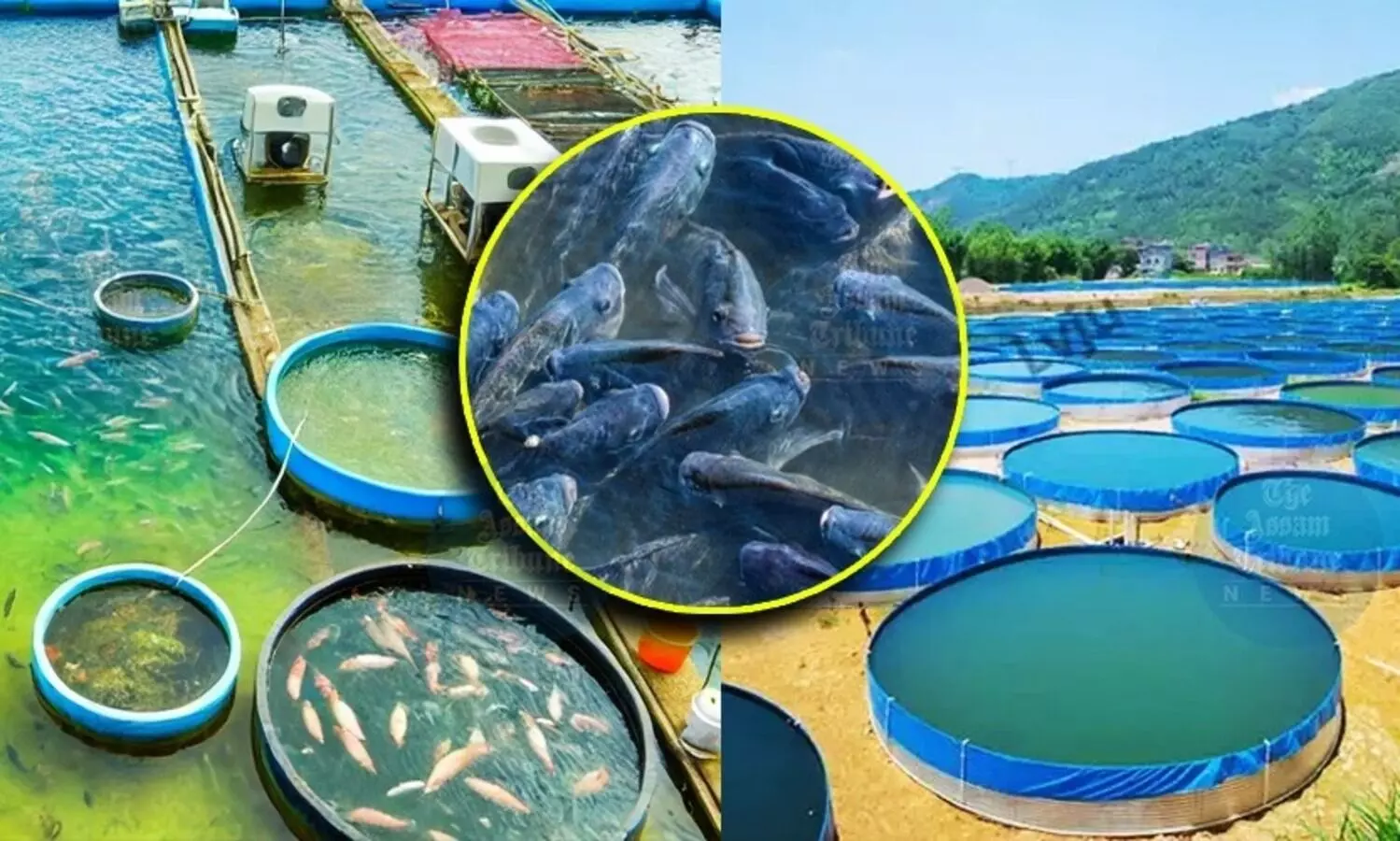
The Assam government has launched Project S.W.I.F.T., a Rs 796.88-crore ADB-supported initiative to revive 71 wetlands across 23 districts. The scheme targets producing 6,000 metric tonnes of fish annually, provides livelihood grants and gear to local fishing communities, and establishes 130 processing and feed units for Self-Help Groups.
GUWAHATI — The Assam government has launched a 796.88-crore rupee ($95.6 million) ecological and economic intervention named Project S.W.I.F.T. (Sustainable Wetland and Integrated Fisheries Transformation) to rejuvenate 71 traditional waterbodies (beels) across 23 districts. Backed by the Asian Development Bank (ADB), the initiative covers approximately 4,000 hectares of aquatic wetlands designed to significantly increase domestic fish production, restore degrading river-connectivity channels, and generate sustainable livelihoods for indigenous fishing communities. The formal rollout of the project is vital as Assam seeks to bridge its fish demand-supply gap, reduce reliance on interstate seafood imports, and fortify rural wetland ecosystems against chronic climate vulnerabilities.
Wetland Rejuvenation and Fish Production Targets
Under Project S.W.I.F.T., state environmental and fisheries departments will execute desiltation, restore natural inlet and outlet feeder channels, and introduce climate-resilient water management protocols across 71 degraded beels. The primary objective is to turn unmanaged wetlands into productive ecological zones while safeguarding aquatic biodiversity.
According to statutory targets established by the Assam Fisheries Department, the project is structured to achieve substantial output milestones:
Annual Fish Production: Target yield of 6,000 metric tonnes of fish annually from restored waterbodies.
Fish Seed Generation: Projected production of 570 million quality fish fry per year through upgraded hatcheries and rearing nurseries.
Ecosystem Restoration: Ecological cleansing and flow restoration spanning nearly 4,000 hectares of freshwater wetland habitats.
The integration of advanced aquaculture techniques will allow fishing cooperatives to optimize seasonal fish harvesting without damaging indigenous fish breeding grounds.
Sustainable Livelihoods and Direct Financial Support
Beyond ecological restoration, Project S.W.I.F.T. places direct emphasis on socio-economic empowerment across vulnerable riverine populations. The Assam government has embedded a multi-tier financial support model to expand self-employment among traditional fishermen and rural youth:
Asset Distribution: 302 fishing boats and high-grade nets are being distributed directly to registered local fishermen.
Youth Entrepreneurship Grants: A total of 1,000 young rural entrepreneurs will receive individual direct grants of 50,000 rupees to establish fisheries-linked microenterprises.
Value-Chain Infrastructure: Establishment of 30 specialized fish feed manufacturing units and 100 fish processing centers managed directly by women-led Self-Help Groups (SHGs).
These localized processing units will enable fishing communities to transition from primary catch sales to commercial value-added products like dried fish, processed fillets, and specialized local aquafeed, securing alternate revenue streams during mandatory seasonal fishing-ban periods.
Impact on Citizens, Consumers, and Rural Economy
The multi-district initiative delivers strategic benefits across consumer markets, local industries, and rural households:
Consumer Supply & Price Stability: Enhanced local yields will help lower reliance on iced fish transported from Andhra Pradesh and West Bengal, improving access to fresh, hygienic freshwater fish at stable retail prices.
Rural Income Generation: Direct enterprise grants and community-managed processing units provide resilient employment opportunities for thousands of riverine families.
Flood Retention and Climate Adaptation: Restoring natural catchment capacities across 71 beels assists downstream flood moderation during monsoon spates, protecting adjacent agricultural farmlands from heavy waterlogging.
Official Sources Section
This report is compiled using official policy announcements, scheme project reports, and financial framework documents published by:
Quote Section
"Assam's beels are inseparable from the identity and livelihoods of our people. Through Project S.W.I.F.T., backed by Rs 796.88 crore with ADB assistance, we are rejuvenating 71 water bodies to elevate fish yields, empower our fishing communities, and establish sustainable rural value chains," according to official statements issued by Assam Chief Minister Himanta Biswa Sarma.
Why It Matters
Reviving Assam’s wetlands through structured multilateral funding balances natural water conservation with rural industrialization. By shifting fishing communities from subsistence catch to organized enterprise ownership, the state addresses rural poverty, protects vital wetland biospheres, and advances self-reliance in regional protein production.
Key Facts at a Glance
Project Name & Outlay: Project S.W.I.F.T. (Rs 796.88 crore) supported by the Asian Development Bank.
Scope: Rejuvenation of 71 beels (wetlands) across 23 districts covering 4,000 hectares.
Production Targets: 6,000 metric tonnes of fish and 570 million fish fry annually.
Livelihood Assistance: 302 boats and nets distributed; Rs 50,000 grants for 1,000 youth; 130 feed and processing units for SHGs.
Frequently Asked Questions (FAQ)
What is Project S.W.I.F.T. in Assam?
Project S.W.I.F.T. (Sustainable Wetland and Integrated Fisheries Transformation) is an ADB-backed Rs 796.88-crore state initiative to restore 71 wetlands and develop sustainable community fisheries.
How many waterbodies are included in the rejuvenation drive?
The project covers 71 traditional beels spread across 23 districts in Assam, encompassing approximately 4,000 hectares of aquatic area.
What support are local fishermen and youth receiving?
Beneficiaries are receiving 302 boats and fishing nets, individual business grants of Rs 50,000 for 1,000 youths, and ownership of 130 community-run fish feed and processing units.
Source: