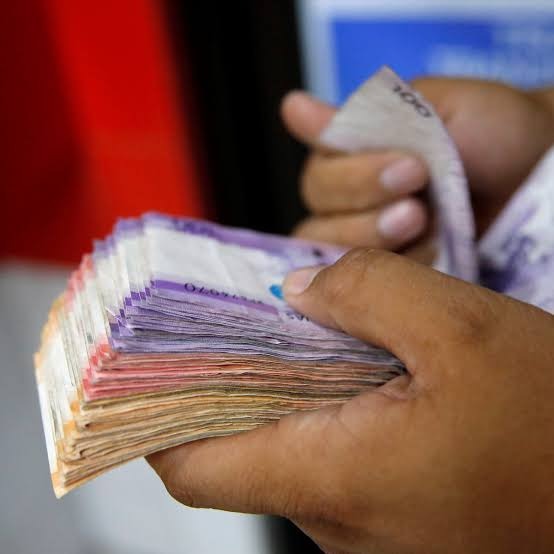
Bearish sentiment for the Indian rupee and Indonesian rupiah has eased as lower oil prices and central bank actions stabilize these currencies. The latest Reuters poll indicates a retreat from multi-month short-position highs, though the South Korean won now leads as the region's least-favoured currency amid persistent global economic uncertainty.
Bearish sentiment toward two of Asia’s most scrutinized currencies has softened, according to a recent Reuters poll released on Thursday, June 25, 2026. Data shows that short positions on the Indian rupee and the Indonesian rupiah have retreated from their recent multi-month peaks, providing a rare reprieve for regional markets currently grappling with a volatile global economic landscape.
The shift in market positioning comes as global crude oil prices begin to stabilize, easing the burden on the import-heavy economies of India and Indonesia. The fortnightly survey, which incorporates the views of 10 economists, analysts, and traders, highlights that while broad market sentiment toward Asian currencies remains cautious, the intensity of bearish pressure has noticeably declined for these two specific units.
Rupee and Rupiah Find Support
Short bets on the Indian rupee have dropped to their lowest levels in 11 months. Analysts attribute this improvement to proactive measures by the Reserve Bank of India (RBI) aimed at defending the currency and encouraging capital inflows. By curbing volatility and signaling a commitment to stability, the central bank has succeeded in tempering the aggressive selling that characterized the rupee's performance earlier this year.
Similarly, negative sentiment toward the Indonesian rupiah has eased to its lowest point since mid-April. Despite remaining in bearish territory, the rupiah has found support following a series of aggressive monetary policy actions. The central bank implemented 100 basis points of rate hikes within a single month, a move designed to improve the currency's carry profile and mitigate the risk of capital flight.
Regional Sentiment Remains Mixed
While the rupee and rupiah have seen a recovery in investor sentiment, the broader Asian currency landscape remains strained. The latest Reuters poll indicates that bears remain entrenched on units like the South Korean won and the Thai baht.
Furthermore, the South Korean won has overtaken the Indonesian rupiah as the least-favoured Asian currency among those surveyed. Meanwhile, participants turned slightly bearish on the Singapore dollar for the first time in seven months. The Malaysian ringgit also faced renewed pressure, with short bets jumping to a 16-month high, driven by concerns over higher U.S. interest rates and domestic political uncertainties.
Why It Matters
For global investors and businesses, these shifts reflect a market that is highly sensitive to external shocks, particularly energy costs and interest rate differentials. The stabilization of the rupee and rupiah provides a measure of predictability for multinational corporations operating in these regions, as it reduces the immediate risk of extreme currency devaluation impacting profit margins and capital expenditure plans.
"According to officials," the stabilization of these currencies is largely contingent on whether central banks can maintain a balance between defending their exchange rates and fostering economic growth amid global headwinds.
Key Facts at a Glance
Rupee Rally: Short bets on the Indian rupee are at their lowest level in 11 months.
Rupiah Recovery: Bearish views on the Indonesian rupiah have retreated to mid-April lows.
Market Pressure: The South Korean won has emerged as the least-favoured currency in the region.
Catalysts: Normalizing global oil prices and decisive central bank interventions are cited as primary drivers for the recent stabilization.
FAQ
Why were short bets on the rupee and rupiah high?
High oil prices, inflation concerns, and aggressive interest rate hikes in advanced economies had previously pressured these emerging market currencies, leading investors to take short positions.
What has changed to ease this sentiment?
A cooling in global oil prices has reduced the trade deficit concerns for India and Indonesia. Additionally, central bank interventions have helped stabilize exchange rates and restore investor confidence.
What are the remaining risks for these currencies?
Investors remain wary of domestic political risks, fiscal discipline concerns, and the ongoing potential for higher U.S. interest rates to strengthen the greenback.
Source: Reuters, Investing.com