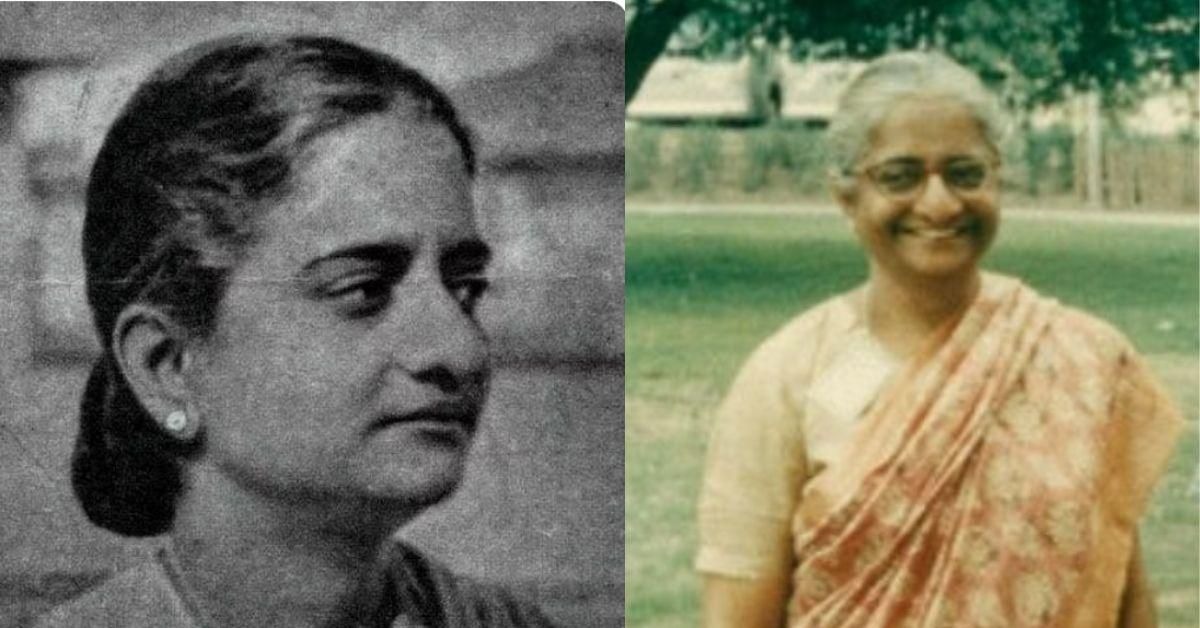
Ayyalasomayajula Lalitha overcame personal tragedy as a young widow to graduate as India's first female electrical engineer in 1943. Her pioneering career at Associated Electrical Industries and her contributions to major infrastructure projects established an enduring legacy of resilience and female leadership in STEM.
Defying societal norms of the 20th century, Ayyalasomayajula Lalitha rose above personal tragedy to become India's pioneering female engineer.
CHENNAI — In an era defined by rigid social structures, Ayyalasomayajula Lalitha etched her name into history by graduating in 1943 from the College of Engineering, Guindy (CEG) as India's first female electrical engineer. Born in August 1919 in Madras (now Chennai), Lalitha's journey was marked by profound resilience. Married off at the young age of 15, she gave birth to her daughter Syamala, only to be widowed four months later at just 18 years old. Against the backdrop of pre-independence India, where young widows faced severe social restrictions, Lalitha chose a path of relentless academic and professional pursuit, ultimately transforming the landscape of STEM for generations of women.
Overcoming Adversity to Pursue Engineering
Following the passing of her husband, Lalitha received vital encouragement from her father, Pappu Subba Rao, a professor at the College of Engineering, Guindy (CEG). With his backing, she resumed her education, completing her schooling and securing admission into CEG, which was an entirely male-dominated institution at the time.
According to historical archives compiled by biographical researchers and historical profiles on Infinite Women, college authorities and fellow students welcomed her presence, arranging a separate hostel and fostering a supportive environment. Alongside peers who joined shortly after, Lalitha successfully navigated rigorous technical coursework and completed a mandatory one-year apprenticeship at the Jamalpur Railway Workshop before earning her electrical engineering degree in 1943.
Pioneering Professional Legacy and Infrastructure Impact
Lalitha's professional career broke new ground across the public and private sectors. She initially served as an assistant engineer at the Central Standards Organization in Shimla before joining Associated Electrical Industries (AEI) as a design engineer.
At AEI, she specialized in power transmission equipment, substation layouts, and protective gear design. Her engineering portfolio notably included vital contributions to major national infrastructure undertakings, such as the design work associated with the Bhakra Nangal Dam project. Later in her career, she attained full membership in the Council of the Institution of Electrical Engineers (IEE), London, and represented India at international conferences advocating for women in science and engineering.
Official Sources Section
Historical data, institutional background, and biographical documentation regarding Ayyalasomayajula Lalitha are referenced from historical repositories, academic profiles on Wikipedia, biographical accounts published by Infinite Women, and documentation featured in the Autodesk Fusion Blog.
"Organizers stated that recognizing trailblazing historical figures like A. Lalitha is crucial for inspiring modern inclusivity, honoring early pioneers, and highlighting the foundational role of women in national infrastructure development."
Why It Matters
Ayyalasomayajula Lalitha's legacy serves as an enduring pillar of inspiration for modern citizens, students, and professionals pursuing careers in science, technology, engineering, and mathematics (STEM). By shattering glass ceilings in a strictly male-dominated domain during the mid-20th century, her life story demonstrates the transformative power of education, family support, and institutional adaptability in overcoming systemic barriers.
Key Facts at a Glance
FAQ Section
Who was Ayyalasomayajula Lalitha?
Ayyalasomayajula Lalitha was India's first female electrical engineer, graduating in 1943 and paving the way for women in technical fields.
What challenges did she face early in life?
She was married at 15, gave birth to a daughter, and was widowed at 18, a time when societal expectations for young widows in India were severely restrictive.
Which major institution did she graduate from?
She graduated from the College of Engineering, Guindy (CEG) in Chennai.
Where can I read more about her historical contributions?
Detailed accounts of her life and career can be explored via Wikipedia and the biographical archives on Infinite Women.
Summary:
Source: Wikipedia, Infinite Women, Autodesk Fusion Blog.