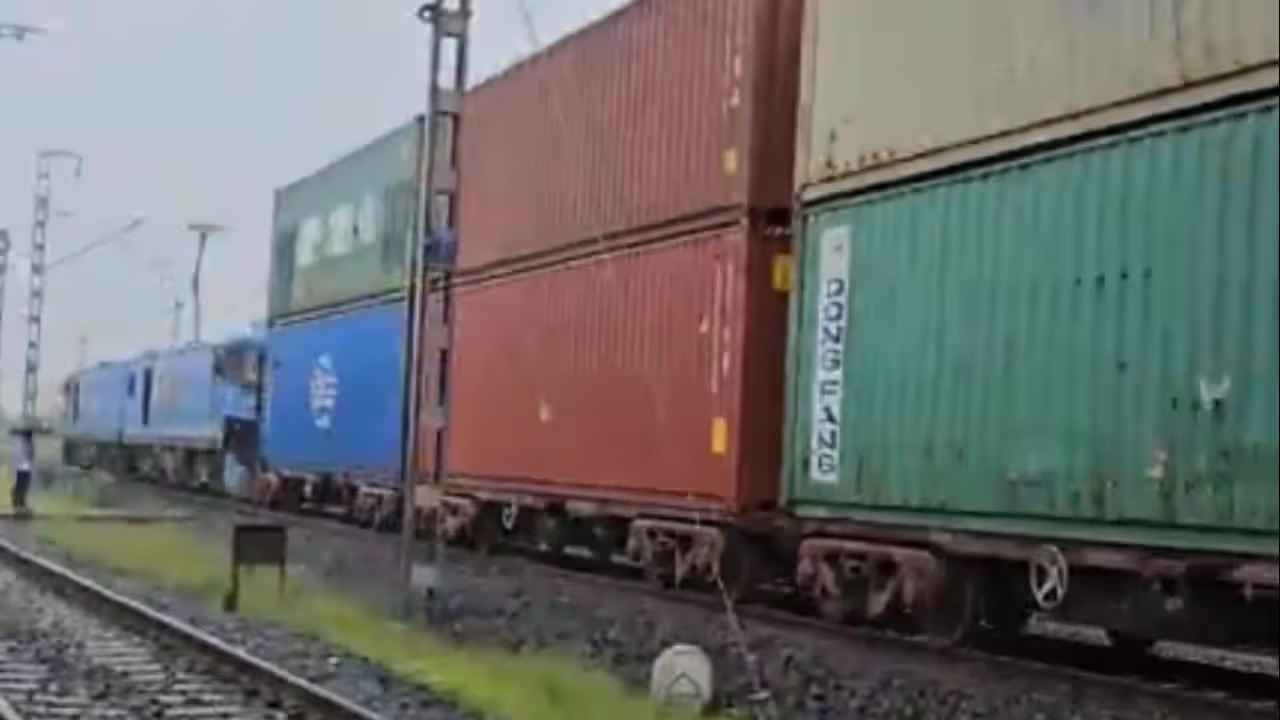
Indian Railways operated its maiden 1.3-km-long double-stack container train carrying 360 TEUs from JNPT Mumbai to Vadodara on the Western Dedicated Freight Corridor. This landmark run enhances freight capacity, accelerates port container evacuation, cuts transit times, and promotes green logistics by reducing reliance on road transport.
Indian Railways successfully operated its first double-stack long-haul container train from Mumbai to Gujarat, marking a major leap in logistics efficiency.
NEW DELHI — In a historic operational milestone for national logistics infrastructure, Indian Railways successfully operated its first-ever double-stack long-haul container train. Departing from the Jawaharlal Nehru Port Trust (JNPT) near Mumbai at 7 p.m. on August 21, 2026, the 1.3-kilometer-long freight formation travelled approximately 422 kilometers along the Western Dedicated Freight Corridor (WDFC) to reach CONCOR’s Goods Cargo Terminal (GCT) at Varnama in the Vadodara division. This major development is set to optimize container evacuation times and elevate freight movement capacity across key industrial corridors.
Expanding Freight Capacity on the Western Corridor
The monumental run integrated two double-stack container rakes coupled together into a single long-haul formation, successfully transporting a total of 360 Twenty-foot Equivalent Units (TEUs) of containerised cargo. According to operational disclosures, the leading rake was hauled by locomotive number 60311 carrying a tonnage of 1,817 tonnes, while the trailing rake was powered by locomotive number 24690 with a tonnage of 2,105 tonnes.
By consolidating shipments into high-capacity long-haul transits, the national transporter aims to maximize route utilization on the dedicated freight corridor, alleviate port congestion, and significantly lower overall transit times for exporters and importers.
Strategic Logistics and Environmental Impact
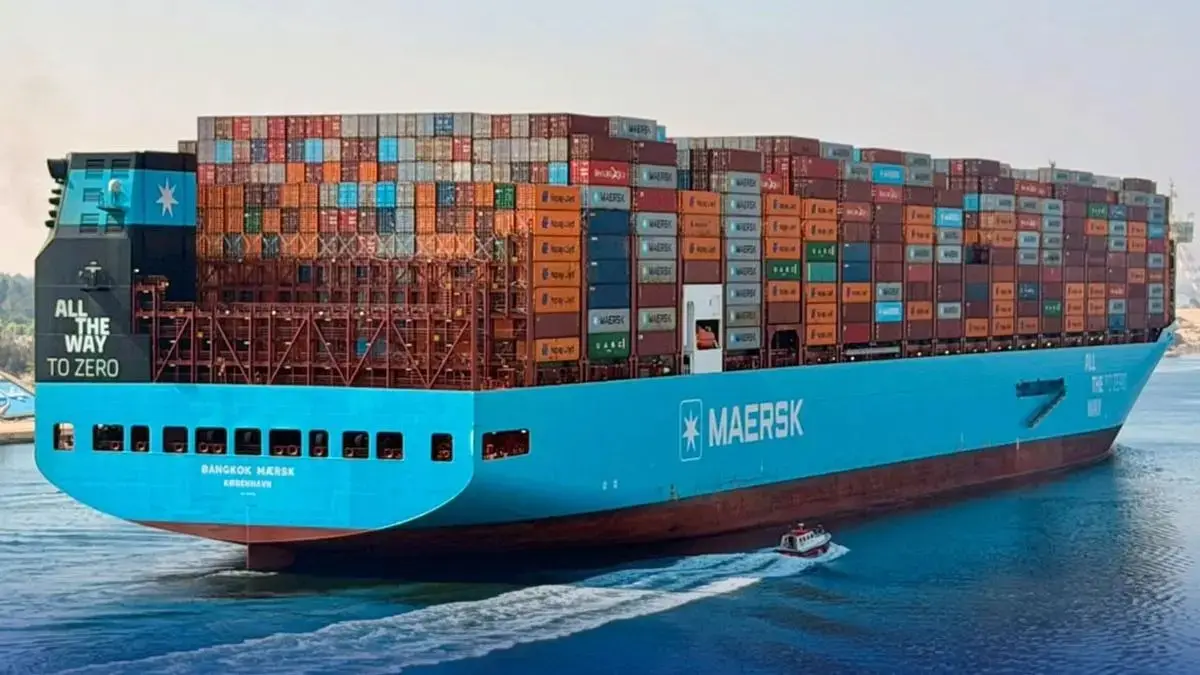
The deployment of electrically hauled long-haul double-stack container trains directly aligns with India's broader sustainability goals. Moving massive volumes of containerised freight in a single rail journey replaces the equivalent cargo load of a large fleet of heavy-duty diesel trucks, thereby curbing highway congestion, cutting fuel consumption, and reducing carbon emissions. Furthermore, the streamlined evacuation process minimizes container dwell times at major gateways like JNPT.
Official Sources Section
Details regarding this operational milestone were outlined in official announcements, updates, and releases from the Ministry of Railways, statements shared by Union Minister Ashwini Vaishnaw, and briefings published by the Press Information Bureau (PIB).
"Organizers stated that the milestone underscores the railways' continued efforts to strengthen freight infrastructure, improve logistics efficiency, and encourage a strategic shift toward rail-based transportation for long-distance containerised cargo."
Why It Matters
For businesses, manufacturers, and logistics operators, the successful integration of double-stack long-haul freight operations translates to minimized supply chain bottlenecks, reduced transportation costs, and faster movement of goods between western ports and inland consumer markets. Consumers and travelers also benefit from reduced heavy commercial vehicle traffic and lower congestion on national highways.
Key Facts at a Glance
Route: From Jawaharlal Nehru Port Trust (JNPT), Mumbai, to Varnama (Vadodara Division) via the Western Dedicated Freight Corridor.
Scale & Capacity: A 1.3-km-long train carrying 360 TEUs (Twenty-foot Equivalent Units) across two coupled rakes.
Distance Covered: Approximately 422 kilometers.
Environmental Impact: Reduces dependency on diesel-powered road freight, lowering emissions and highway congestion.
FAQ Section
What is a double-stack long-haul container train?
It is a high-capacity freight train configuration where containers are stacked two levels high and multiple rakes are coupled together to move massive volumes of cargo in a single movement.
Which route was used for this historic run?
The train operated along the Western Dedicated Freight Corridor (WDFC), running from JNPT near Mumbai to Varnama in Gujarat's Vadodara division.
How does this development benefit supply chains and businesses?
It speeds up container evacuation from ports, lowers transit times, reduces logistical overhead costs, and enhances supply chain reliability.
Where can official updates regarding Indian Railways freight milestones be found?
Official data, releases, and ministerial communications are regularly updated through the Ministry of Railways and the Press Information Bureau (PIB).
Source: Ministry of Railways, Press Information Bureau (PIB), Hindustan Times.