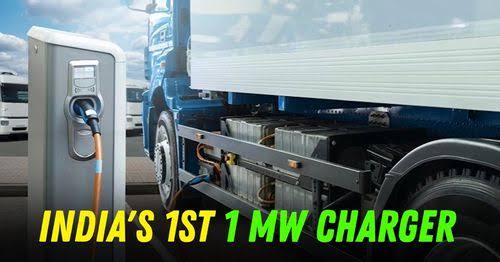
State-owned engineering giant BHEL is set to manufacture India’s first indigenous fast chargers for electric trucks and buses. Part of the ₹10,900 crore PM E-DRIVE scheme, this initiative aims to localize EV infrastructure, reduce dependence on imported technology, and support the large-scale electrification of India's commercial transport sector.
NEW DELHI — In a major push toward self-reliance in the green mobility sector, Bharat Heavy Electricals Limited (BHEL) has announced plans to develop India’s first indigenous fast chargers designed specifically for heavy-duty electric vehicles, including trucks and buses. This initiative aligns with the Indian government's broader "Make in India" objectives to build a robust, localized ecosystem for the rapidly growing electric vehicle (EV) market.
The move places BHEL in direct competition with established domestic players like Servotech and Exicom, as well as global engineering powerhouses such as ABB and Delta Electronics, which currently dominate the high-capacity charging infrastructure market.
Strengthening the EV Ecosystem
The development of these high-capacity fast chargers is a strategic expansion of BHEL's e-mobility portfolio. Previously, the company has focused on broader infrastructure, including solar-based electric vehicle charging stations (SEVC) and various propulsion systems. By focusing on heavy-duty vehicles, BHEL aims to address the critical infrastructure gap for long-haul electric freight and public transport.
"These would be the first completely indigenous fast chargers to be developed as part of India's efforts to build a local ecosystem," according to industry reports. This shift towards home-grown technology is intended to reduce dependency on imported components, bolster supply chain resilience, and lower costs for commercial EV fleet operators.
Integration with National Infrastructure Goals
BHEL is currently playing a pivotal role in the government's ambitious PM E-DRIVE scheme, which has allocated ₹10,900 crore to accelerate the adoption of electric mobility across India. As part of its responsibilities, the company is spearheading the rollout of 72,300 public EV charging stations across national highways, metro cities, and transit hubs through March 2026.
The introduction of indigenous fast chargers for trucks and buses is expected to complement this nationwide infrastructure deployment. By providing a reliable, locally manufactured solution, BHEL aims to alleviate the "range anxiety" that has historically hindered the adoption of electric heavy-duty vehicles.
Impact on Industry and Consumers
The move holds significant implications for various stakeholders:
Commercial Fleet Operators: Indigenous chargers are expected to offer more cost-effective and readily maintainable solutions compared to imported alternatives.
Investors: BHEL’s diversification into advanced EV charging technology signals a long-term commitment to the e-mobility sector, potentially diversifying its revenue streams beyond traditional power equipment.
The Green Transition: By supporting e-trucks and e-buses, the initiative directly contributes to the decarbonization of heavy logistics and public transportation, a key pillar of India's climate goals.
Official Sources
"According to officials, the indigenous development of EV motors, propulsion systems, and now fast chargers is central to BHEL’s diversification strategy and the government’s mission to foster an inclusive, sustainable transport ecosystem."
Why It Matters
For India to achieve its 30% EV sales target by 2030, the availability of high-power charging for commercial vehicles is essential. Current charging standards often rely on international hardware; BHEL’s localized production is set to standardize technology, ensure better grid integration, and provide a secure, home-grown alternative for the country’s critical transport corridors.
Key Facts at a Glance
Focus: Development of first-of-its-kind indigenous fast chargers for electric trucks and buses.
Strategic Role: Part of the larger ₹10,900 crore PM E-DRIVE scheme.
Scope: Enhancing national e-mobility through domestic manufacturing and R&D.
Market Positioning: Challenging established global and domestic players in the high-capacity charger segment.
Frequently Asked Questions
1. Why is BHEL focusing on electric trucks and buses?
Heavy-duty vehicles like trucks and buses require high-capacity fast charging that is distinct from passenger car chargers; BHEL aims to fill this specific infrastructure void with indigenous technology.
2. How does this support the "Make in India" initiative?
By designing and manufacturing these chargers locally, BHEL reduces the need for expensive imports and fosters local technological expertise in power electronics.
3. Will these chargers be compatible with existing EVs?
The chargers are expected to adhere to standardized protocols, ensuring interoperability with a wide range of electric trucks and buses entering the Indian market.
Source: Mint, Press Information Bureau (PIB), BHEL Corporate Overview