On February 1, 2025, Finance Minister Nirmala Sitharaman unveiled the Union Budget 2025, a comprehensive plan aimed at steering India towards sustainable growth while addressing immediate economic challenges. This budget is pivotal in shaping the fiscal landscape for the upcoming year, with notab...
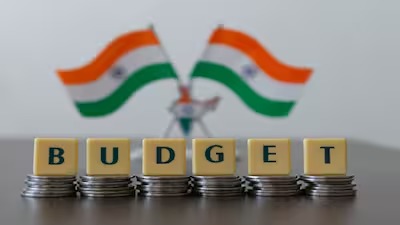
On February 1, 2025, Finance Minister Nirmala Sitharaman unveiled the Union Budget 2025, a comprehensive plan aimed at steering India towards sustainable growth while addressing immediate economic challenges. This budget is pivotal in shaping the fiscal landscape for the upcoming year, with notable changes in taxation, infrastructure investment, and social welfare initiatives.
What’s Costlier?
1. Luxury Goods and Services: The budget introduces increased excise duties on luxury items, including high-end vehicles and designer apparel. This move aims to generate additional revenue but will likely raise prices for affluent consumers.
2. Fuel Prices: Adjustments to fuel duties are anticipated, which may lead to higher petrol and diesel prices. This change is expected to impact transportation costs across various sectors, contributing to inflationary pressures.
What’s Cheaper?
1. Income Tax Reforms: A significant highlight is the increase in the income tax exemption limit from ₹7 lakh to ₹12 lakh, allowing more individuals to retain their earnings without tax deductions. The new tax slabs aim to ease the financial burden on the middle class, with senior citizens benefiting from a doubled tax deduction limit of ₹1 lakh.
2. Precious Metals: Customs duties on gold and silver have been reduced from 12.5% to 10%, making these metals more affordable for consumers and encouraging domestic purchases.
3. Healthcare Accessibility: The budget exempts 36 life-saving drugs and medicines from basic customs duties, enhancing access to essential treatments for patients across the nation.
Strategic Investments
The budget underscores a commitment to infrastructure development with a substantial allocation of ₹1 lakh crore for urban projects aimed at improving connectivity and sanitation. Additionally, initiatives like the Prime Minister Dhan-Dhaanya Krishi Yojana will support approximately 1.7 crore farmers by enhancing agricultural productivity in underperforming districts.
Focus Areas
• Digital Economy: Investments in technology and innovation are prioritized to bolster India's digital landscape.
• Social Welfare Programs: Continued support for marginalized communities through various schemes reflects the government's commitment to inclusive growth.
• MSMEs Support: Enhanced credit availability and revised classification criteria aim to empower micro, small, and medium enterprises, crucial for job creation.
Conclusion
Overall, Budget 2025 presents a balanced approach to economic recovery, focusing on growth while ensuring that the benefits reach all segments of society. As India aims for a developed status by 2047 under the 'Viksit Bharat' initiative, this budget sets a roadmap that combines fiscal prudence with strategic investments across key sectors,
Source: Groww, Upstox, Economic Times.