A leading dermatologist has validated three traditional Indian home remedies—ranging from glycerine and rosewater to curd and a besan-honey blend—proving that these kitchen staples offer genuine scientific benefits for skin health. Experts explain how lactic acid, natural humectants, and gentle exfoliants effectively nourish and hydrate without disrupting the skin's natural balance. Kitchen Chemistry:
Medical science confirms that everyday pantry staples like curd and gram flour offer genuine, research-backed benefits for skin hydration and gentle exfoliation.
While generations of households have relied on traditional ghar ke nuskhes for personal care, many traditional practices are frequently dismissed as folklore lacking scientific backing. However, addressing this misconception, a prominent dermatologist has broken down three popular home remedies that possess genuine, research-backed efficacy. According to expert insights published by NDTV on August 3, 2026, everyday kitchen staples such as curd, gram flour (besan), and glycerine provide measurable chemical benefits for maintaining skin barrier health and moisture balance.
Scientific Breakdown of Three Traditional Skincare Remedies
Dermatological evaluation confirms that several classic remedies align closely with modern cosmetic science principles. Instead of relying on harsh synthetic acids, these accessible natural ingredients deliver targeted skincare results when prepared and applied correctly.
Key remedies validated by dermatological analysis include:
Glycerine and Pure Rosewater: Glycerine functions as a powerful humectant that attracts and binds water molecules, drawing moisture from the atmosphere and deeper dermal layers to hydrate the outer skin barrier. Paired with pure rose distillate, it effectively soothes dry, irritated skin.
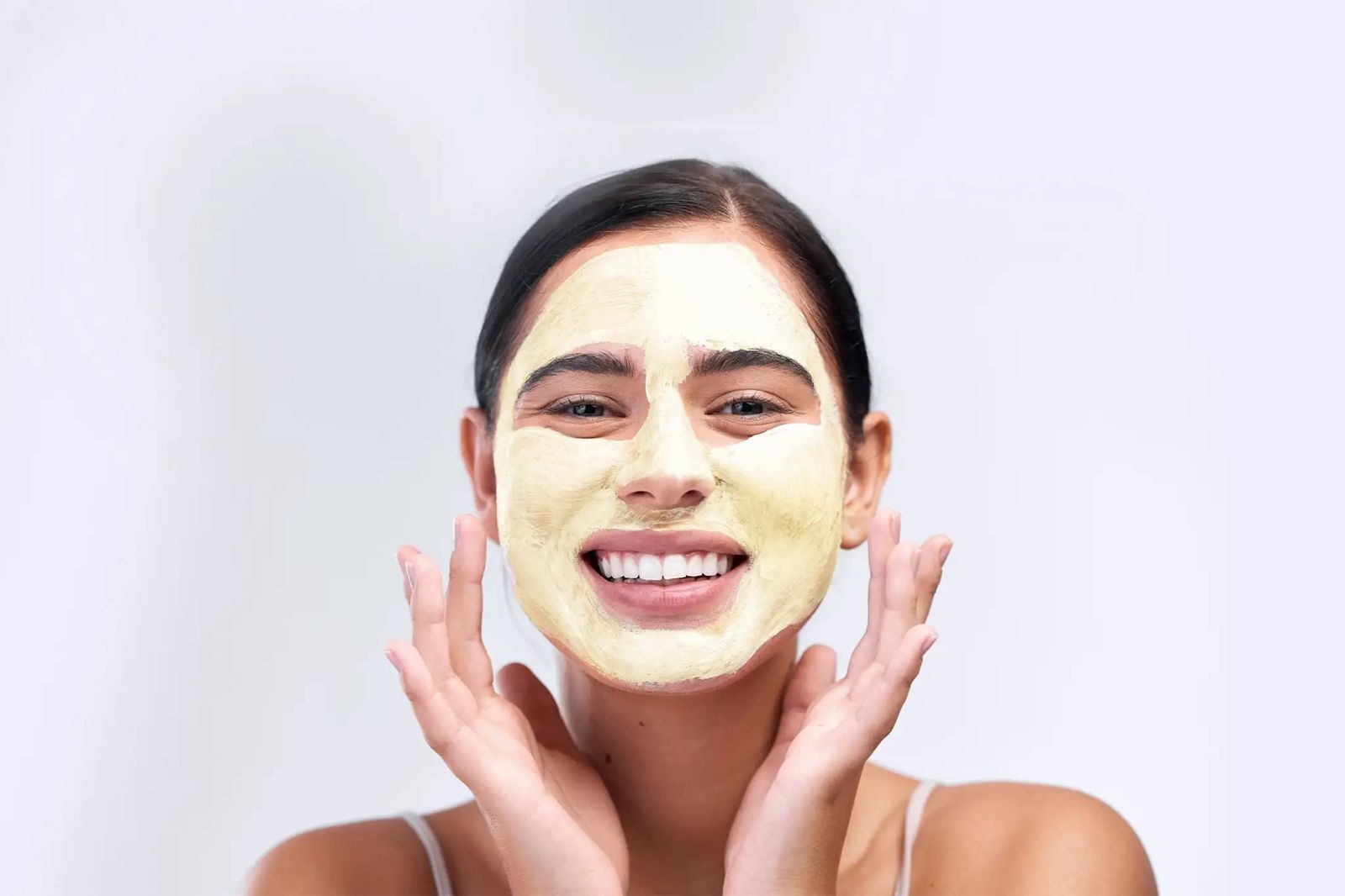
Curd (Yogurt) Applications: Natural curd contains lactic acid, an alpha-hydroxy acid (AHA) that delivers gentle chemical exfoliation. Simultaneously, its natural fats and proteins provide deep hydration while preserving the skin's acidic mantle and natural pH balance.
Besan and Honey Blend: Gram flour (besan) combined with raw honey creates a balanced cleanser and physical exfoliant. This mixture effectively clears surface debris while honey acts as a natural emollient to lock in moisture.
Impact on Consumers and Modern Skincare Routines
For everyday consumers navigating an oversaturated market of expensive chemical serums and active acids, returning to scientifically sound kitchen remedies offers a cost-effective, low-risk alternative. Dermatologists note that understanding the chemical properties of natural ingredients helps individuals avoid accidental skin barrier damage caused by the excessive use of commercial retinols and harsh chemical peels. By incorporating balanced natural routines, citizens can achieve consistent hydration and gentle exfoliation safely at home.
Why It Matters
With commercial skincare trends sometimes leading to chemical burns and barrier irritation, validating safe, traditional remedies empowers consumers with affordable and biologically compatible alternatives. Grounding home care in dermatological science bridges cultural heritage with modern skin health standards.
Key Facts at a Glance
Core Focus: Scientific validation of traditional Indian skincare remedies (ghar ke nuskhes).
Key Ingredient 1: Glycerine and pure rosewater for moisture binding and soothing dry skin.
Key Ingredient 2: Curd for gentle lactic acid exfoliation and pH-balanced hydration.
Key Ingredient 3: Besan and honey blend for balanced cleansing and natural moisturization.
FAQ Section
Why is curd considered effective for natural skin exfoliation?
Curd contains natural lactic acid, which provides gentle chemical exfoliation while its fats and proteins hydrate the skin without disrupting its natural pH balance.
How does glycerine help hydrate dry or dehydrated skin?
Glycerine acts as a humectant that attracts and binds water molecules, pulling moisture from the air and deeper layers of skin to hydrate the outer surface.
Are all traditional home remedies scientifically proven to work?
Not all traditional practices have empirical backing, but specific combinations—such as besan with honey or glycerine with rosewater—align directly with dermatological science.
Where can readers find the complete expert breakdown on these remedies?
Detailed guidelines, expert commentary, and dermatological insights can be accessed via the NDTV Living Healthy Portal.
Source: NDTV Living Healthy