Rather than discarding used tea leaves, households are turning to creative sustainability hacks ranging from garden compost and foot soaks to natural glass cleaners. According to lifestyle and zero-waste reports published in August 2026, leftover leaves retain rich tannins and nutrients, offering practical, cost-effective solutions for cleaning and personal care.
Moving past the morning cup, household sustainability guides highlight how leftover tea leaves provide surprising practical benefits for gardens, cleaning, and personal care.
For millions of households worldwide, the daily routine concludes with spent tea leaves or used tea bags heading straight to the trash bin. However, according to sustainable lifestyle analyses and home care reports published by NDTV Food in August 2026, discarding these botanical remnants overlooks a wealth of residual chemical and organic properties. Packed with natural tannins, nitrogen, and antioxidants, properly strained and dried tea leaves offer remarkable utility for zero-waste living, transforming everyday waste into valuable household assets.
Six Practical Applications for Leftover Tea Leaves
Because unflavored, plain tea leaves retain their structural integrity and chemical compounds after an initial steeping, they can be repurposed across multiple domestic domains. Experts emphasize that only unsweetened, un-milked leaves—free from dairy or sugar residues—should be used for these applications to prevent microbial growth.
Key creative uses for recycled tea leaves include:
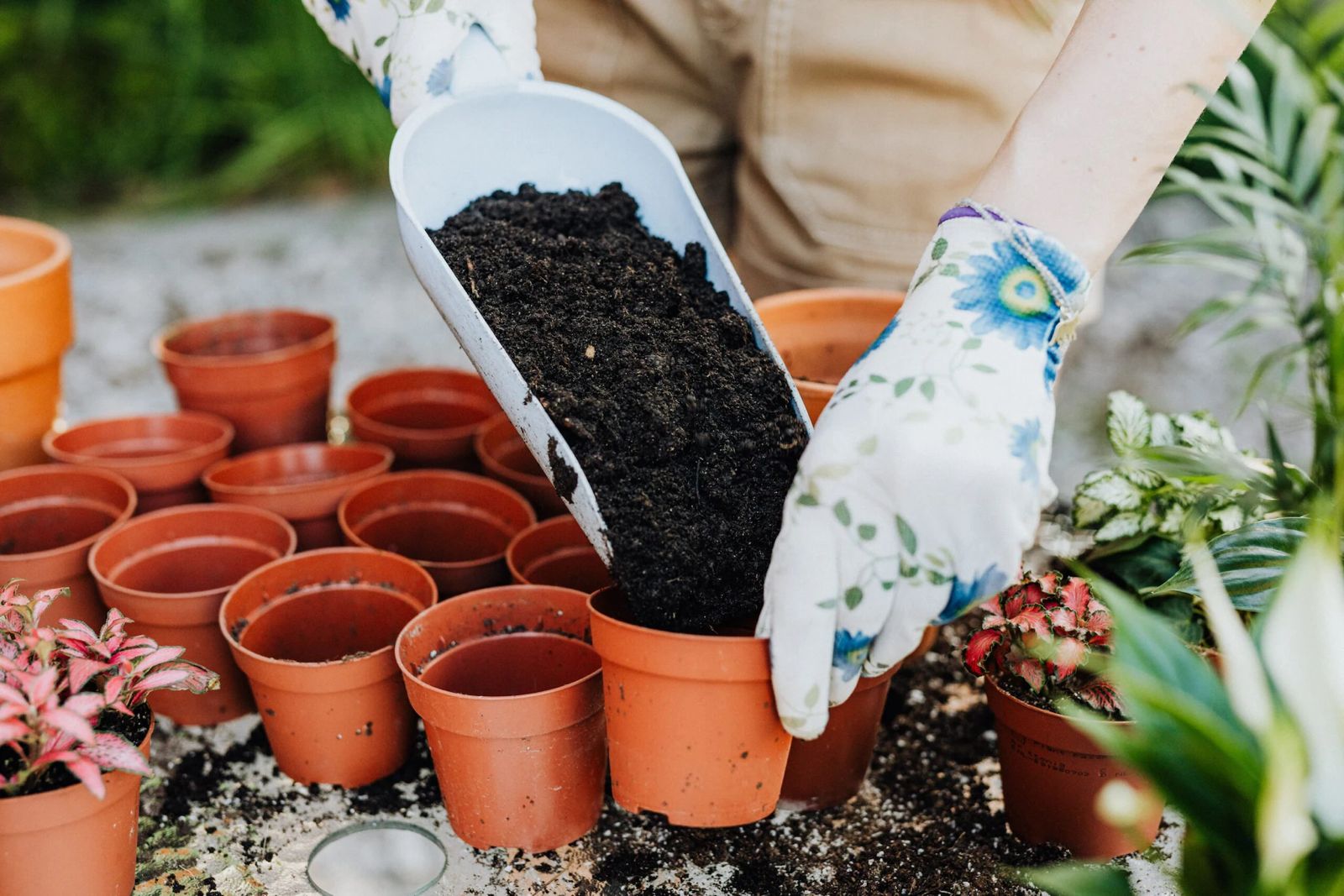
Garden Compost and Soil Enrichment: Tea leaves are naturally rich in nitrogen, which helps improve soil structure, support beneficial bacteria, and accelerate decomposition in home compost bins.
Relaxing Foot Soaks: Re-steeping used black or green tea creates an astringent foot bath that helps soothe tired muscles, reduce foot odor, and eliminate bacteria.
Natural Glass and Mirror Cleaner: The natural tannins found in tea help cut through grease and grime, leaving windows and glass surfaces with a streak-free shine when applied with a microfiber cloth.
Refrigerator and Carpet Deodorizers: Thoroughly dried tea leaves act as natural odor absorbers, neutralizing stubborn food smells in refrigerators or pulling unwanted odors from carpets before vacuuming.
Grease-Cutting Dish Scrubber: Adding damp, used leaves to a greasy pan utilizes tea's natural solvents to lift stubborn residue, reducing the amount of harsh chemical dish soap required.
Gentle Facial Exfoliation: Cooled tea leaves can be mixed with raw honey or yogurt to create an antioxidant-rich DIY facial scrub that gently revitalizes skin.
Impact on Sustainable Living and Household Economics
For eco-conscious consumers and families seeking budget-friendly lifestyle adjustments, adopting zero-waste kitchen habits reduces reliance on commercial chemical cleaners and synthetic air fresheners. By maximizing the life cycle of everyday consumables, households lower their environmental footprint while unlocking alternative uses for items routinely discarded as waste.
Why It Matters
Sustainable living does not always require expensive eco-products; often, it begins with maximizing what is already in the kitchen. Repurposing spent tea leaves cuts down household waste, minimizes chemical exposure, and proves that everyday routines can easily incorporate circular economy habits.
Key Facts at a Glance
Primary Principle: Reusing unflavored, unsweetened leftover tea leaves to eliminate kitchen waste.
Nutritional Value: High nitrogen content benefits garden soil and compost piles.
Cleaning Power: Natural tannins cut through grease and provide streak-free glass cleaning.
Crucial Rule: Leaves must be thoroughly dried and free of milk or sugar before storage or reuse.
FAQ Section
Can I use tea leaves that were brewed with milk and sugar for these hacks?
No. Leaves exposed to dairy or sugar must be discarded because organic residues spoil quickly, attract pests, and foster mold growth.
How should leftover tea leaves be stored if not used immediately?
Rinse the used plain leaves, spread them thinly on a tray or plate, and let them dry completely under sunlight or a fan before storing them in an airtight container.
Do different types of tea yield different cleaning results?
Yes. Black tea contains high levels of tannins, making it ideal for polishing wood and cutting grease, whereas green tea is frequently favored for skincare and soothing compresses.
Where can readers find more detailed zero-waste home management guides?
Comprehensive instructions and sustainable living tips are accessible via NDTV Food and the Full Leaf Tea Sustainability Hub.
Source: NDTV Food, Full Leaf Tea Company, Tea Soul