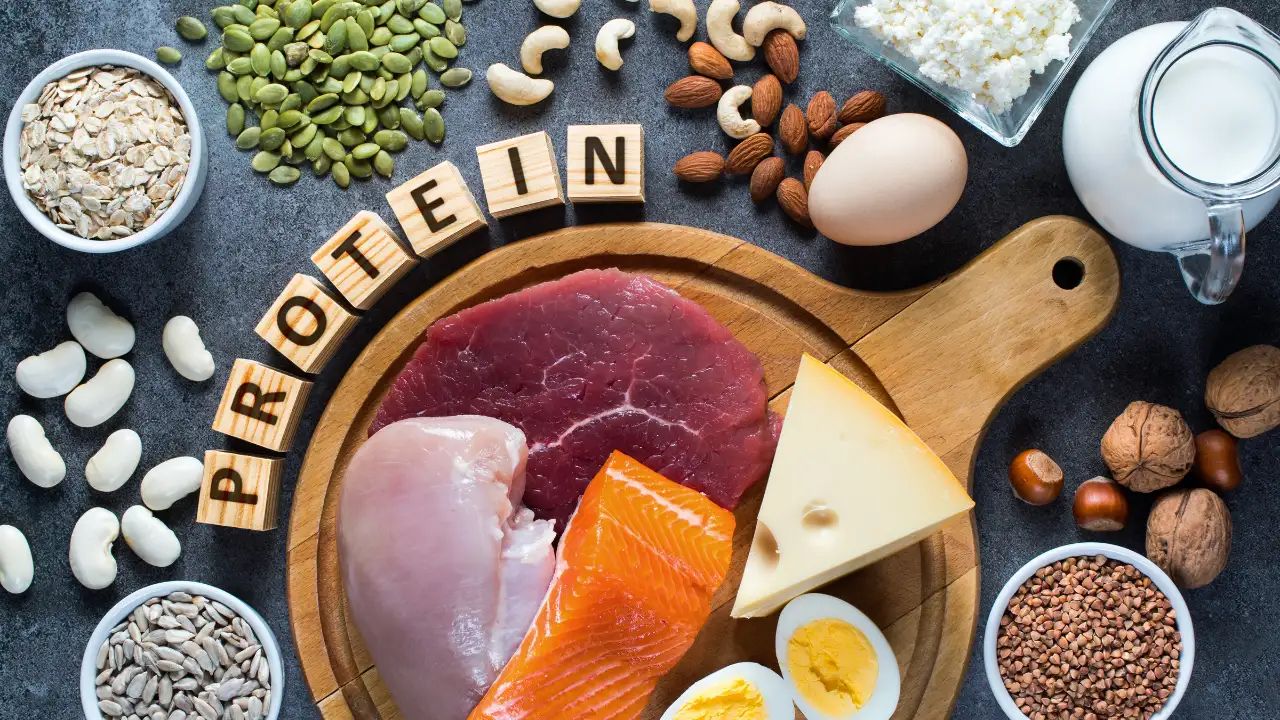
Young Indians are embracing "Quick Nutrition" by prioritizing protein, clean labels, and functional foods over restrictive diets. According to comprehensive market data released at the India Healthy Snacking Summit 2026, 86 percent of consumers now factor protein into snack choices, signaling a massive lifestyle shift toward transparent, wellness-driven food options.
Moving away from restrictive fads, urban consumers embrace clean labels, functional foods, and everyday protein enrichment to redefine national dietary habits.
Abandoning traditional restrictive dieting in favor of functional wellness, young Indian consumers are driving a sweeping dietary transformation centered around "Quick Nutrition." According to comprehensive market data released at the India Healthy Snacking Summit (IHSS) 2026 and backed by the Farmley Healthy Snacking Report 2026, an overwhelming 86 percent of consumers now consider protein an essential criterion when selecting daily snacks. This shift marks a major departure from historical eating patterns, transitioning protein and functional food items from niche athletic supplements into mainstream, everyday household essentials across urban centers.
The Rise of Clean Labels and Ingredient Transparency
Modern Indian buyers are exhibiting deep scrutiny toward food packaging, rejecting flashy marketing claims in favor of radical ingredient transparency. Market analyses indicate that 62 percent of consumers rank clear ingredient information as the primary factor influencing brand trust, overshadowing traditional advertising or celebrity endorsements.
Key drivers shaping this clean-label revolution include:
Rejection of Refined Sugars: Approximately 61 percent of surveyed shoppers actively seek products sweetened with natural alternatives like dates and jaggery rather than artificial additives or refined sugar.
Mainstream Protein Integration: Once confined to bodybuilding culture, protein enrichment has expanded into everyday staples such as roasted makhana (lotus seeds), premium nuts, seeds, nut butters, and functional granolas.
Functional Beverages and Gut Health: Probiotic-infused drinks and zero-sugar carbonated beverages are experiencing rapid adoption among urban demographics seeking digestive wellness alongside convenience.
Quick Commerce Acceleration: Digital delivery platforms such as Blinkit, Zepto, and Instamart serve as the primary distribution channels fueling impulse purchases of healthy, on-the-go snack alternatives.
Economic and Lifestyle Impact on Consumers and Businesses
For food manufacturers, startups, and major Fast-Moving Consumer Goods (FMCG) corporations, this cultural pivot requires a complete overhaul of product development pipelines. Consumers are increasingly willing to pay a premium—with roughly 32 percent stating they spend more for high-protein options—provided the items meet stringent clean-label standards. For everyday citizens and working professionals, these readily accessible nutritional formats offer a sustainable bridge between hectic work schedules and preventive health goals, eliminating the friction previously associated with healthy eating.
Why It Matters
As lifestyle-related health concerns rise across urban populations, preventive healthcare begins with daily dietary choices. The widespread adoption of quick, protein-rich, and clean-label foods demonstrates that modern consumers view nutrition not as a temporary restriction, but as a permanent, value-driven lifestyle upgrade.
Key Facts at a Glance
Core Trend: Shift toward quick nutrition, clean labels, and functional foods.
Protein Priority: 86% of surveyed consumers prioritize protein when selecting snacks.
Premium Willingness: 32% of buyers pay extra for high-protein product formulations.
Transparency Demand: 62% rank clear ingredient lists as the top factor for brand trust.
FAQ Section
Why are young Indians shifting toward clean-label and protein-rich snacks?
Heightened awareness of preventive healthcare, wellness, and a desire for ingredient transparency have driven consumers away from traditional junk food toward functional, nourishing alternatives.
What percentage of consumers consider protein important in everyday snacks?
According to the Farmley Healthy Snacking Report 2026, 86 percent of respondents prioritize protein when making snack choices.
How do quick commerce platforms influence this health food trend?
Platforms like Blinkit, Zepto, and Instamart enable instant delivery of healthy, portion-controlled snacks, driving convenience-led consumption among urban youth.
Where can industry professionals review the full summit findings?
Detailed analytical reports and summit takeaways are accessible via the Indian Retailer Industry Portal and the India Today Health Desk.
Source: India Today Health Desk, Indian Retailer, The CSR Journal