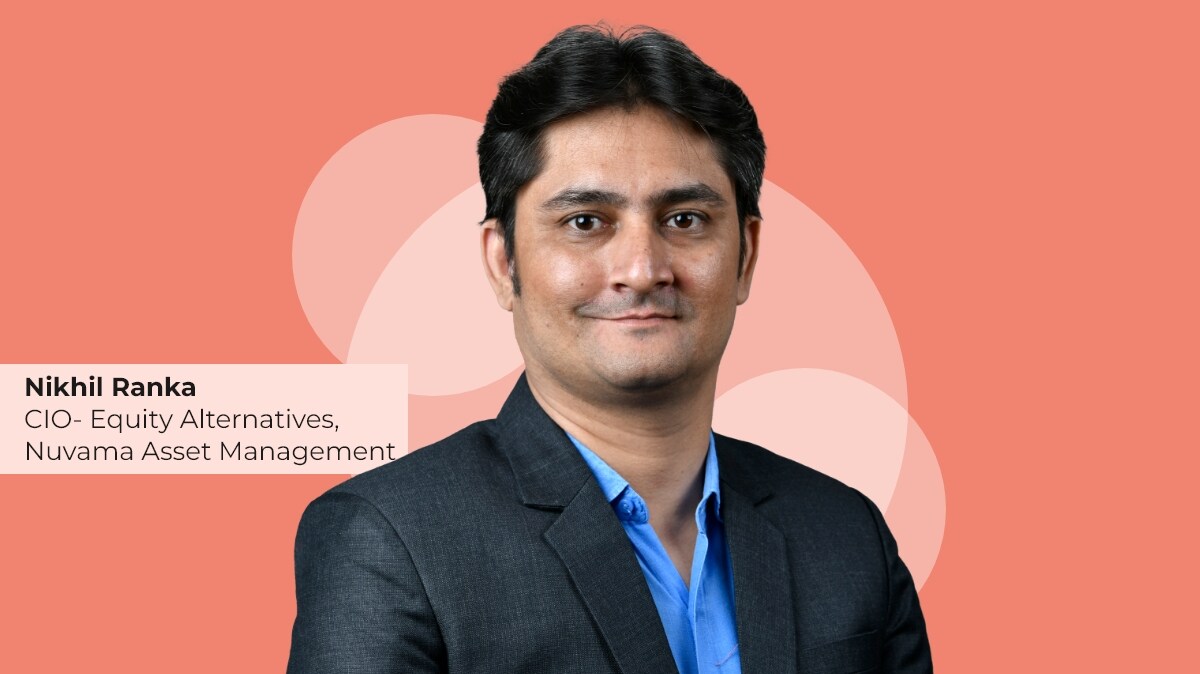
In a cautiously optimistic outlook for Indian equities, Nikhil Ranka, Chief Investment Officer at Nuvama Asset Management, has projected a fair value of 26,000 for the Nifty 50 index over the next 10–12 months. Speaking to ET Now on September 16, 2025, Ranka emphasized that while returns ma...
In a cautiously optimistic outlook for Indian equities, Nikhil Ranka, Chief Investment Officer at Nuvama Asset Management, has projected a fair value of 26,000 for the Nifty 50 index over the next 10–12 months. Speaking to ET Now on September 16, 2025, Ranka emphasized that while returns may be more moderate than in previous bull cycles, the market is entering a favorable phase for medium-term investors—especially those willing to recalibrate expectations and focus on select sectors like cement and telecom2.
Valuation Outlook: Resetting Expectations
Ranka’s forecast is grounded in a projected Nifty EPS of ₹1,300 for FY27, which, when multiplied by a conservative 20x earnings multiple, yields a fair value of 26,000. This implies a 10% upside from current levels, which hovered around 23,600 at the time of his commentary.
“Investors should reset their return expectations. On an index level, 10% is reasonable going forward,” Ranka said, adding that the market is transitioning from post-COVID exuberance to a more earnings-driven phase.
He noted that India’s earnings growth trajectory has moderated from 13–14% CAGR pre-COVID to around 9–10%, and that the first half of FY26 may see single-digit growth, followed by a pickup in the second half as GST rationalization and policy support take effect.
Sector Spotlight: Cement and Telecom Lead the Charge
Ranka’s conviction lies in sectors that offer earnings visibility, pricing power, and insulation from global volatility. His top picks:
Cement: With the monsoon season ending and GST cuts expected, the sector is poised for margin expansion and volume growth. “Cement should see both margin uptick and higher demand after the monsoon,” he said.
Telecom: The sector is expected to benefit from a fresh round of tariff hikes, especially ahead of the anticipated Jio IPO. Ranka believes telecom offers high earnings visibility and is relatively shielded from global macro shocks.
He was more cautious on pharma, citing patent expiries, and on IT, where earnings may remain subdued despite AI-led adoption. FMCG stocks, he noted, appear expensive after recent rallies, making incremental gains harder to achieve.
Market Sentiment and FII Flows
Ranka acknowledged that foreign institutional investors (FIIs) have been cautious due to India’s premium valuations relative to other emerging markets. “Indian markets still trade at a 55–60% premium to MSCI EM. If our growth slows to 8–9%, that premium could compress,” he explained.
However, he expects FII flows to return once India resumes 12–13% earnings growth, particularly in the second half of FY26. Domestic flows remain strong, with SIP contributions at an all-time high of ₹27,000 crore per month, providing a cushion against global volatility.
Investment Strategy: Medium-Term Deployment
Ranka advised investors to deploy capital with a 12-month horizon, focusing on bottom-up stock selection and avoiding overexposure to sectors that have already rallied. He also highlighted the importance of asset allocation, noting that Nuvama recently launched a flexi-cap fund and is preparing to roll out a multi-asset strategy to navigate market uncertainty.
“The pipeline for primary markets is robust, with companies expected to raise $50 billion over the next 12–15 months,” he added, suggesting that IPO activity could offer fresh opportunities for investors.
Conclusion: A Measured Bull Case
While the days of double-digit annual returns may be behind us for now, Ranka’s outlook offers a measured bull case for Indian equities. With a fair value target of 26,000 for the Nifty 50, and strategic bets on cement and telecom, Nuvama AMC is positioning itself for steady growth amid shifting macro winds.
For investors, the message is clear: reset expectations, stay selective, and think medium-term.
Sources: Economic Times, ET Now, Nuvama