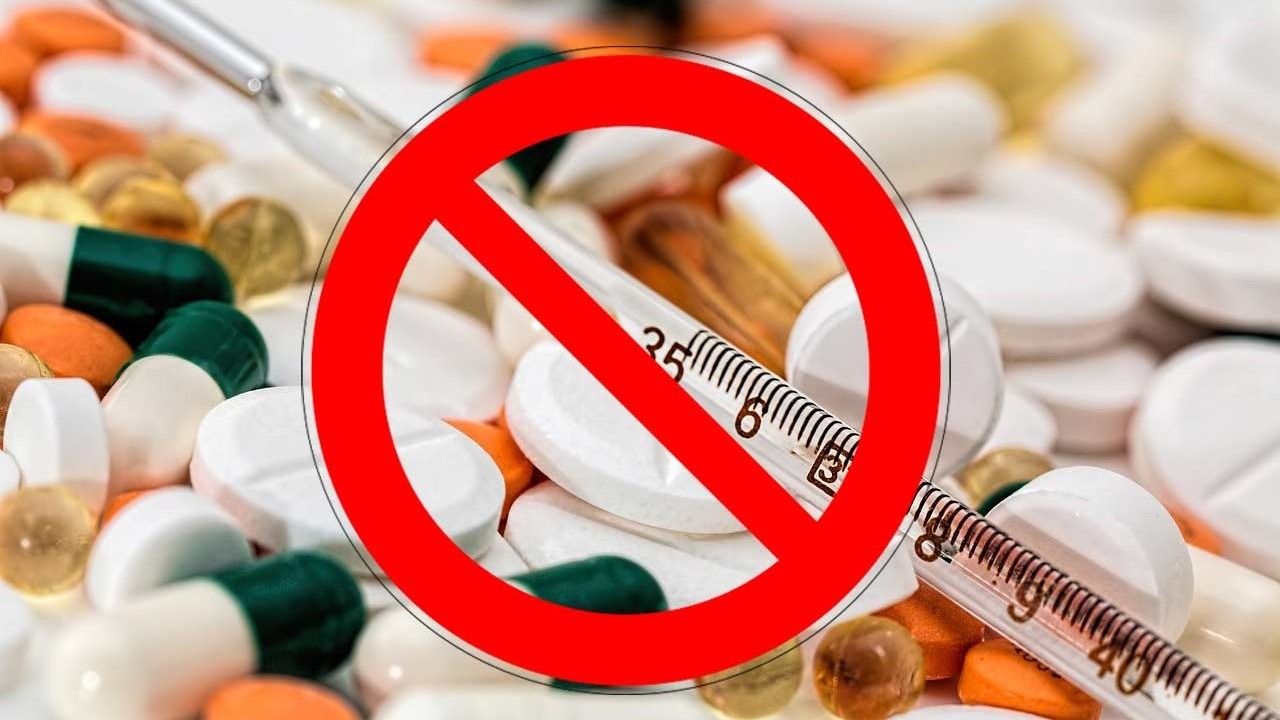
The Central Government has implemented an immediate ban on 16 fixed-dose combination drugs, citing a lack of therapeutic justification and hidden public health risks. The prohibited list spans common painkillers, antibiotic variations, and topically applied skin creams, forcing manufacturers and pharmacies to pull the irrational formulations from market circulation entirely.
NEW DELHI — In a major regulatory sweep aimed at protecting consumer health and eliminating irrational medication formulas, the Union Government of India has ordered an immediate nationwide ban on the manufacture, sale, and distribution of 16 fixed-dose combination drugs. The gazette notification, issued on Saturday, June 20, 2026, by the Ministry of Health and Family Welfare under Section 26A of the Drugs and Cosmetics Act, 1940, enforces a complete prohibition on a wide array of everyday medical formulations, including popular painkillers, antibiotic blends, and over-the-counter skin creams.
Technical Review Confirms Risks Outweigh Clinical Benefits
The definitive action follows a rigorous, multi-year scientific review conducted in direct compliance with instructions handed down by the Supreme Court of India. To address the market prevalence of unscientific formulations, the apex statutory advisory body on drug regulation—the Drugs Technical Advisory Board (DTAB)—convened a specialized expert committee to audit the clinical validity of multiple fixed-dose combination drugs currently distributed throughout the domestic pharmaceutical supply chain.
Following extensive evaluation, the expert panel and its subsequent DTAB sub-committees concluded that the 16 specific combinations lacked verified therapeutic justification. Regulatory filings indicated that combining these particular active pharmaceutical ingredients (APIs) into a single, fixed-dosage unit offered no incremental medical benefit to patients while exposing consumers to unnecessary side effects and heightened chemical toxicity.
Detailed Breakdown of the 16 Prohibited Medical Combinations
The sweeping list released by the central government spans multiple primary therapeutic categories, ranging from prescription antibiotics to widely used over-the-counter (OTC) cosmetic dermatological creams. The official list of banned fixed-dose combination drugs includes:
Painkillers, Gastrointestinal, and Anti-Diabetic Formulations
Acetyl Salicylic Acid + Ethoheptazine (Analgesic/Painkiller)
Dicyclomine + Paracetamol + Clidinium Bromide (Antispasmodic/Muscle Relaxant)
Dicyclomine + Paracetamol + Clidinium Bromide + Chlordiazepoxide (Gastrointestinal/Antispasmodic)
Gliclazide + Chromium Picolinate (Anti-Diabetic)
Paracetamol + Lignocaine (Local Anesthetic/Analgesic)
Antibiotic-Based Formulations
Amoxicillin + Serratiopeptidase + Lactobacillus Sporogenes (Antibiotic/Anti-inflammatory blend)
Amoxicillin + Cloxacillin + Lactic Acid Bacillus + Serratiopeptidase (Multi-action Antibiotic)
Amoxicillin + Serratiopeptidase (Antibiotic/Enzyme combo)
Cefadroxil + Probenecid (Cephalosporin Antibiotic booster)
Cefuroxime + Serratiopeptidase (Advanced Antibiotic blend)
Skincare and Topical Dermatological Creams
Aloe Extract + Allantoin + Alpha Tocopherol Acetate + D-Panthenol + Vitamin A
Aloe Extract + Vitamin E + Dimethicone + Glycerine
Aloe Vera + Jojoba Oil + Vitamin E
Aloe Vera + Orange Oil
Aloe Vera + Jojoba Oil + Wheat Germ Oil + Tea Tree Oil
Aloe Vera + Vitamin E + Herbal Preparation
Impact on Consumers, Medical Practitioners, and the Pharma Sector
The immediate enforcement of this ban directly alters operational protocols for several major stakeholders within the Indian healthcare framework:
Consumers and Patients: Citizens are strongly advised to audit their domestic medicine cabinets. Several of the listed dermatological preparations and painkillers are commonly obtained without an official prescription. Continued use of these items must be halted in favor of single-ingredient alternatives.
Pharmacists and Retailers: Chemists, online aggregators, and hospital dispensaries must immediately pull the designated fixed-dose combination drugs from their active inventory. Continuing to sell or distribute these products will result in severe punitive action under the Drugs and Cosmetics Act.
Pharmaceutical Manufacturers: Companies holding active licenses for these combinations must cease production lines immediately. Industry analysts observe that this crackdown forms part of a wider clean-up by the Ministry, which has prohibited over 50 irrational drug combinations during the past 12 months, including 29 vitamin-mineral supplements earlier this year.
Official Sources Section
The public enforcement parameters are systematically organized as per official notifications circulated by the Ministry of Health and Family Welfare, bolstered by clinical review documents authorized by the Drugs Technical Advisory Board (DTAB). Legal boundaries and operational warnings have been verified via official dispatches from the Press Trust of India (PTI) and the ETPharma regulatory tracker.
Quote Section
"The manufacture for sale, sale, distribution and supply of the identified 16 FDCs for human use shall stand prohibited with immediate effect across the country. These combination drugs were found to lack therapeutic justification and were not considered beneficial with respect to the risks involved."
— Official Gazette Notification, Ministry of Health and Family Welfare
Why It Matters
Allowing unscientific fixed-dose combination drugs to circulate freely carries long-term public health dangers. In the case of antibiotics like Amoxicillin blended inappropriately with enzymes, irrational combinations directly accelerate global antimicrobial resistance (AMR), making standard infections much harder to treat. For consumers, removing irrational mixtures forces the medical community toward rational prescribing habits, ensuring patients only ingest scientifically validated, single-target or proven multi-target compounds.
Key Facts at a Glance
Total Prohibited: The Central Government has permanently banned 16 specific fixed-dose combination drugs across India.
Therapeutic Range: Affected medicines include major prescription antibiotics, muscle relaxants, painkillers, and 6 standalone Aloe-Vera based skin creams.
Legal Enforcement: Issued under Section 26A of the Drugs and Cosmetics Act, 1940, making any further manufacture or sale illegal with immediate effect.
Primary Rationale: The DTAB expert committee ruled that the formulations lack scientific data, offer no real clinical advantages, and carry unjustified health risks.
FAQ Section
Q1: What exactly are fixed-dose combination drugs? Fixed-dose combinations (FDCs) are medicines that merge two or more active pharmaceutical ingredients (APIs) into a single delivery form, such as a tablet, capsule, or topical cream, in a fixed ratio.
Q2: Are all combination medicines banned in India now? No. Only specific combinations that have been evaluated by the DTAB expert committee and proven to be "irrational" or "therapeutically unjustified" are banned. Many valid combination medicines for chronic issues like hypertension or diabetes remain fully approved.
Q3: What should I do if my current skin cream or painkiller is on this list? You should immediately discontinue using the banned product and consult a certified medical practitioner or pharmacist to obtain a safer, single-ingredient alternative that fits your treatment path.
Source: