The Municipal Corporation of Delhi met with World Bank experts on August 29, 2026, to review urban waste management systems from Tokyo, New York, and Barcelona. Chaired by Commissioner Sanjeev Khirwar, the session focused on incorporating waste-to-energy technology, private transport networks, and decentralized source segregation to modernise Delhi's waste processing.
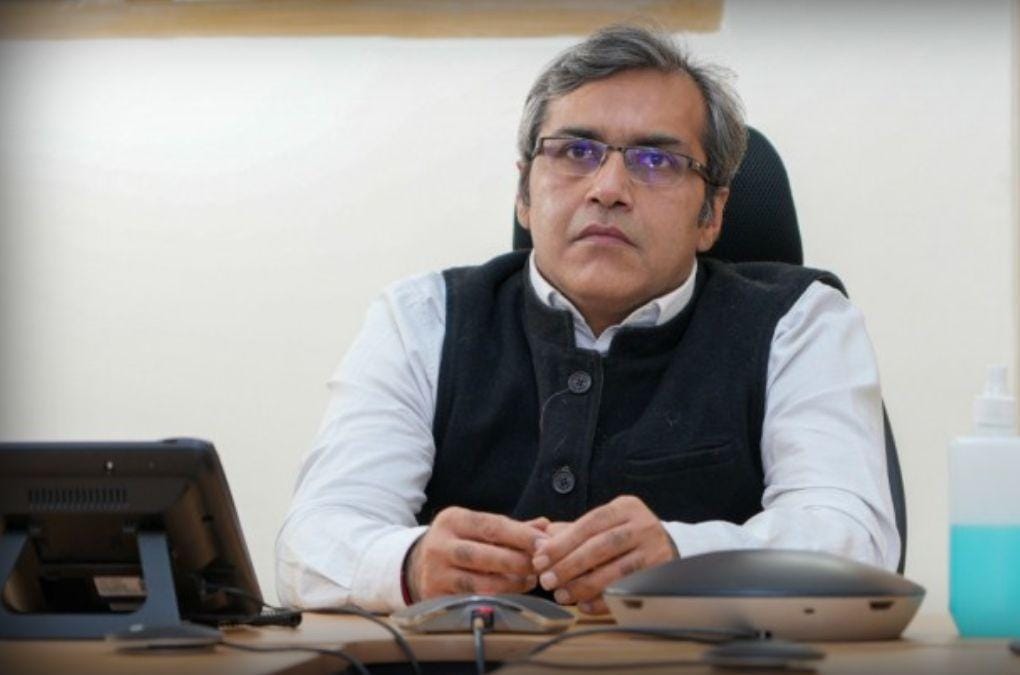
NEW DELHI — The Municipal Corporation of Delhi (MCD) held high-level discussions with World Bank experts on Saturday, August 29, 2026, to study international waste management models implemented in Tokyo, New York, and Barcelona. The strategic session aimed at overhauling the national capital’s solid waste collection, transportation, and processing framework. Chaired by MCD Commissioner Sanjeev Khirwar, the conference focused on adapting technology-driven processing, private partnership logistics, and decentralized waste segregation to address the city’s daily garbage generation.
Global Benchmarks Analyzed for Urban Application
During the meeting, World Bank specialists presented detailed operational frameworks from three global metropolises to address urban sanitation challenges:
Tokyo's Technology-Driven Framework: Emphasizes large-scale, high-tech waste processing utilizing 23 waste-to-energy plants designed for dense urban environments.
New York's Private Sector Contracting: Relies on private agencies for logistics, long-distance waste transportation, and processing outside urban boundaries.
Barcelona's Decentralized Model: Prioritizes localized processing facilities, mandatory source segregation, and sustained public behavioral campaigns.
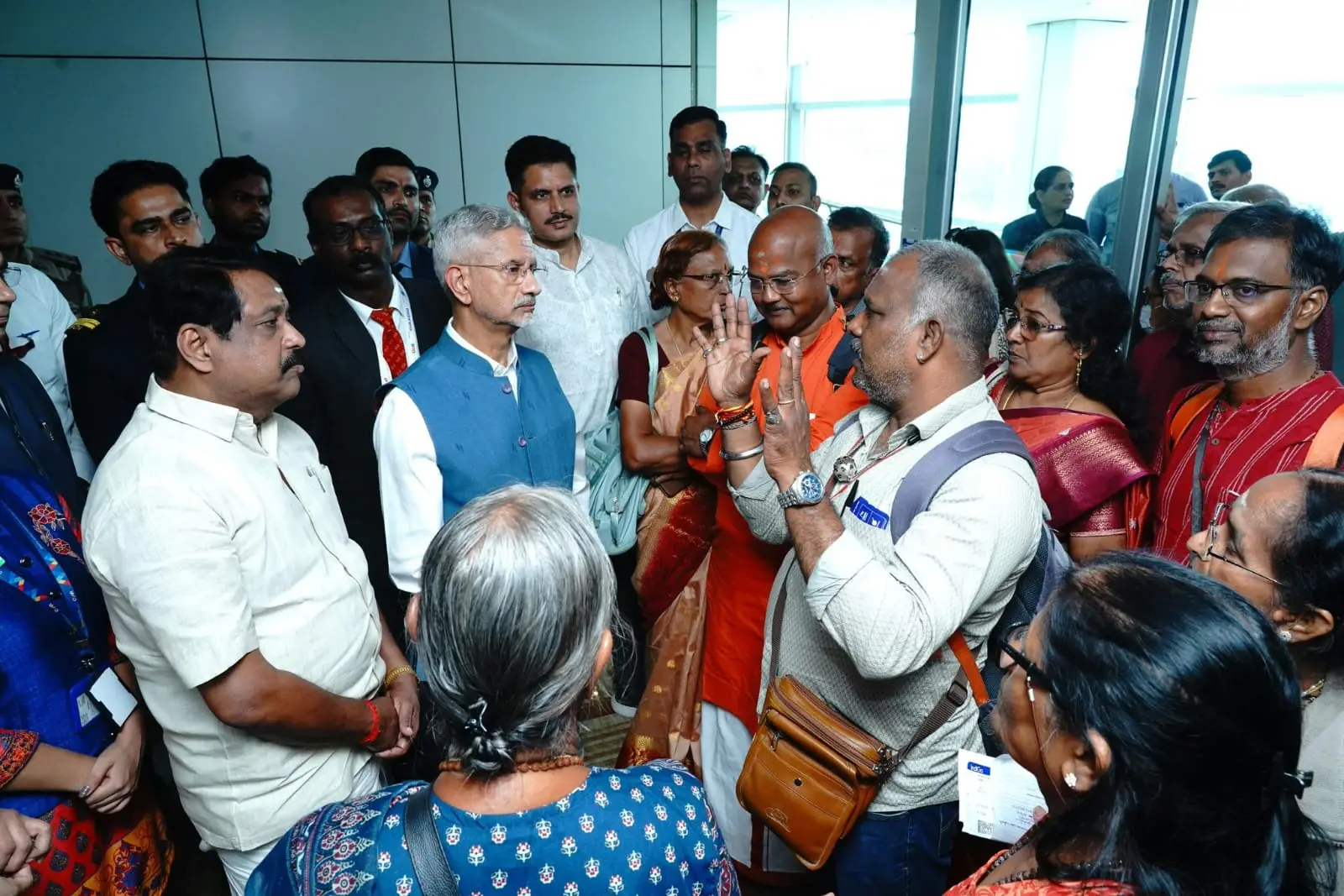
The meeting was attended by additional commissioners, engineers-in-chief, and deputy commissioners across all municipal zones in Delhi. Officials reviewed how elements from these distinct models could be integrated to reduce reliance on local landfill sites.
Addressing Delhi's Daily Waste Pressures
Delhi generates approximately 12,500 to 13,500 metric tonnes of municipal solid waste daily. While existing waste-to-energy facilities and processing plants handle a significant portion, thousands of tonnes continue to strain municipal resources and local landfill capacities.
The initiative to benchmark against international systems builds on recent administrative measures taken by the civic body. The MCD has previously engaged technical institutions like IIT Delhi to map ward-level waste generation, draft standard operating procedures, and align municipal operations with updated solid waste management rules targeting zero-landfill goals.
Official Sources Section
The details and institutional scope of the strategic review were confirmed through formal communications:
Municipal Corporation of Delhi (MCD): Official press briefing chaired by Commissioner Sanjeev Khirwar detailing civic goals.
World Bank Advisory Team: Technical presentations on waste management systems from Japan, the United States, and Spain.
Quote Section
"Tokyo's system, which has 23 waste-to-energy facilities, was discussed as an example of large-scale processing of municipal waste using technology," the Municipal Corporation of Delhi stated in an official release issued following the meeting.
According to officials, the municipal authority intends to synthesize these global strategies into a localized actionable framework to upgrade door-to-door collection, ward-level segregation, and scientific waste processing.
Why It Matters
Implementing scalable waste management models directly affects public health, air quality, and urban sanitation for Delhi's residents. Adopting technology-led waste-to-energy facilities and decentralized processing reduces long-term landfill expansion, curbs environmental pollution, and offers structured opportunities for private contractors and logistics providers in the urban waste management sector.
Key Facts at a Glance
Event Date: Discussions were conducted on Saturday, August 29, 2026.
Participating Agencies: MCD leadership and World Bank technical experts.
Studied Cities: Tokyo (waste-to-energy plants), New York (private transport logistics), and Barcelona (decentralized segregation).
Daily Generation: Delhi generates up to 13,500 metric tonnes of municipal solid waste per day.
Primary Objective: Developing an integrated, sustainable waste processing infrastructure for the capital.
Frequently Asked Questions
Why did the MCD meet with World Bank experts?
The MCD met with World Bank experts on August 29, 2026, to evaluate global waste management best practices from Tokyo, New York, and Barcelona to improve Delhi's civic sanitation infrastructure.
What are the key features of the waste models discussed?
Tokyo's model focuses on waste-to-energy processing technology, New York utilizes private agencies for long-haul waste transport, and Barcelona emphasizes localized facilities and source segregation.
How much waste does Delhi generate daily?
Delhi generates approximately 12,500 to 13,500 metric tonnes of municipal solid waste each day.
Source: Municipal Corporation of Delhi, World Bank, Ministry of Housing and Urban Affairs.