Union Minister Dr. Jitendra Singh launched the Special Campaign 6 portal on September 16, 2026. Running its active phase through October, the nationwide drive targets office pendency reduction, workspace optimization, and rigorous e-waste management across all central government ministries, ultimately improving public service delivery and environmental safety for citizens.
NEW DELHI, September 16, 2026 — Marking a major push toward efficient public governance, Union Minister Dr. Jitendra Singh formally launched the dedicated web portal for Special Campaign 6.0 in New Delhi today. Headed by the Department of Administrative Reforms and Public Grievances (DARPG), this nationwide administrative drive targets institutional cleanliness, rapid public grievance disposal, and the systematic processing of electronic waste across all central government departments.
Digital Monitoring and Phased Rollout
The initiative is structured around two distinct operational windows. The preparatory phase runs from September 16 to September 30, allowing departments to audit physical and digital records, identify bottlenecks, and catalog obsolete items. This precedes the active implementation phase, which runs from October 2 to October 31, 2026.
The newly unveiled portal functions as a centralized digital dashboard. Nodal officers spanning 84 central ministries, public sector undertakings, and overseas Indian missions will use the platform to upload daily progress metrics, ensuring complete transparency and real-time tracking of file disposals and workspace optimization.
Focus on E-Waste and Sustainable Governance
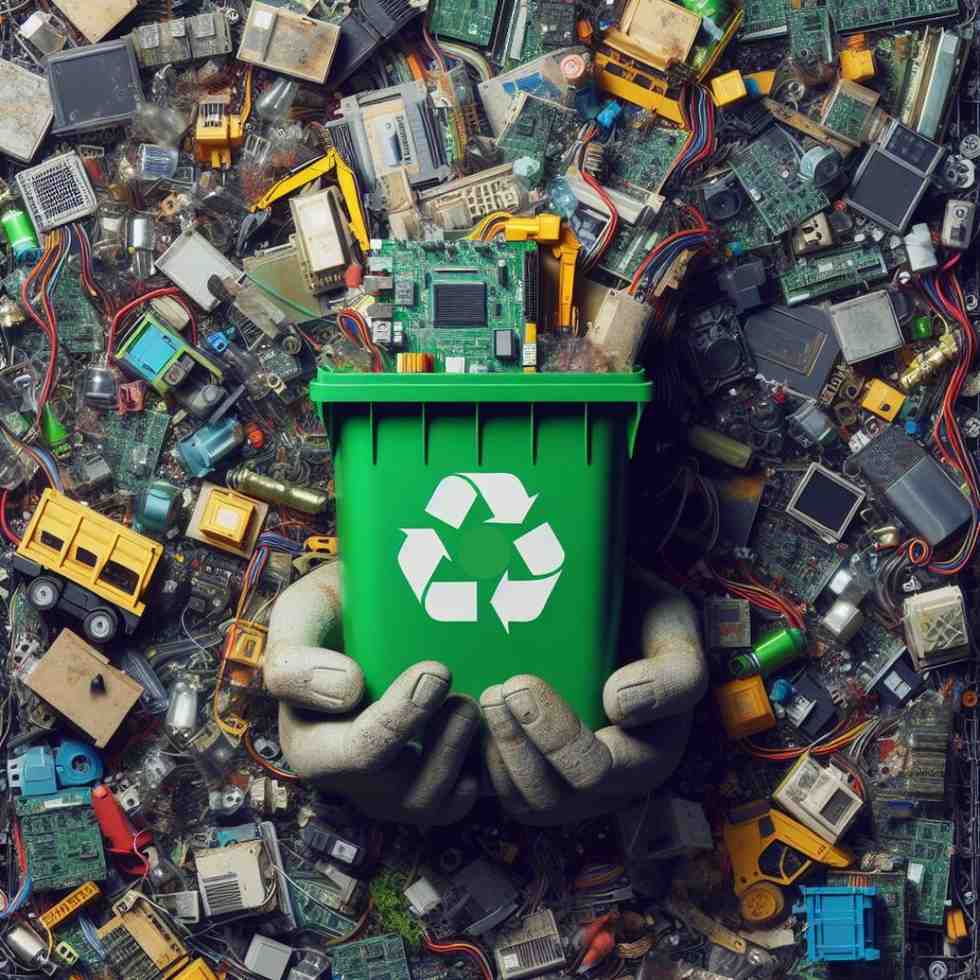
Building on previous editions—which collectively cleared over 24.20 lakh sites—Special Campaign 6.0 places specialized emphasis on the scientific collection and recycling of e-waste. With government offices rapidly modernizing their tech infrastructure, the buildup of obsolete computers, servers, and electronic peripherals has made rigorous disposal protocols essential to prevent environmental contamination.
Past iterations demonstrated massive fiscal and physical returns; Special Campaign 5 cleared roughly 233.75 lakh square feet of office space and generated over ₹833.92 crore in scrap revenue. The current drive scales these outcomes by embedding circular economy principles directly into routine bureaucratic operations.
How It Benefits the General Public
While administrative drives are typically viewed as internal government procedures, Special Campaign 6.0 delivers tangible everyday advantages for citizens and everyday consumers:
Faster Public Service Delivery: By aggressively clearing pendency, reducing administrative bottlenecks, and disposing of redundant paperwork, citizens experience quicker turnaround times on official requests, public grievances, and government file clearances.
Healthier Urban Environments: Enforcing strict, certified e-waste recycling protocols for state-owned electronic hardware prevents toxic heavy metals (like lead and mercury from discarded office tech) from leaking into local landfills, protecting community soil and groundwater quality.
Optimized Public Infrastructure: Reclaiming millions of square feet of clogged office space saves public money on unnecessary real estate rentals and transforms cramped, inefficient departments into streamlined, accessible public-facing centers.
Greater Administrative Transparency: The public portal framework ensures accountability, setting a strong governance benchmark that encourages transparency across public institutions.
Official Sources Section
Official announcements and implementation guidelines issued by the Department of Administrative Reforms and Public Grievances (DARPG).
Cabinet Secretariat directives issued to all Secretaries of the Government of India.
Ministerial briefing notes from the formal portal launch in New Delhi led by Union Minister Dr. Jitendra Singh.
Quote Section
According to official notifications released by the Department of Administrative Reforms and Public Grievances, the campaign aims to institutionalize "Swachhata, significantly reduce decision-making pendency, and enforce eco-friendly e-waste disposal protocols across all tiers of public governance."
Why It Matters
For citizens and administrative stakeholders, clearing bureaucratic backlogs accelerates public service delivery and optimizes state-owned infrastructure. Furthermore, institutionalizing e-waste segregation across government installations sets a strong benchmark for environmental compliance. It ensures that obsolete state technology is recycled through certified channels rather than ending up in municipal landfills. Best practices identified via the portal tracking system will be showcased nationally during Good Governance Week this December.
Key Facts at a Glance
Union Minister Dr. Jitendra Singh launched the Special Campaign 6 portal on September 16, 2026.
The active implementation cleanup phase is scheduled from October 2 to October 31, 2026.
The initiative explicitly prioritizes the systematic collection, segregation, and recycling of e-waste.
Coverage extends across all 84 central ministries, subordinate offices, field units, and overseas Indian missions.
Previous editions since 2021 have cleared over 24.20 lakh sites and generated more than ₹5,102 crore from scrap.
FAQ Section
How does Special Campaign 6.0 directly help the general public?
It accelerates the disposal of public grievances, speeds up file processing times in government offices, and protects local environments through safe e-waste recycling.
What is the purpose of the Special Campaign 6 portal?
The portal serves as a centralized digital tracking tool for monitoring pendency reduction, record management, and e-waste disposal across central government offices.
When does the active implementation phase take place?
The active cleanup and disposal phase runs from October 2 to October 31, 2026, following a two-week preparation window.
Which organizations are required to participate?
All 84 central ministries, departments, attached and subordinate offices, public sector undertakings, field stations, and Indian missions abroad are mandated to participate.
Source: Department of Administrative Reforms and Public Grievances (DARPG), Cabinet Secretariat guidelines, Ministry-level launch announcements.