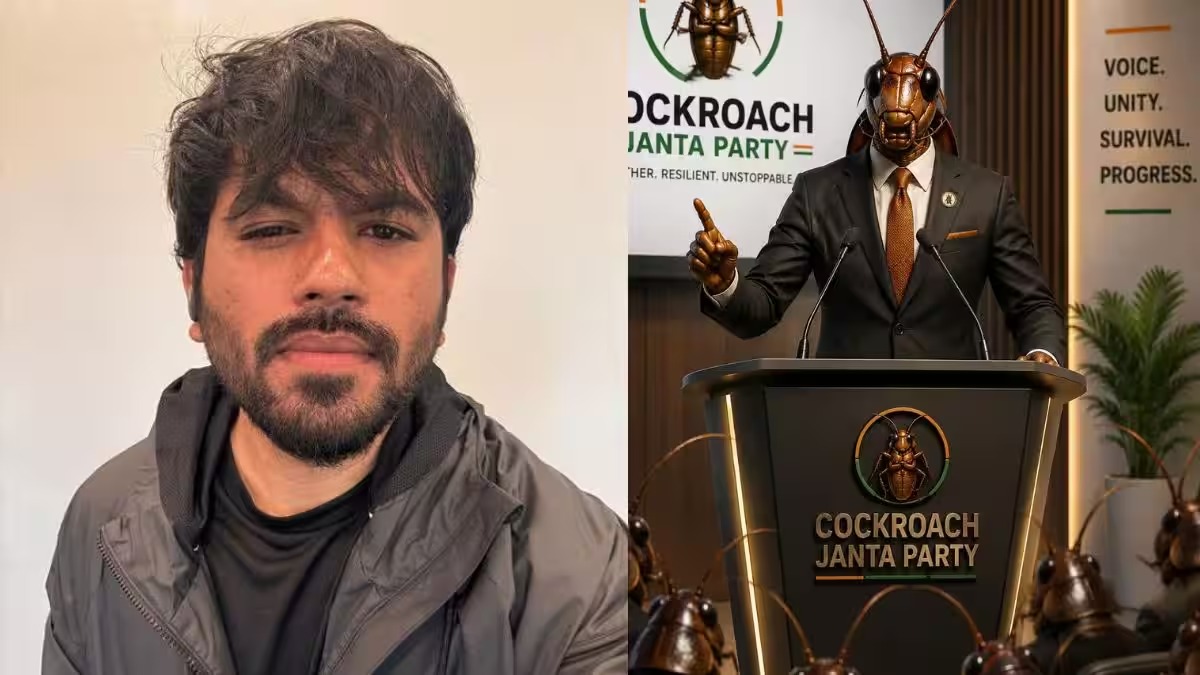
Representatives of the Cockroach Janta Party confirmed that the Indian government has initiated contact for the first time since their month-long protest began. Movement members are now preparing for potential discussions with a senior minister in Prime Minister Modi’s cabinet to address their demands regarding national examination system reforms.
After weeks of sustained protests over India’s examination system, movement representatives have signaled a willingness to engage in official talks with the Modi administration.
NEW DELHI — Representatives of the Cockroach Janta Party (CJP), a youth-led political movement, have confirmed that the Indian government reached out to them for discussions, marking the first time the administration has engaged with the group since the onset of their protest at Jantar Mantar a month ago.
Chief Spokesperson Saurav Das confirmed the contact, noting that while the outreach came late, the organization is prepared to "open their hearts" and engage in a dialogue. The potential meeting between CJP members and a senior minister in Prime Minister Narendra Modi’s cabinet follows weeks of escalating pressure on the government regarding alleged irregularities in national examinations, including the National Eligibility cum Entrance Test (NEET).
Escalating Pressure and Hunger Strikes
The Cockroach Janta Party, founded in May 2026 by political communications strategist Abhijeet Dipke, has transformed from a viral social media phenomenon into a physical protest movement. The movement’s momentum intensified significantly after environmentalist Sonam Wangchuk joined their indefinite hunger strike at Jantar Mantar.
As of July 20, 2026, the movement’s leadership had been coordinating a planned march to Parliament, despite police efforts to barricade the area and deny official permission for the demonstration. The movement's primary demands remain centered on the resignation of Union Education Minister Dharmendra Pradhan and broader systemic accountability for India's education and examination infrastructure.
Movement Origins and Political Significance
The party’s name is a satirical response to comments made by Chief Justice of India Surya Kant in May 2026, who compared certain unemployed youth and activists to "cockroaches" and "parasites". By embracing the derogatory term, the CJP created a mock political platform that resonated with millions of young Indians, amassing over 22 million Instagram followers within weeks of its launch.
While the government has largely maintained silence on the movement's demands, the reported outreach signals a potential shift in the administration's approach to the ongoing crisis. "The ball is in their court," Das told reporters ahead of the scheduled protest, emphasizing that while the movement is open to talks, it remains committed to its core mission of demanding institutional accountability.
Why It Matters
For thousands of students and young professionals supporting the CJP, this development represents a critical juncture in their campaign for educational reform and governmental transparency. The ongoing protests have highlighted a deep-seated economic and existential crisis among India’s under-30 demographic, who increasingly feel that the current examination and job recruitment systems are compromised. Whether a dialogue with the cabinet leads to concrete policy shifts or remains a tactical pause in government pressure remains to be seen.
Key Facts at a Glance
Movement Name: Cockroach Janta Party (CJP), a satirical youth-based political front.
Core Demands: Resignation of Education Minister Dharmendra Pradhan and reforms in national examination processes.
Status of Dialogue: CJP spokespersons confirmed government outreach for the first time since the June 20 protests began.
Notable Figures: Founder Abhijeet Dipke and activist Sonam Wangchuk, who has been on an indefinite hunger strike.
FAQ
What is the Cockroach Janta Party?
The CJP is a youth-led, satirical political movement formed in response to remarks made by the Chief Justice of India comparing unemployed youth to "cockroaches".
Why are they protesting?
The movement demands accountability for systemic issues in the Indian education system, specifically citing paper leaks and transparency concerns in entrance exams like NEET.
What is the status of the hunger strike?
Activist Sonam Wangchuk has been on an indefinite hunger strike; he was recently moved to a hospital due to concerns over his deteriorating health, but remains committed to the protest.
Source: