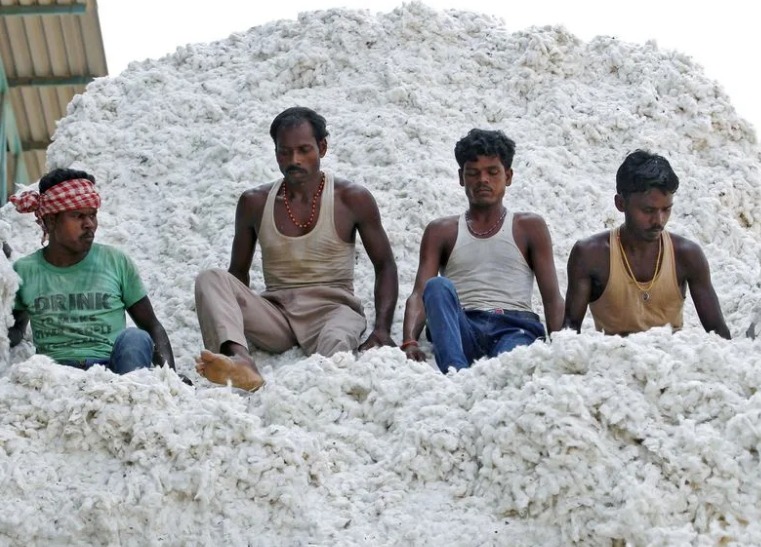
The government has scrapped import duty on cotton for five months, opening a temporary window of cheaper raw material for India’s textile and apparel industry. The move is aimed at easing input cost pressures on spinning mills and garment exporters at a time of volatile global cotton prices and subdued export demand. By allowing duty free cotton imports, New Delhi is betting that a cost reset at the factory gate can translate into better competitiveness in key markets such as the EU, US and Asia over the second half of 2026.
Government’s Decision And Timeline
Under the new notification, basic customs duty and any additional import duties on cotton have been reduced to zero for a limited period of five months. The waiver covers raw cotton imported by mills and traders, regardless of origin, subject to existing quality and quarantine norms. After the five month window, duties are expected to revert to current levels unless the government reviews the measure based on market conditions and industry feedback.
Relief For Textile And Apparel Value Chain
For spinning mills, cotton typically accounts for a large share of total production costs, so even a small reduction in landed price can make a visible difference to margins. Duty free imports create room to blend overseas cotton with domestic fibre, stabilise inventory and negotiate better contracts with global buyers who are highly price sensitive. Garment and home textile exporters, already facing tight orders and competition from Bangladesh, Vietnam and Pakistan, see this as a chance to sharpen pricing without completely sacrificing profitability.
Impact On Farmers And Domestic Prices
The duty cut also raises familiar questions about the interests of domestic cotton growers, especially in states such as Gujarat, Maharashtra, Telangana and Andhra Pradesh. If global cotton prices soften further, cheaper imports could weigh on local prices at the mandi level, prompting calls for procurement support or calibrated import management. The government will have to walk a tightrope between keeping mills competitive and ensuring farm incomes are not unduly hit, particularly as the new cotton season approaches later in the year.
What To Watch Over The Next Five Months
Traders and exporters will now closely track how quickly mills ramp up import contracts and whether global suppliers respond with more aggressive offers. The real test will be whether the temporary duty holiday shows up in higher export volumes, improved capacity utilisation in mills and a more stable cost environment across the textile value chain. If the experiment delivers, industry bodies are likely to lobby for a more predictable, rules based framework for cotton tariffs tied to global price bands rather than ad hoc tweaks.
Key Highlights
- Import duty on cotton scrapped for a limited five month period
- Measure designed to lower input costs for spinning mills and textile exporters
- Aims to improve India’s price competitiveness in global markets amid high volatility
- Concerns remain about potential pressure on domestic cotton prices and farmer incomes
- Outcome could shape future policy on cotton tariffs and raw material management
Sources: Recent government notifications on cotton import policy, finance ministry statements on customs duty changes, and industry commentary from textile and export associations on raw material costs and global competitiveness.