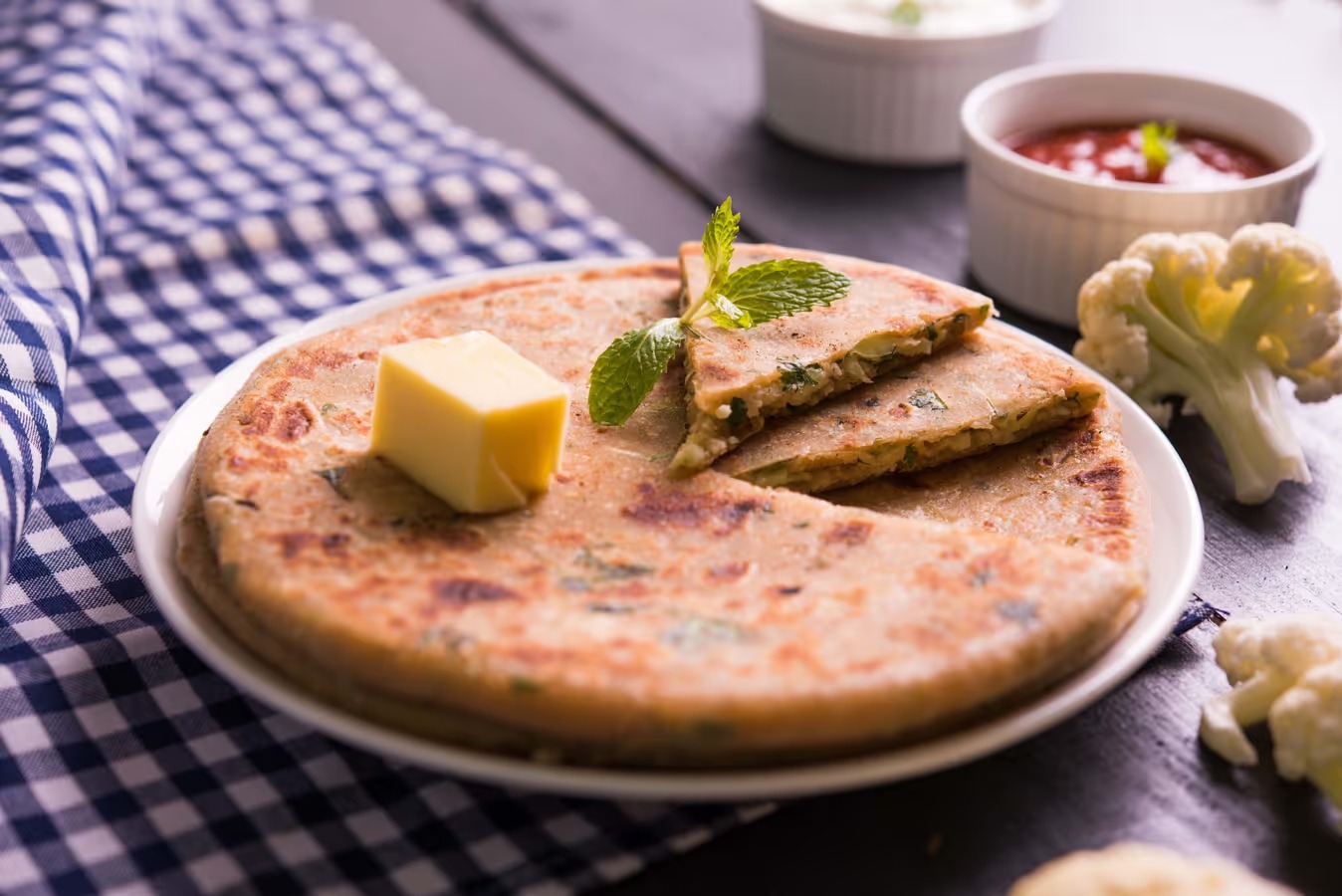
The paratha is a quintessential Indian flatbread celebrated for its regional diversity and culinary versatility. Whether stuffed with spiced vegetables, meat, or prepared as flaky layered bread, it remains a beloved staple. Beyond its flavor, the paratha highlights sustainable home cooking traditions, pairing perfectly with curd, pickles, and savory curries.
From humble street-side stalls to home kitchens, the paratha remains a cornerstone of Indian cuisine, offering endless versatility with every fold.
NEW DELHI — Across the Indian subcontinent, the paratha—a layered or stuffed flatbread—serves as more than just a staple; it is a cultural hallmark of breakfast and mealtime traditions. Whether enjoyed as a quick morning bite or a hearty lunch, the sheer variety of parathas reflects the regional diversity and culinary ingenuity of India.
While the preparation methods vary—from the flaky, coiled lachha paratha of the North to the soft, griddle-cooked stuffed versions—the fundamental appeal lies in the combination of whole wheat flour, ghee, and seasoned fillings. Below are seven popular varieties and their ideal culinary companions.
A Tour of Iconic Paratha Varieties
1. Aloo Paratha
The undisputed king of stuffed flatbreads, the aloo paratha features a generous filling of spiced, mashed potatoes. It is a quintessential Punjabi breakfast staple, traditionally served with a dollop of white butter (makkhan), tangy mango pickle, and a bowl of fresh, thick curd.
2. Lachha Paratha
Defined by its signature concentric, flaky layers, the lachha paratha is a masterclass in texture. Prepared by rolling and folding the dough repeatedly before cooking on a tawa, this variety pairs exceptionally well with rich, thick gravies like Dal Makhani or Paneer Butter Masala, allowing the layers to soak up the sauce.
3. Paneer Paratha
A favorite for those seeking a protein-rich meal, paneer paratha is stuffed with finely grated cottage cheese mixed with green chilies, cilantro, and warm spices. It is best enjoyed with a cooling cucumber or boondi raita, which balances the richness of the cheese.
4. Gobi Paratha
Popular across North India, especially in the winter months, gobi paratha is filled with finely grated, spiced cauliflower. Because of its earthy flavor profile, it pairs perfectly with a sharp achar (pickle) or a piping hot cup of masala chai.
5. Methi Paratha
Incorporating fresh fenugreek leaves (methi) directly into the dough or as a stuffing, this variety offers a slightly bitter, aromatic profile that is both healthy and flavorful. It is often served as a lighter meal option alongside plain yogurt or a simple potato-based side dish.
6. Mooli Paratha
Made with grated, spiced radish, mooli paratha is a pungent and spicy delight often eaten in the winter. Given its bold flavor, it is best served with a side of dahi (yogurt) or a mild tomato chutney to provide a refreshing contrast.
7. Keema Paratha
For meat lovers, the keema paratha—stuffed with spiced minced meat like lamb or chicken—is a substantial, protein-packed meal. Because it is so hearty, it is best accompanied by a cooling mint chutney, sliced onions, and a refreshing raita.
Why It Matters: Beyond the Plate
The paratha is a testament to the adaptability of Indian cooking. Whether made from leftover dal, mixed seasonal vegetables, or pulses like sattu, these breads serve as a sustainable and delicious way to minimize food waste while maximizing flavor. For households across India, the choice of paratha and its specific accompaniment—be it a dry sabzi, a creamy curry, or a simple side of pickles—often defines the character of the entire meal.
Key Facts at a Glance
Primary Ingredients: Whole wheat flour (atta) is the base for most North Indian parathas, while South Indian parotta often utilizes maida.
Stuffed vs. Unstuffed: Varieties can be categorized into stuffed (e.g., aloo, paneer) or mixed/layered (e.g., methi, lachha).
Cooking Method: Typically cooked on a tawa (griddle) with liberal amounts of ghee or oil for crispiness.
Best Accompaniments: Curd/Raita, pickles (achar), chutneys, and masala chai.
Frequently Asked Questions
What is the best way to serve stuffed parathas?
Stuffed parathas are best served hot, directly off the griddle. They pair excellently with a dollop of butter or ghee, a side of yogurt, and pickles.
What is the difference between a Paratha and a Parotta?
A North Indian paratha is typically made with whole wheat flour and rolled/folded, whereas a South Indian parotta is made with maida (all-purpose flour) and involves a process of stretching and coiling to achieve its distinct flaky texture.
Can parathas be healthy?
Yes. By using whole grains like khapli wheat or incorporating nutrient-dense vegetables like spinach, broccoli, or bottle gourd into the dough or stuffing, parathas can be highly nutritious.
Source: Wikipedia: Paratha, The Economic Times, NDTV Food, J Cooking Odyssey