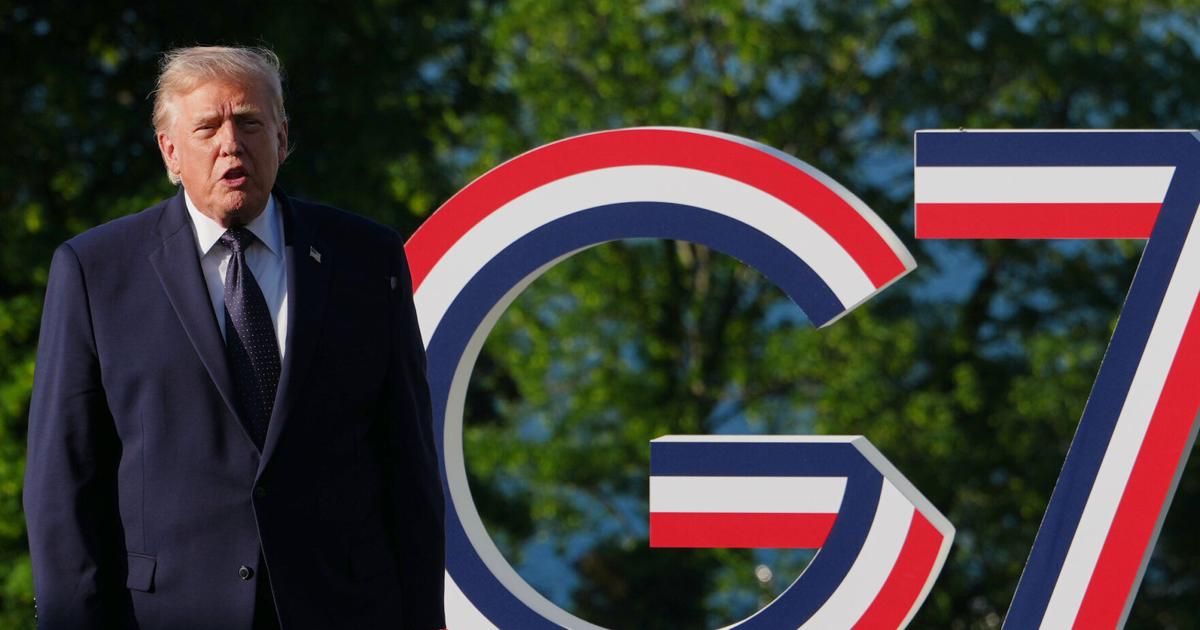
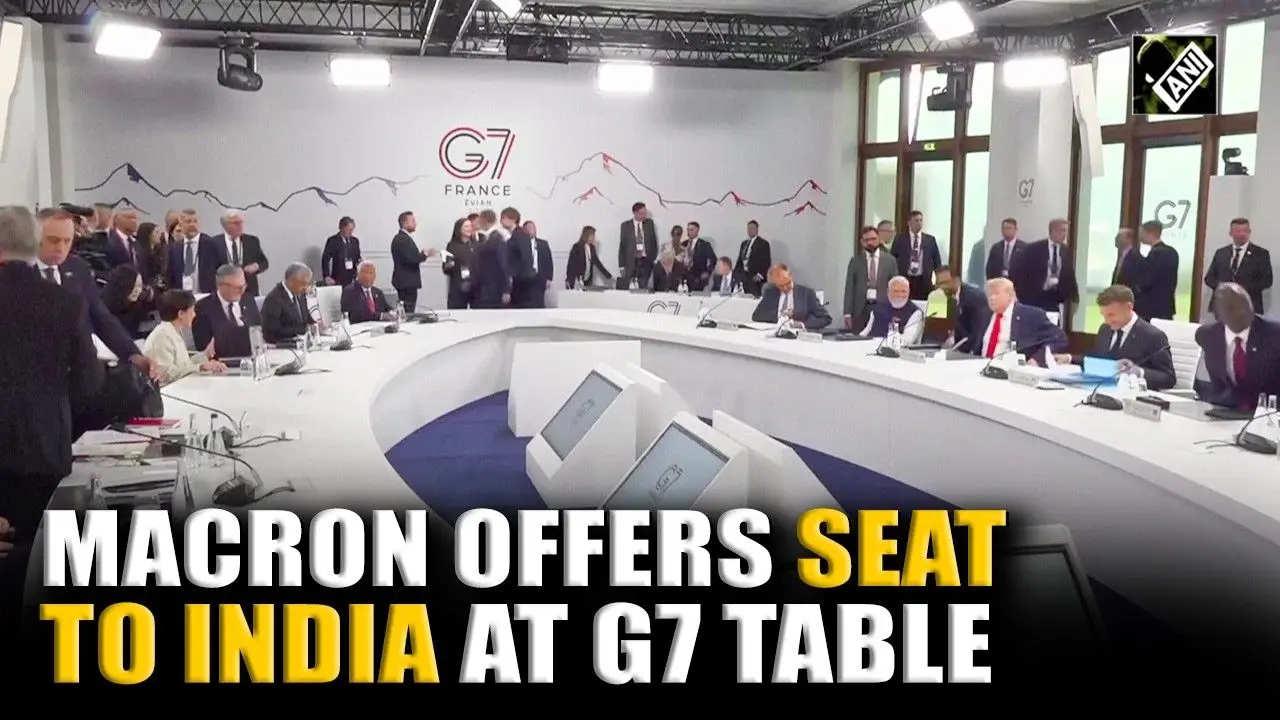
At the 2026 G7 summit closing press conference in France, U.S. President Donald Trump unveiled a 14-point memorandum with Iran to immediately reopen the Strait of Hormuz. Trump issued a strict 60-day deadline for a final comprehensive treaty, warning that U.S. military bombing operations will resume if Tehran violates the terms.
ÉVIAN-LES-BAINS, France — Speaking at a crowded closing press conference at the conclusion of the Group of Seven (G7) summit on Wednesday, June 17, 2026, U.S. President Donald Trump announced a historic but highly volatile "second stage" memorandum of understanding with Iran. Addressing reporters for over an hour in the French resort town of Évian-les-Bains, Trump defended the tentative agreement while simultaneously issuing a blunt military ultimatum: if a comprehensive, permanent pact is not finalized within 60 days, the United States military will immediately resume aerial bombardment operations.
The high-stakes announcement follows days of intense multilateral negotiations over the global economic fallout of the West Asia crisis and the ongoing war in Ukraine.
The 60-Day Clock: Trump Waves U.S.-Iran Memorandum
Standing alongside Secretary of State Marco Rubio and Commerce Secretary Howard Lutnick, Trump presented a 14-point memorandum of understanding aimed at defusing the protracted conflict in West Asia. Under the newly unveiled terms, the United States and Iran have agreed to an immediate and permanent termination of active military operations across all fronts. In exchange, the U.S. will lift its current maritime embargo and systematically work toward terminating broader economic sanctions, while Tehran explicitly reaffirms it will not develop or procure nuclear weapons.
However, the president made it clear that Washington's patience is strictly limited.
"Just in case you have any question, we'll be giving this out, so you can read it," Trump said, gesturing to the document. "If it doesn't get done in 60 days, that's all right. We go back to bombing. I don't want to do that, because it's so good, but we might have to, because we're never going to let them have a nuclear weapon."
U.S. officials confirmed that a ceremonial signing ceremony will take place within forty-eight hours. The framework is designed to immediately reopen the strategically critical Strait of Hormuz to shipping, throwing a lifeline to global energy markets.
A Dual-Track Strategy: Turning the Screws on Russian Oil
The diplomatic breakthrough with Tehran has triggered immediate geopolitical cascading effects, specifically targeting Moscow's economic engine. At the summit, Trump revealed that the reopening of the Strait of Hormuz and the subsequent normalization of global crude flows will allow Washington to abruptly end its controversial sanctions waivers on Russian oil.
"Soon we will be able to do that as the oil is now flowing," Trump asserted, noting that previous maritime extensions for Russian oil cargoes already at sea had deeply troubled European allies. With alternative oil lanes stabilized by the temporary Iran deal, the U.S. is poised to choke off Moscow's shadow fleet and energy revenues to pressure Russian President Vladimir Putin into ending the war in Ukraine. Trump explicitly declared that Russia "should make a deal" to resolve the four-year-old conflict.
Ukrainian President Volodymyr Zelenskyy, who attended the outreach sessions in France, praised the G7 leaders for developing "strong ideas on how to force Russia into peace," noting that the alliance broadly agrees Moscow is failing to achieve its strategic objectives.
Key Terms of the U.S.-Iran Memorandum: Immediate cessation of hostile military actions, lifting of the U.S. maritime embargo, phased termination of economic sanctions, and a total freeze on Iranian nuclear procurement.
Global Financial Markets Breathe a Sigh of Relief
The potential normalization of shipping traffic through the Strait of Hormuz has sent ripples through global financial institutions and commodity trading desks. Maritime disruptions in West Asia have severely strained corporate supply chains and spiked household energy bills across Europe over the past year.
According to financial assessments reviewed on the sidelines of the summit, the reopening of the strait will directly lower shipping insurance premiums and stabilize global wholesale gas prices. G7 leaders also released a joint communique pledging a "strong, coordinated response" to global economic vulnerabilities, emphasizing supply chain derisking, critical mineral security, and stabilizing nations crowded out by high interest rates.
Official Sources Section
The details, diplomatic terms, and geopolitical actions outlined in this report are compiled from official White House press briefings, joint communiques distributed by the International Cricket Council (ICC) and G7 event organizers in France, and fiscal trade trackers managed by the Ministry of Finance.
Quote Section
"If they don't honor the agreement or some things aren't done, we go back to a very restrictive format," President Trump warned the press corps.
Meanwhile, outlining the economic relief, U.S. Vice President JD Vance stated on national television: "The agreement would reopen the Strait of Hormuz immediately and provide a framework whereby if the Iranians give us what we need on stopping the funding of terrorism, then they can get some benefits and be reinvited into the world economy."
Why It Matters
The 60-day window sets an aggressive timeline that will dictate global energy stability and military positioning throughout the summer of 2026. For businesses and consumers, a verified reopening of the Strait of Hormuz promises an immediate reduction in fuel costs and inflation. Conversely, if negotiators fail to reach a final accord by August, the sudden resumption of American airstrikes could plunge the Middle East back into an overt kinetic conflict, instantly disrupting international commerce.
Key Facts at a Glance
60-Day Ultimatum: Trump announced that the U.S. military will resume bombing operations if a final pact with Iran is not signed within 60 days.
Hormuz Reopening: The memorandum mandates an immediate termination of military operations, allowing commercial shipping to safely resume through the Strait of Hormuz.
Russian Sanctions Snapback: Enhanced global oil supply will enable the U.S. to eliminate existing maritime waivers, effectively stopping Russian oil leaks.
Bilateral Coordination: Indian Prime Minister Narendra Modi met with Trump on the summit sidelines to discuss energy security and the safe restoration of maritime trade.
FAQ Section
1. What are the main terms of the tentative U.S.-Iran deal?
The initial memorandum mandates an immediate halt to all military operations on both sides. The U.S. will drop its maritime shipping embargo and begin rolling back economic sanctions, provided Iran completely halts nuclear weapons development and ceases funding regional proxy groups.
2. What happens if Iran and the U.S. cannot agree on a final contract in 60 days?
President Trump explicitly stated that the U.S. will consider the memorandum void and will resume active military bombing campaigns against Iranian targets.
3. How does the Iran agreement affect the war in Ukraine?
By stabilizing Middle Eastern oil production and reopening the Strait of Hormuz, the U.S. and its G7 allies can aggressively crack down on Russia's "shadow fleet" and reimpose strict sanctions on Russian oil exports without triggering a catastrophic global energy shortage.
4. Where did the G7 summit take place?
The 2026 G7 summit was hosted by French President Emmanuel Macron in the eastern lakeside resort city of Évian-les-Bains, France.
Source: Official statements issued by the White House Press Office, diplomatic briefs from the G7 French Secretariat, and economic data sets archived by the Ministry of Finance.