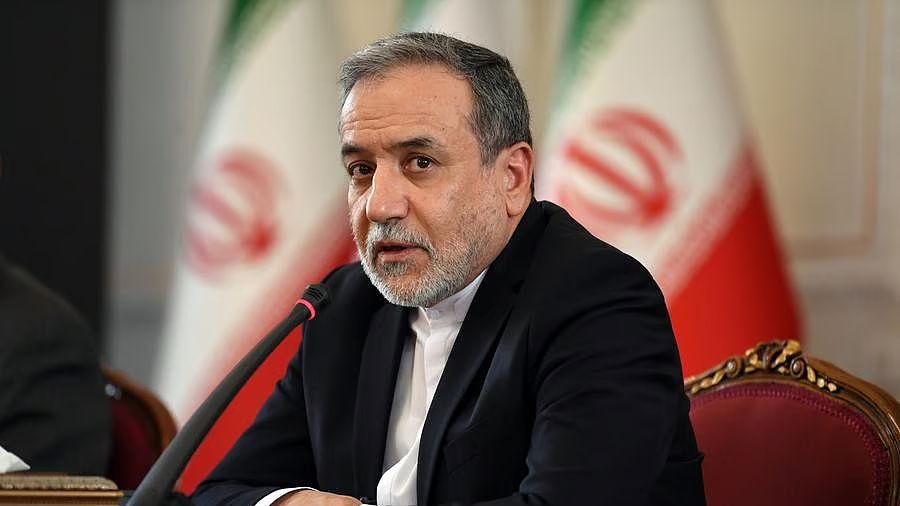
Iranian Foreign Minister Abbas Araghchi dismissed renewed U.S. economic sanctions threats as a sign of Western desperation. Rejecting Washington’s push for coordinated global isolation, Tehran asserted that previous coercive measures have failed and insisted that future financial restrictions will not undermine Iran's national resilience.
Backed by official government statements, Tehran has rejected renewed economic pressures from Washington, characterizing upcoming financial measures as familiar and ineffective bullying tactics.
Rejecting Washington's Economic Pressure Campaign
The diplomatic standoff between Tehran and Washington escalated on Sunday, August 23, 2026, as Iranian Foreign Minister Abbas Araghchi formally dismissed renewed threats of economic sanctions. Speaking to state media and via digital broadcast channels in Tehran, Araghchi labeled the anticipated U.S. measures as a sign of strategic helplessness.
The rejection follows recent announcements by U.S. President Donald Trump and U.S. Treasury Secretary Scott Bessent, who threatened to execute an unprecedented campaign of "Economic Warfare and Isolation". With Treasury Secretary Bessent scheduled to outline specific enforcement mechanisms during a press conference on Monday, August 24, 2026, Washington aims to intensify secondary restrictions on international entities, oil-smuggling networks, and exchange houses transacting with Iran.
Background and Global Economic Implications
The renewed economic offensive arrives against the backdrop of heightened geopolitical friction across the Middle East, which has severely disrupted commercial shipping lanes and energy transit through the Strait of Hormuz. Key elements surrounding the unfolding economic measures include:
Targeted Sectors: U.S. officials intend to crack down on remaining oil exports, front companies, and ship registries, with specific warnings directed at major crude importers such as China, which purchases a substantial share of shipped Iranian oil.
Tehran's Counter-Stance: Iranian leadership maintains that decades of economic restrictions have failed to alter national resolve, asserting that coercive trade policies constitute "economic terrorism" designed to divert domestic attention in Western nations.
Regional Warnings: High-ranking security officials in Tehran cautioned neighboring states against cooperating with Washington's isolation strategy, warning that regional facilitation of the enforcement campaign would invite severe diplomatic consequences.
Why It Matters
The practical implications of intensifying financial isolation ripple directly across global energy markets, shipping insurance rates, and international trade compliance. As Washington prepares secondary sanctions targeting international corporations and regional trade partners, energy importers, multinational corporations, and global investors face heightened compliance risks and potential volatility in crude oil supply chains.
Key Facts at a Glance
Target of Sanctions: Anticipated "toughest sanctions in history" targeting Iran's oil networks, financial transfers, and exchange houses.
Key Spokesperson: Iranian Foreign Minister Abbas Araghchi.
U.S. Administration Figures: President Donald Trump and Treasury Secretary Scott Bessent.
Core Response: Tehran dismissed the actions as a "recurring scenario" of political bullying that will ultimately fail to break national resilience.
FAQ Section
What did Iranian Foreign Minister Abbas Araghchi say regarding the new U.S. sanctions?
Foreign Minister Araghchi dismissed the threats as a sign of American desperation, describing the pressure campaign as a "recurring scenario" of failed policies that will not defeat Tehran.
When and by whom were the latest economic measures announced?
U.S. President Donald Trump and Treasury Secretary Scott Bessent announced the impending enforcement of strict isolation measures and secondary sanctions.
What sectors are primarily targeted by the proposed U.S. economic campaign?
The measures target Iran's remaining oil export routes, shipping registries, front companies, and international financial networks facilitating trade with the country.
Where can readers track official updates regarding the Treasury Department's actions?
Official policy papers, press releases, and briefings are available on the U.S. Department of the Treasury Official Portal.
Global digital network and international trade conceptual graphic representing geopolitical diplomacy and economic policy tracking.
Source: The Hindu, Times of Israel, ANI News, U.S. Department of the Treasury