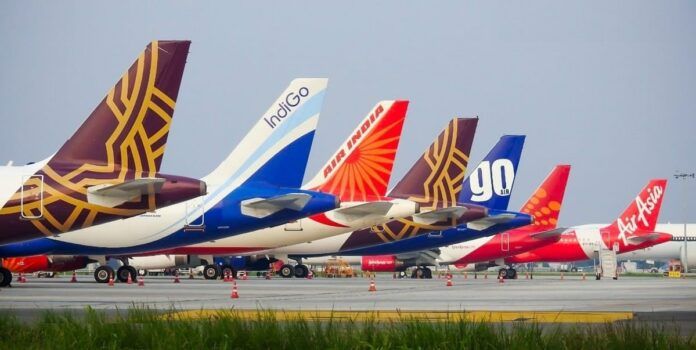
Delhi and Mumbai have slashed value-added tax (VAT) on aviation turbine fuel (ATF) to 7%, offering airlines major relief amid soaring global fuel prices. The move, effective for six months, is expected to ease operating costs but may not immediately lower airfares, instead cushioning carriers against further hikes.
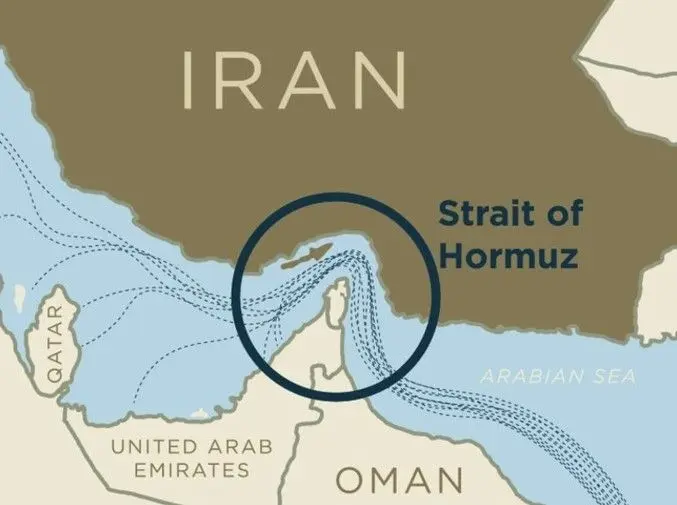
On May 21, 2026, the governments of Delhi and Maharashtra announced sharp VAT cuts on jet fuel at India’s busiest aviation hubs—Delhi’s Indira Gandhi International Airport and Mumbai’s Chhatrapati Shivaji Maharaj International Airport. This comes as airlines struggle with rising fuel costs due to the Iran conflict, rupee weakness, and global supply disruptions.
Details Of The Tax Cut
- Delhi: VAT reduced from 25% to 7% for six months.
- Mumbai: VAT reduced from 18% to 7% for domestic flights, also for six months.
- Revenue Impact: Delhi expects a loss of around ₹985 crore, while Maharashtra projects ₹550–600 crore.
Why Delhi And Mumbai Matter
- Delhi handled 8 crore passengers in 2024–25, making it India’s busiest airport.
- Mumbai handled 55.5 million passengers in 2025 with over 331,000 aircraft movements.
- Together, they account for a disproportionately large share of India’s passenger traffic, refueling, and long-haul connectivity, making tax cuts here more impactful than in smaller airports.
Impact On Airlines
- ATF accounts for 40–60% of airline operating costs, up from 30–40% before the West Asia conflict.
- Global jet fuel prices surged from USD 99.4 per barrel in February 2026 to USD 162.89 per barrel by May 8, 2026.
- Airlines warned the government that escalating costs were threatening route viability.
- The VAT cut will improve margins, reduce fuel tankering, and stabilize ticket pricing, but experts caution that base fares may not drop significantly due to strong demand and limited aircraft supply.
Passenger Outlook
- Immediate fare reductions are unlikely; instead, the relief will help airlines absorb losses and avoid sharp fare hikes.
- Long-haul and premium domestic routes from Delhi and Mumbai may benefit most.
- The move has revived calls to bring ATF under GST, which would create a uniform tax structure across states.
Aviation Relief Highlights
• Delhi cut VAT on ATF from 25% to 7% for six months
• Maharashtra reduced Mumbai’s ATF VAT from 18% to 7% for domestic flights
• ATF costs surged to 55–60% of airline operating expenses amid global crisis
• Delhi and Mumbai airports handle majority of India’s passenger and refueling traffic
• Airlines expected to use savings to stabilize fares, not slash ticket prices
• Renewed demand to bring ATF under GST for uniform taxation
Sources: India TV News, NDTV, Free Press Journal, Oneindia, Moneycontrol, MillenniumPost, The Federal