The Delhi Government is preparing to issue smart PVC property cards to residents across 48 Lal Dora villages under the central SVAMITVA scheme. Following drone surveys of 12,232 properties across 30 villages, over 8,400 dispute-free properties have been cleared for QR-coded, tamper-proof title deeds integrated with the DORIS registry system.
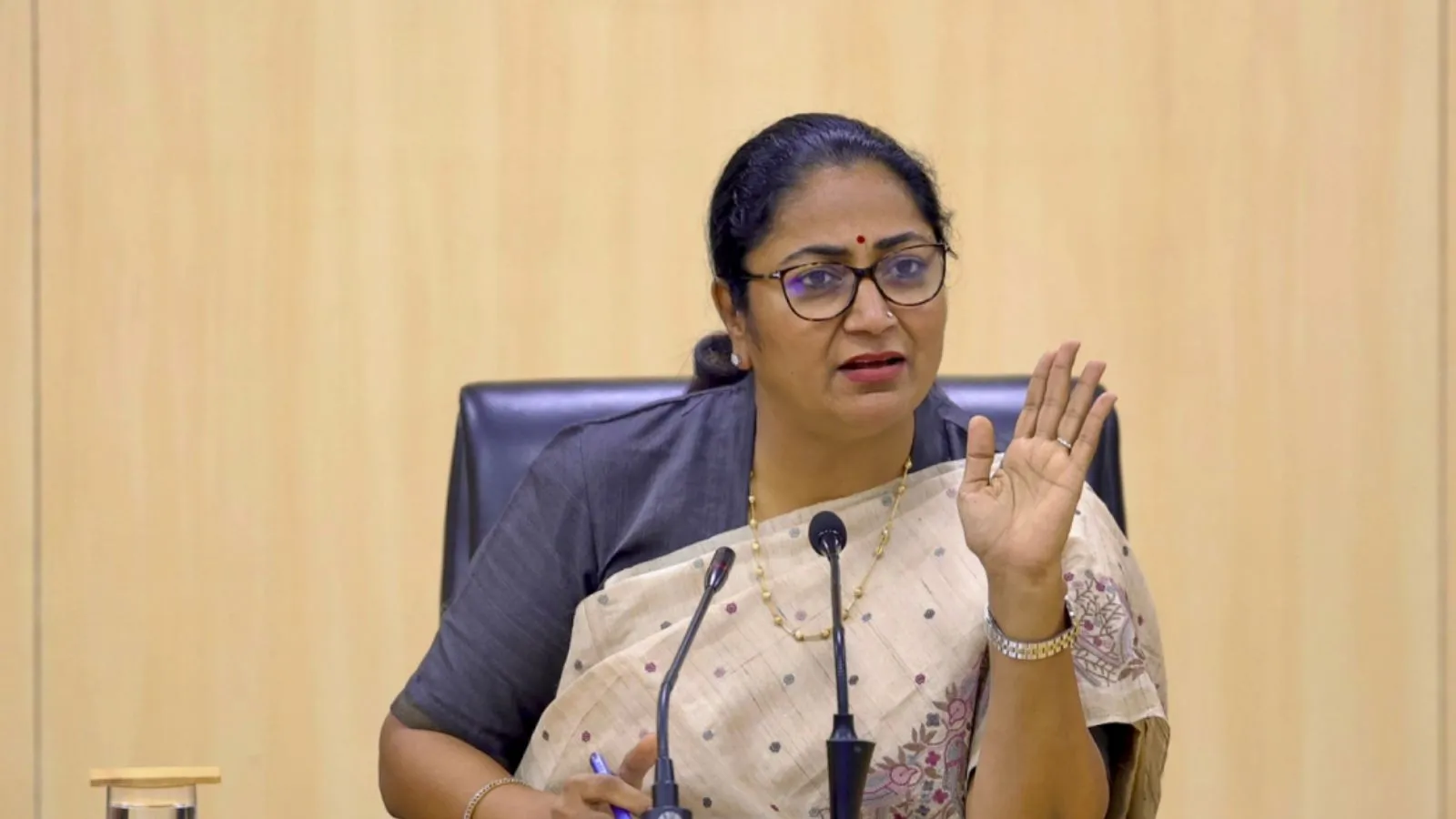
NEW DELHI — The Delhi Government has announced that the Delhi Govt to issue digital property cards for Lal Dora villages under SVAMITVA scheme across 48 designated rural habitation zones in the national capital. Speaking following a comprehensive Revenue Department review meeting, Chief Minister Rekha Gupta confirmed that drone-based topographical surveys conducted in partnership with the Survey of India have been completed across 30 villages, paving the way for the distribution of QR-coded, tamper-proof property identification cards. This development marks a major administrative milestone for rural Delhi residents who have historically lacked formal land ownership records, empowering property owners with legal clarity, financial leverage, and protection against land disputes.
Digital mapping and land survey operations underway under the SVAMITVA scheme in rural Delhi.
Implementation Framework and Survey Milestones
Technological Mapping and Dispute Resolution
The initiative is executed under the central government’s Survey of Villages and Mapping with Improvised Technology in Village Areas (SVAMITVA) scheme. Under this program, high-resolution aerial drones operated by the Survey of India capture precise spatial boundaries of inhabited Abadi areas. State revenue officials subsequently conduct ground-level verification to validate physical property lines against drone-generated maps.
According to official data released by the Chief Minister’s Office (CMO), field teams have surveyed 12,232 individual property units (polygons) across the initial phase. Of these, 8,423 properties—representing nearly 69 percent of total surveyed units—have been classified as entirely dispute-free and cleared for immediate card generation. Notably, all surveyed properties in Delhi's South and North West districts were confirmed to be 100 percent dispute-free.
Technical Features of the Smart Property Card
Each physical card issued to homeowners will be a durable PVC smart card manufactured according to Unique Identification Authority of India (UIDAI) security benchmarks. The card displays critical ownership metadata, including:
Unique Property Identification Number (PID) and assigned Bhu-Aadhaar number.
Occupant Details: Primary owner's name, parentage, co-occupants, and designated percentage share in the property.
Spatial Metrics: Total plot area, built-up area, open area, sub-division, and district revenue tags.
The card incorporates a scannable QR code linking directly to an encrypted Digital Form-13. Scanning the code retrieves a high-resolution property sketch, cardinal boundary definitions (north, south, east, west), neighboring plot PIDs, Khasra numbers, family occupant registries, the Tehsildar’s digital signature, and an official Certificate of Occupancy issued under the Delhi Abadi Deh Survey and Record Management Rules.
Historical Background and Integration with DORIS
Resolving Legacy Ownership Ambiguities
The term Lal Dora (literally "Red Thread") dates back to British colonial revenue mapping in 1908, when a red line was drawn on land maps to demarcate residential village habitations from surrounding agricultural land. Residents within Lal Dora zones were historically exempted from standard building codes and revenue documentation to simplify local expansion.
However, the absence of formal titles created severe economic bottlenecks over decades. Without verified legal records, rural homeowners faced property extortion, unresolvable family boundary conflicts, and an inability to use home equity as collateral for commercial bank loans.
To ensure continuous record validity, the Delhi Government is integrating SVAMITVA spatial data directly with the Delhi Online Registration Information System (DORIS). Real-time integration ensures that future property sales, inheritances, or title transfers are automatically updated in the central database, preventing fraudulent duplicate transactions.
"For years, the absence of systematic and authenticated property records in Lal Dora areas has caused numerous difficulties for residents," stated Chief Minister Rekha Gupta during the review meeting. "The Delhi government is leveraging modern technology to establish a clear identity for every property, ensuring property records become transparent, secure, and well-organized."
Direct Economic and Social Impact on Residents and Businesses
Unlocking Financial Assets and Urban Planning
The transition to digital property cards carries transformational implications for local communities:
For Rural Property Owners: The issuance of legally recognized title deeds allows homeowners to access formal credit and mortgages from institutional banks using their Lal Dora property as collateral.
For Local Real Estate Markets: Transparent property records eliminate title ambiguity, boosting liquidity and property values in rural Delhi habitations while reducing costly civil litigation.
For Municipal Governance: Authenticated spatial maps allow civic authorities to better plan basic infrastructure, including sanitation, electricity supply grids, water pipelines, and road widening projects in densely populated village clusters.
Official Sources Section
Data, survey metrics, and policy frameworks cited in this report are sourced from official statements by the Chief Minister’s Office (CMO) Delhi, press releases from the Ministry of Panchayati Raj (Government of India), operational updates from the Survey of India, and regulatory bulletins issued by the Revenue Department of the Delhi Government.
Quote Section
"According to officials, the integration of digital signatures and real-time synchronization with the DORIS portal ensures that the Delhi Govt to issue digital property cards for Lal Dora villages under SVAMITVA scheme creates a tamper-proof and permanently verifiable land registry system for rural residents."
Why It Matters
By providing formal, digitally verified title deeds to thousands of village property owners, the Delhi Government is eliminating a century-old administrative gap. The move provides legal security to property owners, reduces property litigation, opens access to institutional banking loans, and integrates rural real estate directly into the capital’s digital economy.
Key Facts at a Glance
Scope of Initiative: As the Delhi Govt to issue digital property cards for Lal Dora villages under SVAMITVA scheme, 48 rural villages are covered in partnership with the Survey of India.
Survey Progress: Drone surveys completed in 30 villages across 12,232 individual properties.
High Resolution Rate: 8,423 properties (~69 percent) found dispute-free and ready for card distribution.
Smart Card Features: PVC cards featuring PID numbers, Bhu-Aadhaar numbers, and QR codes linked to Digital Form-13 records.
System Integration: Records synchronized in real-time with the Delhi Online Registration Information System (DORIS).
FAQ Section
What is the SVAMITVA scheme in Delhi?
SVAMITVA is a central sector scheme where drone technology and ground verification are used to map rural habitation (Lal Dora) properties, providing owners with legal smart property cards.
What information is included on the Smart Property Card?
The card includes a unique Property Identification Number (PID), Bhu-Aadhaar number, plot boundaries, built-up area, owner names, share ratios, and a QR code linking to a complete Digital Form-13.
How do these cards help resolve property disputes in Lal Dora areas?
By establishing precise drone-mapped boundaries verified by revenue officials and stored permanently on the DORIS digital portal, the scheme eliminates title ambiguity and duplicate ownership claims.
Can Lal Dora property owners use these cards to apply for bank loans?
Yes, the smart property card serves as an official Record of Rights and legal title deed, allowing owners to mortgage their property for institutional financial loans.
Source: Chief Minister's Office (CMO) Delhi Press Release, Ministry of Panchayati Raj SVAMITVA Portal, Revenue Department Government of NCT of Delhi, Survey of India Operational Reports.