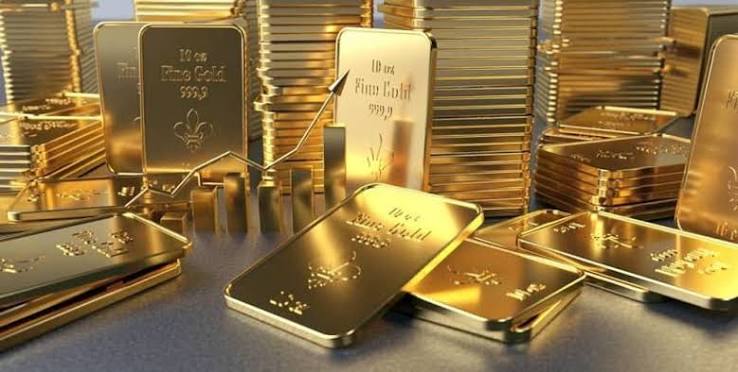
Gold prices rose over 1% on Tuesday, July 21, 2026, as markets reacted to potential diplomatic efforts for a 10-day ceasefire between the U.S. and Iran. While investors hope this will cool energy-driven inflation and interest rate hikes, continued military operations maintain significant geopolitical uncertainty.
NEW YORK — Gold prices advanced by more than 1% on Tuesday, July 21, 2026, as international markets reacted to reports of fresh diplomatic mediation efforts aimed at curbing the escalating conflict between the United States and Iran. The precious metal, which has faced significant pressure recently, climbed above the $4,050 per ounce threshold as investors assessed the potential for a 10-day ceasefire to stabilize global energy markets.
The diplomatic overtures, which reportedly involve mediators working to bring Washington and Tehran back to the negotiating table, arrive at a critical juncture. The ongoing conflict, which has intensified in the Strait of Hormuz, has kept global oil prices elevated—recently trading above $91 a barrel—fueling concerns that sustained high energy costs could entrench inflationary pressures and force the U.S. Federal Reserve to maintain or increase interest rates.
Diplomatic Mediation vs. Persistent Conflict
The rally in gold and other precious metals, including a 4.8% surge in silver, reflects a cautious market shift toward hope, even as kinetic military operations continue. While Iranian officials have confirmed the receipt of a ceasefire proposal, the ground reality remains volatile. The U.S. military reported an 11th consecutive night of strikes on Iranian assets early Wednesday, with President Donald Trump signaling a firm stance against further attacks following the deaths of U.S. service members.
Furthermore, regional threats have expanded beyond the Persian Gulf. Houthi militants aligned with Tehran have threatened a naval blockade on Saudi Arabia, raising the risk of disruption to energy flows and commerce across the Red Sea, a development that continues to keep market volatility high.
Market Impact: Interest Rates and Inflation
The current gold price trajectory is closely tethered to inflation expectations. Historically, gold serves as a hedge against inflation; however, its appeal is often dampened by high interest rates, which increase the opportunity cost of holding non-yielding assets.
"Gold has been in search of a price floor after its epic rally in January," noted independent analyst Ross Norman. Investors are currently pricing in a more than 60% probability of a Federal Reserve rate hike in September, according to the CME FedWatch Tool, as policymakers weigh the persistence of inflation against the risks of a broader regional war.
Official Sources
Reuters/AP Reports: Primary coverage of the U.S.-Iran conflict and ceasefire proposals.
CME Group: Data regarding interest rate probability and market outlooks.
ACLED (Armed Conflict Location & Event Data Project): Intelligence on regional violence and military activity.
Quote Section
"A senior Iranian official told Reuters on Monday that Tehran had received a proposal from mediators for a 10-day ceasefire in efforts to salvage the interim deal".
Why It Matters
For global investors, the volatility in gold prices serves as a barometer for Middle Eastern stability. A successful de-escalation could lower energy-related inflationary pressure, potentially allowing central banks to ease their hawkish stance. Conversely, a failure in diplomacy could see energy prices spike further, exacerbating economic instability for businesses and households worldwide.
Key Facts at a Glance
Gold Performance: Spot gold rose over 1% to reach approximately $4,056–$4,070 per ounce on Tuesday.
Market Catalyst: Reports of a proposed 10-day ceasefire between the U.S. and Iran drove the uptick in precious metal prices.
Energy Prices: Brent crude has remained elevated above $91 per barrel, maintaining pressure on global inflation.
Rate Outlook: Markets are pricing in a >60% chance of a Federal Reserve rate hike in September as energy costs drive inflation concerns.
FAQ
Why is gold rising despite the ongoing conflict?
Gold is rising on the hope that diplomatic efforts, specifically a proposed 10-day ceasefire, might reduce energy-driven inflation, which in turn could lead to a less aggressive interest rate path from the Federal Reserve.
How does the conflict affect gold prices?
The conflict pushes oil prices higher, which fuels inflation. High inflation usually prompts higher interest rates, which historically makes gold—a non-yielding asset—less attractive. If diplomacy eases inflation fears, gold becomes more appealing.
What is the status of the U.S.-Iran conflict?
Despite ongoing mediation efforts, the conflict remains active, with the U.S. military continuing strikes against Iranian assets as of July 22, 2026, and Iran maintaining its pressure on shipping routes in the Strait of Hormuz.
Source: Reuters, Trading Economics, ActionForex, Britannica