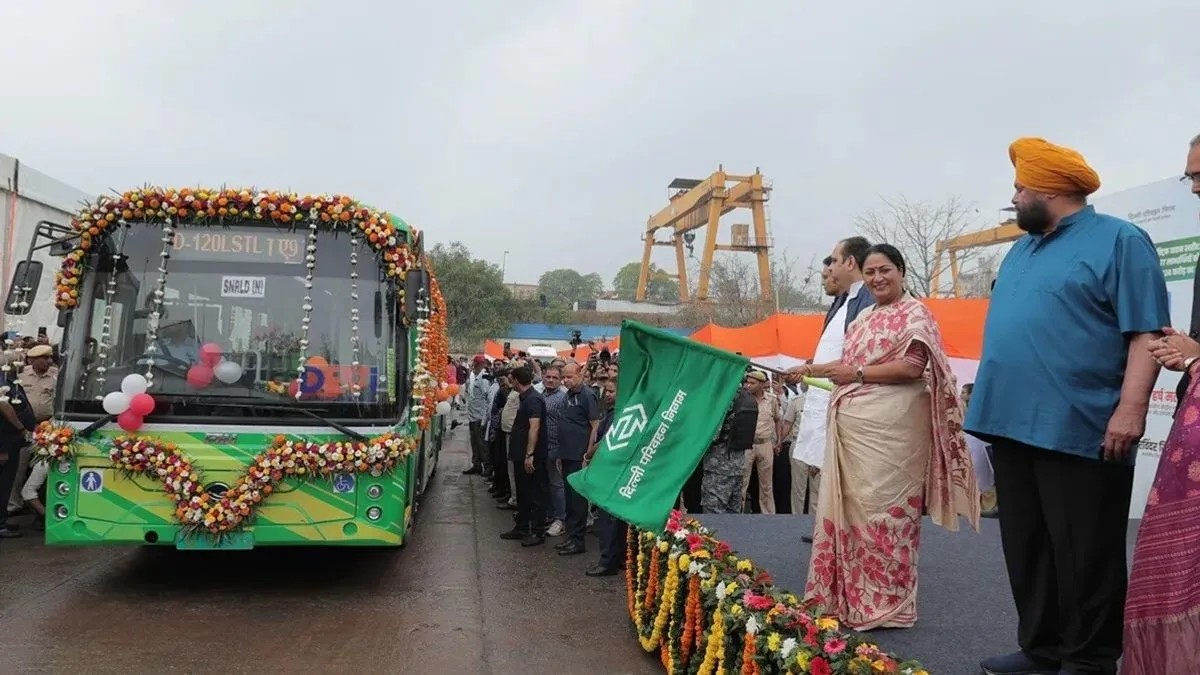
The Delhi Government will launch 300 new electric buses on Tuesday, July 7, 2026, in an event chaired by Union Home Minister Amit Shah. Financed under the federal PM E-Drive scheme, the deployment expands the capital's zero-emission fleet beyond 4,500 units, targeting 8,000 operational electric buses by early 2027.
NEW DELHI, India — The Delhi Government, in coordination with the central administration, is scheduled to formally launch 300 new electric buses on Tuesday, July 7, 2026. The deployment program, chaired by Union Home Minister Amit Shah alongside state transit officials, marks a key phase in the city's aggressive transition toward zero-emission public transport. Aimed at expanding transit capacity while curbing severe regional air pollution, the addition boosts the city's operational zero-emission vehicle infrastructure at a critical juncture for urban climate governance.
Fleet Expansion and Route Strategy
According to official briefings from the Delhi Transport Department, the incoming fleet consists of low-floor, fully air-conditioned electric vehicles designed to optimize suburban and high-density corridors. The 300 units are divided into two operational specifications: approximately 1,400 smaller 9-meter buses are being integrated into the broader multi-phase rollout plan to service narrow city corridors and routes with lower passenger demand, while standard 12-meter buses will reinforce major arterial transit networks.
The deployment directly affects millions of daily commuters by addressing severe passenger wait times and replacing aging internal combustion engine units. Transit planners stated that the new electric buses are configured with real-time tracking systems, global positioning system (GPS) mapping, automated passenger counters, and emergency panic buttons linked directly to a centralized control room. For commuters, the rollout ensures greater route reliability and localized reductions in particulate matter emissions along high-traffic roads.
Funding Models and the PM E-Drive Framework
The capital's transition is heavily subsidized through federal financial allocations. This latest batch is integrated with the central government's newly structured PM E-Drive scheme, which has succeeded earlier iterations of Faster Adoption and Manufacturing of Electric Vehicles (FAME) incentives.
A senior official from the transport department, speaking on the condition of anonymity ahead of the Tuesday launch, confirmed that financial and administrative paperwork has been fast-tracked. The city currently operates more than 4,500 zero-emission buses. Following Tuesday’s launch, the state is advancing a comprehensive cabinet note for financial clearance to procure an additional 2,800 electric buses under the Phase 1 scheme, aiming to swell the operational fleet to 8,000 operational clean-energy units by April 2027.
Furthermore, long-term regulatory filings show that the state has requisitioned an additional 3,330 vehicles under PM E-Drive Phase 2, looking ahead to the 2028–2029 fiscal year to ensure structural permanence for electrified mass mobility.
Impact on Urban Air Quality and Infrastructure
The rollout of these 300 electric buses comes as regional authorities face mounting regulatory pressure to curb winter smog and year-round vehicular emissions. According to the Union Ministry of Heavy Industries, replacing a standard diesel bus with an electric alternative saves thousands of liters of fossil fuel annually and prevents massive quantities of carbon dioxide emissions over the vehicle's lifecycle.
To support the massive deployment, the Delhi Transport Corporation (DTC) has finalized structural modifications across key bus depots, including Rajghat, Rohini, and Mayapuri. These facilities have been upgraded with high-capacity charging points, dedicated sub-stations, and automated mechanical testing infrastructure. Energy distribution companies have also guaranteed uninterrupted power supplies to these hubs to handle peak overnight charging requirements without impacting the domestic municipal grid.
Official Sources Section
The implementation data, fleet sizes, and scheduling parameters detailed in this report are verified by formal announcements from the Delhi Chief Minister's Office, operational updates from the Delhi Transport Department, and regulatory guidelines published under the Union Government's PM E-Drive program.
Quote Section
"The expansion of the green transport fleet is structured to ensure cleaner air and a reliable, world-class commuting framework for the capital's residents."
— Delhi Transport Department Officials
"According to officials, the long-term acquisition timeline remains on schedule to hit approximately 14,000 fully electric public vehicles before the turn of the decade."
Why It Matters
The rapid expansion of electric mass transit holds severe operational implications for municipal governance, fiscal planning, and public health. For city residents, the immediate benefit manifests as reduced toxic tailpipe emissions in dense urban areas, directly combating respiratory illnesses. For automotive investors and manufacturers, Delhi's continuous multi-thousand-unit tenders signal a stable, long-term domestic market for heavy electric commercial vehicles, driving down battery procurement costs and encouraging localized component assembly.
Key Facts at a Glance
Launch Date: Tuesday, July 7, 2026, under a formal program chaired by Union Home Minister Amit Shah.
Fleet Increment: 300 new air-conditioned, low-floor electric buses added to the city's public grid.
Current Volume: Pushes the total operating volume of clean-energy municipal buses well beyond the 4,500-unit milestone.
Long-term Target: Part of a broader strategic framework to scale the transport network to 8,000 units by April 2027 and 14,000 by 2029.
Safety Integration: Buses feature integrated CCTV networks, direct panic buttons, and accessibility ramps for disabled passengers.
Frequently Asked Questions
When will the new electric buses enter public service?
The 300 buses will be officially flagged off on Tuesday, July 7, 2026, and are expected to enter active passenger routes immediately following the launch event.
What safety features are included on these new buses?
Every unit is legally required to feature real-time GPS tracking, internal CCTV cameras, emergency panic buttons connected to municipal law enforcement, and dedicated accessibility support for passengers with disabilities.
How big is Delhi's total electric bus fleet now?
Prior to this launch, Delhi operated over 4,500 electric buses. The 300 additional vehicles increase the active zero-emission fleet, positioning the city among the top municipal operators of electric transit globally.
Who is funding the procurement of these electric vehicles?
The procurement is jointly financed by the Delhi State Government and the Central Government of India under the specialized PM E-Drive infrastructure scheme.
Sources: Delhi Transport Department, Hindustan Times