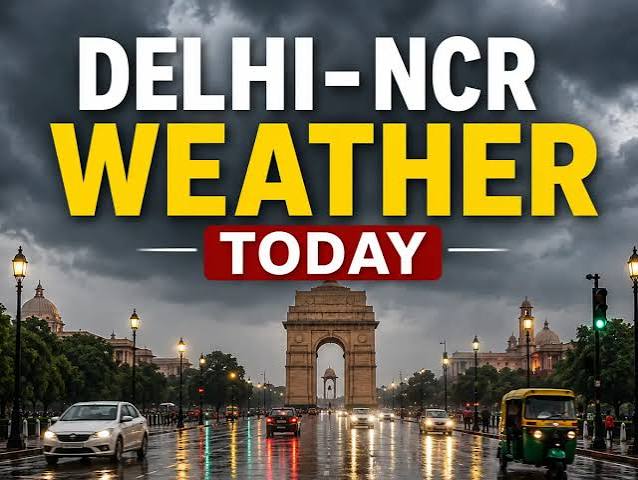
Delhi’s intense rainy spell is concluding as the IMD forecasts a shift toward drier, sunny weather starting July 11. Temperatures are expected to rise to 38°C over the coming days, providing relief from recent waterlogging and transit disruptions while bringing warmer, more humid conditions to the national capital region.
NEW DELHI — After days of relentless rainfall that caused widespread waterlogging and traffic disruptions across the National Capital Region, the India Meteorological Department (IMD) has signaled a shift in weather patterns. According to the latest forecasts, the intense monsoon activity over Delhi is expected to decline significantly from today, July 11, paving the way for a warmer, drier spell in the coming days.
While the city woke up to mostly sunny conditions this morning, the IMD has indicated that the region will see temperatures climb steadily. The forecast suggests high temperatures will hover around 36°C to 38°C through early next week, marking a departure from the cooler, rain-washed days experienced earlier in the week.
Transition to Drier Weather
The shift follows a low-pressure system over Uttar Pradesh that previously sustained heavy rainfall across north and northwest India. As this system weakens, the monsoon trough is moving, leading to a reduction in rainfall intensity for the national capital.
"Rainfall activity is expected to decline from July 11," the IMD noted in its latest bulletin, confirming that while isolated thunderstorms or light rain remain a possibility in the short term, the period of incessant, heavy downpours has largely concluded. This shift is critical for municipal authorities and commuters, who have faced significant infrastructure challenges, including road closures and waterlogged transit routes, since the onset of the heavy showers on July 9.
Impact on Residents and Infrastructure
The return of higher temperatures and sunny skies is expected to alleviate some of the waterlogging issues that plagued residential areas and major highways throughout the week. However, the rise in temperature, with forecasts indicating a potential climb toward 38°C by mid-week, will likely lead to an increase in humidity-induced discomfort for residents.
For travelers and commuters, the stabilization of weather is expected to ease the pressure on public transport and reduce the frequency of traffic snarls that paralyzed the city during the peak of the monsoon spell.
Official Sources
The India Meteorological Department (IMD) remains the primary authority monitoring the situation. According to official announcements:
The IMD has downgraded the alert levels for Delhi, moving away from the orange alerts issued earlier in the week.
The department continues to monitor regional wind patterns and moisture levels to provide updated short-range forecasts.
Why It Matters
The return to normal temperatures and drier weather is essential for the restoration of civic services and the clearing of flood-affected zones. Furthermore, it marks a pivot in the city’s climate trajectory as it enters a mid-monsoon phase, balancing the need for groundwater replenishment with the logistical requirements of a major urban center.
Key Facts at a Glance
Temperature Trend: Highs are expected to rise from 36°C today to approximately 38°C by early next week.
Rainfall Outlook: Heavy, persistent rain has subsided, with only light or isolated activity predicted through July 15.
Current Status: The national capital is transitioning from a "generally cloudy" period to "mostly sunny" and "sunny" conditions.
IMD Guidance: The monsoon remains active nationwide, but Delhi is experiencing a temporary reduction in precipitation intensity.
FAQ
Is the monsoon over in Delhi?
No, the monsoon remains active across the country, but Delhi is currently experiencing a period of reduced rainfall intensity as the monsoon trough shifts.
When will the temperatures rise?
Temperatures are already beginning to climb today and are forecasted to reach highs of 37°C–38°C by July 13–14.
Are there any weather alerts currently in effect?
The severe orange alerts for heavy rain have been lifted, though residents should remain updated via the IMD for localized, short-range changes.
Source: India Meteorological Department (IMD), Livemint, The Hindu