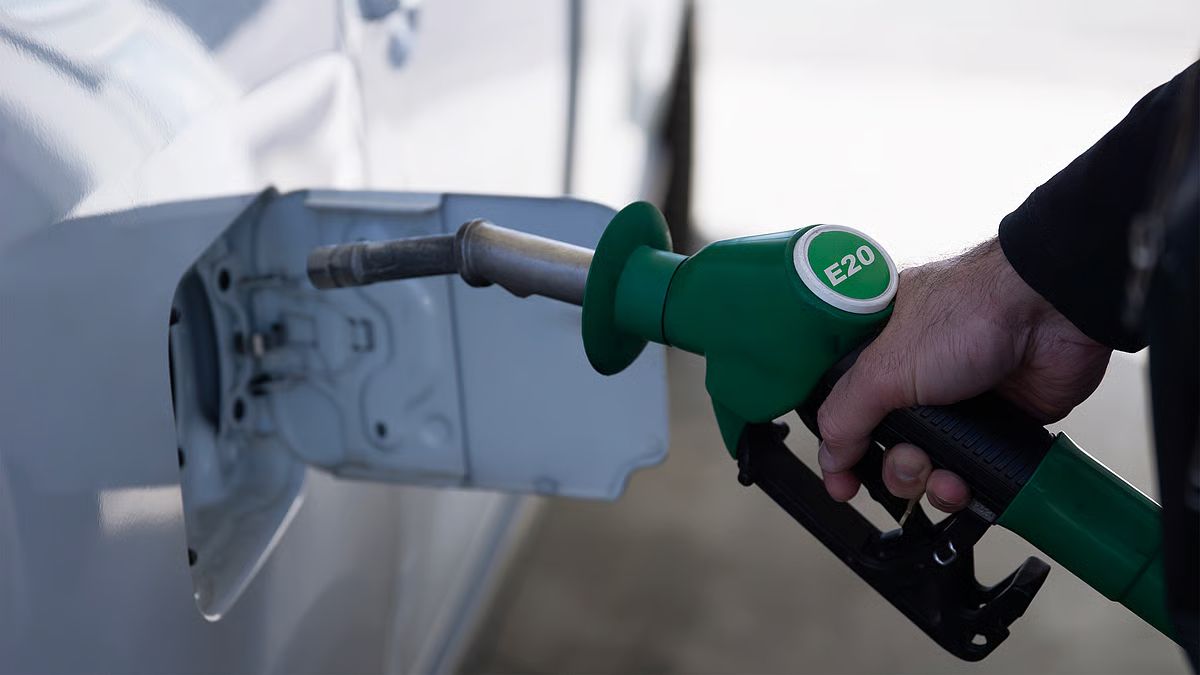
A new nationwide survey reveals that 67% of pre-2023 car owners experience a mileage drop of over 10% when using E20 petrol. The findings highlight persistent real-world fuel efficiency and maintenance challenges as India accelerates its national green energy transition.
A comprehensive nationwide survey reveals that over six in ten pre-2023 vehicle owners face a steep drop in fuel efficiency under E20 petrol.
More than a year after India completed its nationwide rollout of 20% ethanol-blended (E20) petrol, consumer discontent regarding vehicle performance remains prominent. According to a comprehensive pan-India study published by LocalCircles and highlighted in market reports, 67% of owners driving petrol vehicles manufactured before 2023 reported a fuel efficiency decline exceeding 10%. The data underscores ongoing challenges for millions of motorists navigating higher biofuel concentrations without optimized engine calibrations, even as federal policymakers prepare for subsequent energy transition milestones.
Survey Insights and Real-World Mileage Losses
The extensive consumer survey captured more than 45,000 responses from vehicle owners spread across 309 districts.
Severe Efficiency Drops: Among respondents addressing fuel economy, nearly a quarter noted efficiency losses scaling past 20% compared to early operational baselines.
Rising Mechanical Wear: Approximately 45% of participants running pre-2023 models flagged unusual wear and tear, citing component failures in fuel pumps, fuel lines, injectors, and tanks.
Persistent Complaints: Observable symptoms reported by motorists included rough engine idling, harder cold starts, diminished pickup, and increased vibration.
Parallel data indicated that even among newer vehicles purchased between 2023 and 2024—marketed explicitly as E20-compatible—roughly 59% of owners still recorded a mileage reduction above 10%.
Regulatory Context and Legal Precedents
While official estimates from testing agencies like the Automotive Research Association of India (ARAI) project minor efficiency contractions of roughly 2% to 6%, real-world consumer experiences consistently outpace these projections. Government officials, including Union Minister Nitin Gadkari, have maintained that robust empirical proof linking E20 fuel directly to systemic engine damage remains unconfirmed. However, the debate has recently spilled into judicial forums, highlighted by a notable ruling from the Raipur District Consumer Disputes Redressal Commission instructing a major manufacturer to address engine failures tied to fuel incompatibility.
Quote Section
"According to official survey summaries and consumer reports, 'The findings indicate that consumer complaints have remained broadly established and persistent, pointing to real-world friction between higher ethanol mandates and legacy engine configurations.'"
Why It Matters
For everyday vehicle owners, reduced mileage and elevated maintenance expenditures translate to higher cost-of-ownership burdens. For automakers and fuel regulators, addressing these operational discrepancies is vital to maintaining public trust during aggressive national green-energy transitions.
Key Facts at a Glance
Core Finding: 67% of pre-2023 car owners report a mileage drop exceeding 10%.
Sample Scale: Over 45,000 responses gathered across 309 districts.
Mechanical Impact: 45% of older vehicle owners reported increased component wear.
Broader Horizon: India continues advancing towards higher blends (E25 to E30).
Frequently Asked Questions
Why are pre-2023 cars experiencing a mileage drop with E20 petrol?
Ethanol possesses lower energy density per litre than standard fossil petrol. Older vehicles lack adaptive engine management systems designed specifically to optimize higher alcohol blends.
What mechanical issues are motorists reporting?
Drivers have cited rough idling, hard cold starts, reduced acceleration, and increased wear on fuel pumps, injectors, and fuel lines.
Do newer vehicles face similar efficiency losses?
Yes, a subset of owners with vehicles purchased in 2023 and 2024 also report minor-to-moderate mileage reductions under real-world driving conditions.
Source: LocalCircles, Automotive Research Association of India (ARAI), Livemint