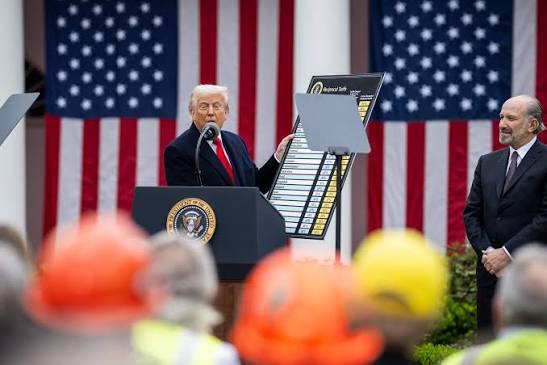
A coalition of Democratic state attorneys general has challenged the Trump administration's proposed 12.5% tariffs on 60 countries, arguing the policy lacks clear legal logic and will harm U.S. consumers. The administration defends the move as a necessary response to the global trade of goods linked to forced labor.
WASHINGTON — A coalition of Democratic state attorneys general has formally voiced opposition to the Trump administration’s proposal to impose additional tariffs of up to 12.5% on imports from 60 countries. The objection, submitted during the public comment period, argues that the move—framed by the White House as a measure to combat forced labor—lacks sufficient legal justification and risks destabilizing global supply chains.
The proposed tariffs, announced by the Office of the United States Trade Representative (USTR) on June 2, 2026, target economies that Washington claims have failed to effectively enforce prohibitions on goods produced with forced labor. While the administration asserts the duties are a necessary tool to eliminate human rights abuses, the Democratic attorneys general contend that the policy is a form of protectionism that will unfairly burden consumers and businesses rather than meaningfully address labor violations.
Legal and Economic Objections
The coalition’s letter challenges the administration’s use of Section 301 of the Trade Act of 1974 to justify the broad tariffs. According to the state officials, the USTR has failed to provide a rigorous, country-specific analysis that links the proposed tariffs to the actual prevalence of forced labor in those nations.
"The failure of our most important trading partners to address the importation of goods made with forced labor is unacceptable," USTR Jamieson Greer stated in an initial announcement. However, the attorneys general argue that the "one-size-fits-all" application of 10% and 12.5% duties ignores the varied regulatory environments across the 60 affected nations. Critics suggest that the lack of clear distinctions between countries with partial prohibitions and those with none undermines the policy's credibility.
Impact on Consumers and Global Trade
The proposed duties exclude several categories, including items already subject to Section 232 national security tariffs, such as steel and aluminum, as well as specific raw materials. Despite these exemptions, business advocacy groups and state leaders have expressed concern that the tariffs will contribute to inflationary pressure on consumer goods ranging from coffee and pharmaceuticals to aircraft parts.
The policy has drawn international backlash, with the European Commission and other trading partners labeling the duties as unjustified. Trade experts warn that by bypassing traditional diplomatic channels to resolve supply chain labor issues, the U.S. may trigger retaliatory trade actions, further complicating the economic landscape for American businesses.
Official Sources
The information regarding the USTR's Section 301 determination and the proposed tariff levels is documented in official notices from the Office of the United States Trade Representative. Details regarding the public hearing and comment process were confirmed by regulatory filings and industry analysts.
Quote Section
"According to officials," the administration believes the tariffs are a necessary escalation to pressure trading partners into strengthening their domestic enforcement against forced labor. Organizers stated that the public hearing held on July 7, 2026, was intended to provide a platform for stakeholders to discuss the proposed exemptions and the potential for long-term economic disruption.
Why It Matters
For businesses and investors, the uncertainty surrounding these trade measures presents significant operational challenges. If implemented, the tariffs would alter the cost basis for a wide array of imports, potentially forcing companies to re-evaluate their global sourcing strategies. The opposition from Democratic state attorneys general signals a deepening political divide over the administration's "America First" trade agenda, suggesting that the policy may face protracted legal battles regardless of its final implementation.
Key Facts at a Glance
Proposed Duties: Additional 10% to 12.5% tariffs on goods from 60 economies.
Primary Justification: Alleged failure to impose or enforce bans on forced labor imports.
Public Process: Public comments closed on July 6, with a formal hearing held on July 7, 2026.
Notable Exemptions: Includes products subject to existing Section 232 national security tariffs and critical raw materials.
FAQ
Why is the U.S. imposing these tariffs?
The administration claims the tariffs are a response to 60 countries failing to curb the trade of goods produced using forced labor, aiming to pressure these nations into tightening their regulations.
Which countries are affected?
The list includes 60 economies, such as India, Brazil, Japan, and members of the European Union, categorized based on their progress toward enforcing labor prohibitions.
What is the current status of the proposal?
As of July 7, 2026, the proposal has undergone public hearings and review. The USTR is currently evaluating comments to decide whether to implement, modify, or abandon the tariff plan.
Are there exemptions for consumers?
Yes, the USTR has listed dozens of pages of product exemptions, including food staples, pharmaceuticals, and rare earth metals, to prevent domestic supply shortages and cost-of-living spikes.
Source: Office of the United States Trade Representative (USTR), Thompson Hine Trade Compliance Analysis, Reuters News Service