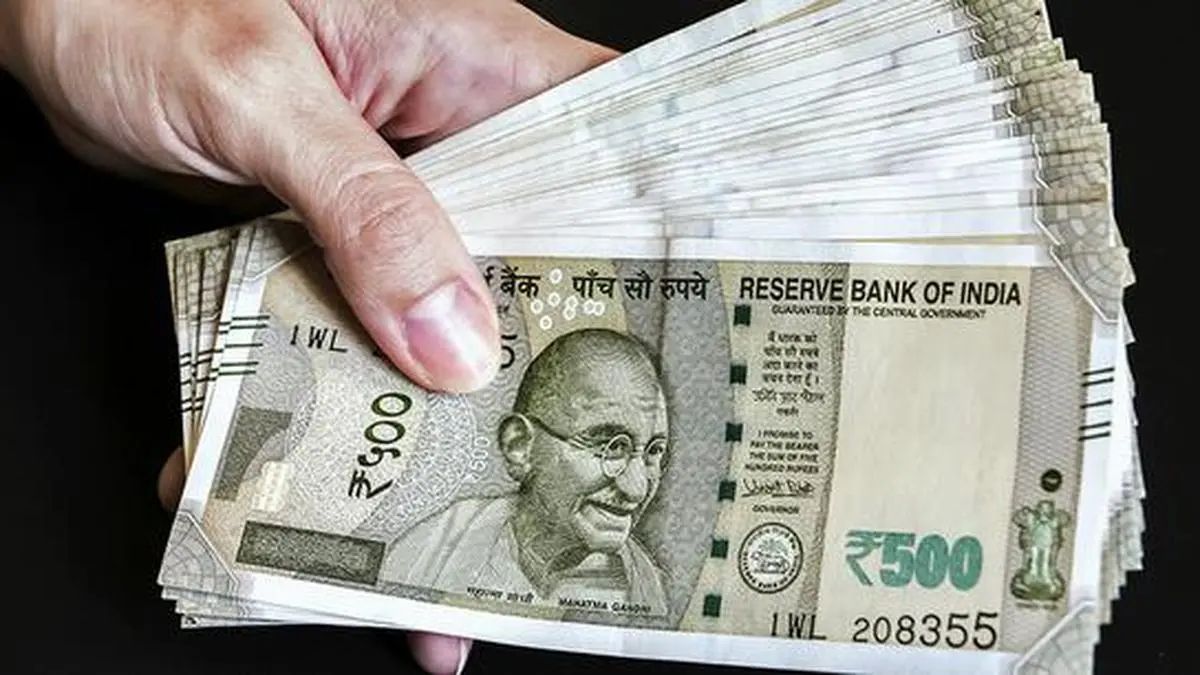
India’s aggressive push toward a digital economy through UPI and the e-Rupee faces friction as physical cash remains vital for personal choice and financial inclusion. According to financial policy commentaries published in September 2026, cash preserves individual liberty and safeguards vulnerable demographics against persistent cyber fraud and exclusion.
Backed by expert financial analysis, the national transition toward digital payments highlights persistent gaps in inclusion, cyber security, and individual autonomy.
While government initiatives continue to champion digital transactions across India, physical currency maintains an enduring role as an essential instrument of personal choice and financial freedom. According to an analytical commentary published by financial policy experts in September 2026, the state’s continuous drive to digitize monetary transactions via the Unified Payments Interface (UPI) and the Central Bank Digital Currency (CBDC) is often marketed as a triumph of convenience and efficiency.
However, critics and former regulatory officials note that the aggressive transition away from physical cash frequently overlooks severe systemic challenges, including pervasive cyber fraud, digital exclusion among rural citizens, and acute gender gaps in mobile phone and smartphone access.
Evaluating Digital Pushback, Financial Inclusion Gaps, and State Control
Analyzing the broader implications of financial digitization reveals a complex tension between state-monitored programmatic payments and the fundamental right to financial privacy. According to structural insights and economic evaluations, key findings include:
Persistence of Physical Cash: Despite extensive promotion of digital alternatives, cash velocity remains exceptionally high, proving indispensable for daily commerce, informal labor markets, and large-value transactions outside formal networks.
The Gender Digital Divide: Official data indicates that women face severe barriers to financial technology adoption, with female mobile phone ownership hovering around 75% and smartphone penetration resting at a mere 35%.
Risks of Financial Exclusion: Rapid digital onboarding without adequate infrastructure deepens the exclusion of marginalized communities, exposing vulnerable users to rising waves of cyber fraud and technical failures.
Motivation for State Control: Policy analysts argue that the central government's unwavering commitment to digital monitoring stems less from welfare optimization and more from a desire for programmatic payment control, automated tax compliance, and behavioral tracking.
Why It Matters
The practical implications of preserving cash alongside digital infrastructure touch every consumer, business owner, and citizen across the country. In a diverse economy where millions lack reliable internet connectivity, smartphones, or digital literacy, physical currency acts as a vital safety net against sudden technical outages and fraud. For policymakers, recognizing cash not as an inefficiency to be eradicated, but as an essential pillar of democratic liberty, ensures that financial modernization does not come at the cost of civil autonomy.
Key Facts at a Glance
Digital Push Initiatives: Government promotion includes UPI and the e-Rupee (CBDC).
Gender Disparity: Women's smartphone penetration in India remains restricted at approximately 35%.
Systemic Vulnerabilities: Rapid digitization has correlated with rising incidents of pervasive cyber fraud and consumer risk.
Core Principle: Physical cash safeguards individual privacy, financial choice, and inclusion for unbanked demographics.
FAQ Section
Why does cash continue to play a critical role in India's economy?
Cash provides an immediate, universally accepted medium of exchange that guarantees privacy, independence, and accessibility for citizens lacking digital tools or internet connectivity.
What are the main drawbacks of pushing for a fully cashless economy?
A rapid transition risks excluding vulnerable populations—particularly women and rural communities—while exposing users to rising cyber fraud and centralized financial monitoring.
How has the e-Rupee (CBDC) performed in India?
The digital rupee has faced limited retail and institutional traction, struggling to replace traditional cash utility or counter decentralized alternatives as originally projected.
Where can official economic commentaries and monetary policy reviews be accessed?
Expert analyses, market opinions, and regulatory commentary are published regularly through financial platforms like The Economic Times and regulatory updates via the Reserve Bank of India Portal.
Source: The Economic Times, Reserve Bank of India (RBI), Council on Energy, Environment and Water (CEEW), Ministry of Finance India