India’s surging data centre capacity—projected to consume over 300 billion litres of water annually by 2030—is intensifying stress on municipal resources. According to industry analyses published in September 2026, fragmented regulatory frameworks and intensive server-cooling demands require immediate policy harmonization to protect local water security and mandate recycled wastewater usage.
Backed by recent industry commentaries and energy policy evaluations, rapid digital infrastructure growth is sparking urgent concerns over intense municipal water usage.
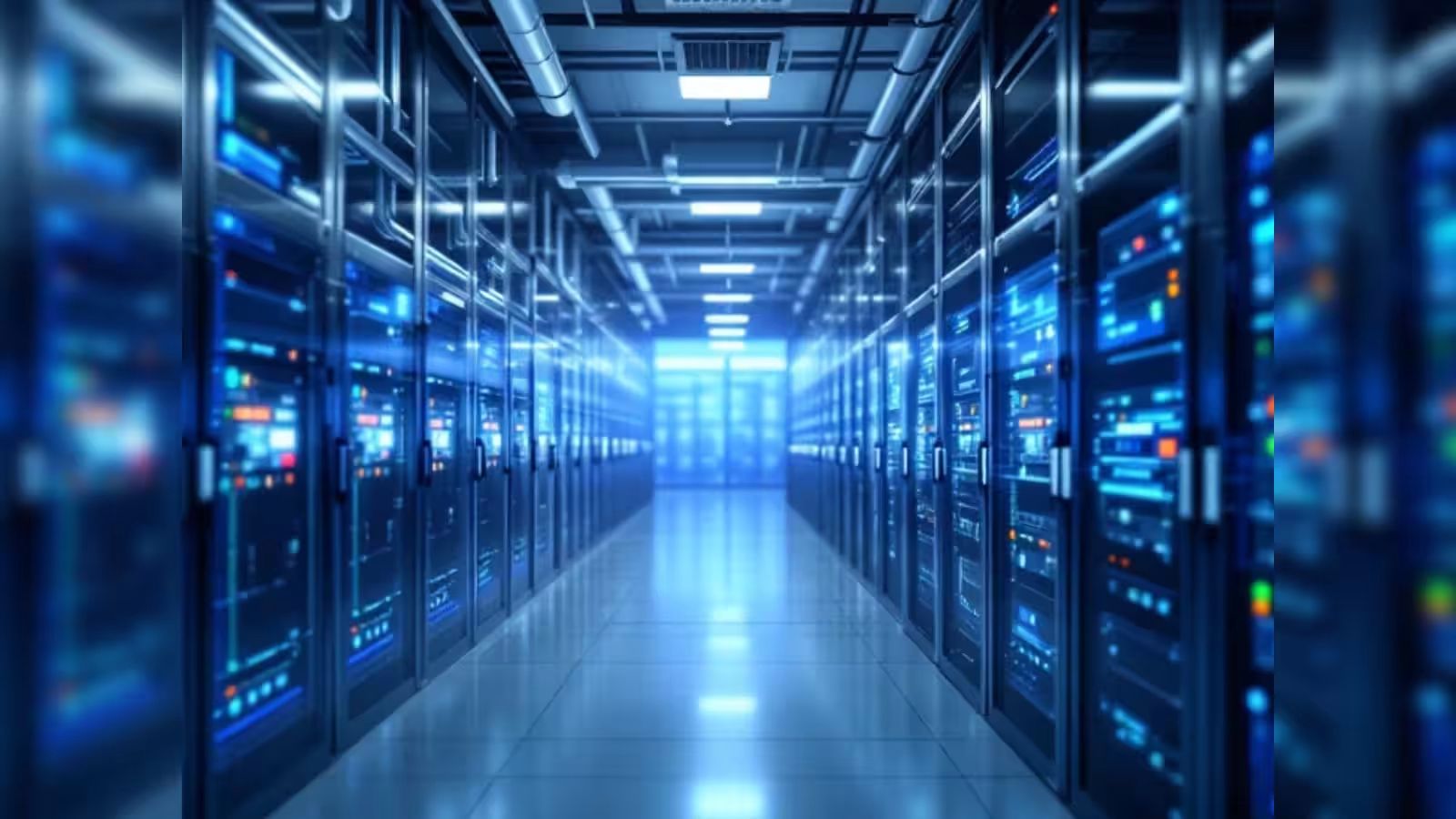
Fuelled by exponential demands for cloud computing, artificial intelligence, and digital services, India’s data centre ecosystem has expanded dramatically, jumping from 375 megawatts (MW) in 2020 to approximately 1,575 MW. However, this rapid technological scaling has triggered severe environmental and resource challenges.
According to comprehensive commentary and research published by the Council on Energy, Environment and Water (CEEW) in September 2026, a single 100-MW hyperscale facility can consume roughly 2 million litres of water daily for on-site server cooling. With national data centres consuming an estimated 150 billion litres in 2024—a figure projected to more than double by 2030—urban planners and regional authorities face mounting friction between digital advancement and municipal water security.
Evaluating Resource Demands, Regulatory Fragmentations, and Urban Stress
Analyzing the intersection of technological growth and municipal sustainability reveals systemic vulnerabilities across state borders and regulatory bodies. According to official findings and policy disclosures, key structural issues include:
Escalating Consumption Volumes: National data centre water consumption is on track to surpass 300 billion litres annually by 2030, with many facilities situated in water-scarce urban clusters like Thane and Visakhapatnam, where local populations already face severe daily supply deficits.
Fragmented Institutional Oversight: Water governance remains decentralized across multiple agencies. Facilities extracting groundwater require No Objection Certificates (NOCs) from the Central Ground Water Authority (CGWA), while State Pollution Control Boards (SPCBs) oversee effluent discharges under the Water Act of 1974.
Inconsistent State Mandates: A February 2026 CEEW study revealed that out of 15 surveyed states with water reuse policies, only five explicitly incorporate binding sustainability provisions or mandatory efficiency standards for digital infrastructure.
Policy Harmonization Models: Experts advocate aligning industrial guidelines with national frameworks like AMRUT 2.0, which mandates that states meet 40% of urban industrial water demand through treated wastewater reuse.
Why It Matters
The practical implications of unregulated water consumption by hyperscale data centres affect municipal populations, regional farmers, and commercial enterprise operations alike. In water-stressed metropolitan corridors where residential communities already experience acute supply deficits, unmonitored industrial extraction threatens local aquifers and public stability. For technology investors and operators, adopting unified reporting standards and mandating closed-loop, treated wastewater cooling systems is no longer optional—it is a critical prerequisite for long-term operational license and social equity.
Key Facts at a Glance
Capacity Growth: Indian data centre capacity expanded from 375 MW in 2020 to 1,575 MW.
Cooling Footprint: A standard 100-MW hyperscale facility consumes up to 2 million litres of water daily.
Consumption Projections: Sector usage touched 150 billion litres in 2024 and is projected to more than double by 2030.
Core Recommendation: Mandating treated wastewater reuse for cooling in over-exploited blocks under frameworks like AMRUT 2.0.
FAQ Section
Why is water usage by data centres becoming a major concern in India?
Rapid expansion has driven up daily cooling demands, with facilities often located in water-stressed urban areas where municipal supplies already fall short of local residential needs.
How much water does a typical hyperscale data centre consume?
A modern 100-megawatt hyperscale data facility can consume approximately 2 million litres of water per day depending on its cooling technology.
Are there unified regulations governing data centre water consumption across states?
No. Water management is a state subject, resulting in fragmented policies where only a handful of states enforce binding sustainability provisions or water-efficiency standards.
Where can official research reports on India's data centre ecosystem be accessed?
Comprehensive analyses and policy recommendations are published regularly by research organizations like the Council on Energy, Environment and Water (CEEW) and financial media portals such as The Economic Times.
Source: The Economic Times, Council on Energy, Environment and Water (CEEW), Central Ground Water Authority (CGWA), Ministry of Jal Shakti Portals