US Secretary of State Marco Rubio stated that India and Iran are not pursuing trade deals following Prime Minister Narendra Modi's meeting with Iranian President Masoud Pezeshkian. Addressing international compliance on September 3, 2026, Rubio cautioned nations against helping Tehran evade strict US sanctions while monitoring ongoing diplomatic developments closely.
Backed by official diplomatic statements, Washington emphasizes strict global compliance and warns against sanctions evasion following high-level bilateral discussions.
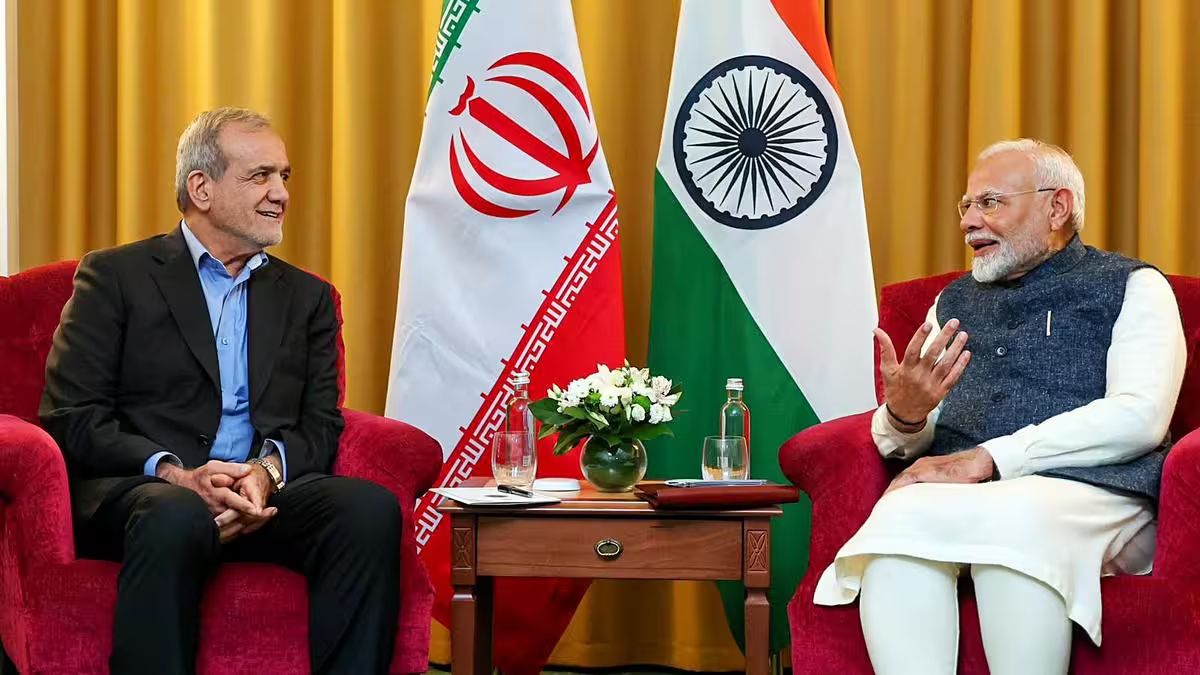
Weighing in on high-level diplomatic engagements, United States Secretary of State Marco Rubio has clarified that recent discussions between Indian leadership and Iranian President Masoud Pezeshkian do not involve active bilateral trade agreements. Speaking on Wednesday, September 3, 2026, Rubio addressed international media regarding the high-profile meeting between Prime Minister Narendra Modi and Iranian counterpart Masoud Pezeshkian, emphasizing that Washington remains vigilant about regional compliance.
The statement serves as a direct reminder of the strict sanctions framework governing Tehran's international economic interactions, even as regional diplomatic channels remain active.
Evaluating Diplomatic Stances, Sanctions Compliance, and Global Energy Markets
Analyzing the geopolitical implications of the Modi-Pezeshkian interaction reveals complex balancing acts between South Asia's energy security needs and Western enforcement policies. According to official government briefings and international press statements, key diplomatic factors include:
Sanctions Enforcement Warning: Secretary Rubio explicitly cautioned that no nation should assist Tehran in circumventing international economic penalties or financial restrictions.
Clarification on Bilateral Scope: Rubio affirmed to foreign policy desks that India and Iran are not currently negotiating formal trade pacts, keeping focus restricted to diplomatic exchanges.
Energy Diversification Context: New Delhi continues to balance its crude oil import requirements through diversified channels, emphasizing compliance with global regulatory ceilings while securing stable domestic supplies.
Strategic US-India Alignment: U.S. officials reiterated that broader bilateral ties between Washington and New Delhi remain resilient, anchored by ongoing defense cooperation and the 'Mission 500' framework to expand mutual commerce.
Why It Matters
The practical implications of Washington's strict stance on Iran policy ripple across international trade compliance, energy markets, and strategic partnerships. For Indian policymakers, navigating diplomatic dialogues with Tehran while managing robust economic alliances with Western nations requires careful compliance to avoid secondary sanctions. For global energy markets, the ongoing oversight underscores how geopolitics continues to dictate supply chains and bilateral economic frameworks.
Key Facts at a Glance
Diplomatic Focus: U.S. Secretary of State Marco Rubio addressed the meeting between PM Narendra Modi and Iranian President Masoud Pezeshkian.
Trade Status: Rubio confirmed that India and Iran are not currently pursuing trade deals.
Core Warning: Washington reiterated its strict stance against actions that assist Tehran in evading international sanctions.
Strategic Context: Bilateral U.S.-India cooperation continues to focus on defense, clean energy, and expanding economic metrics.
FAQ Section
What did U.S. Secretary of State Marco Rubio say regarding the Modi-Pezeshkian meeting?
Rubio stated that India and Iran are not engaged in trade negotiations and warned nations against helping Tehran evade international sanctions.
Are India and Iran pursuing formal economic agreements?
No. Official evaluations and U.S. diplomatic assessments confirm that active bilateral trade talks are not taking place between New Delhi and Tehran.
What is the primary concern of the United States regarding Iran?
Washington aims to enforce rigorous economic sanctions to curb regional security threats and prevent sanctions evasion by global trade partners.
Where can official statements regarding U.S. foreign policy and bilateral meetings be reviewed?
Official administrative updates, press briefings, and policy transcripts are published regularly on the [suspicious link removed].
Source: ETV Bharat, Amar Ujala, India Today