The New Battleground: Truth vs. Technology
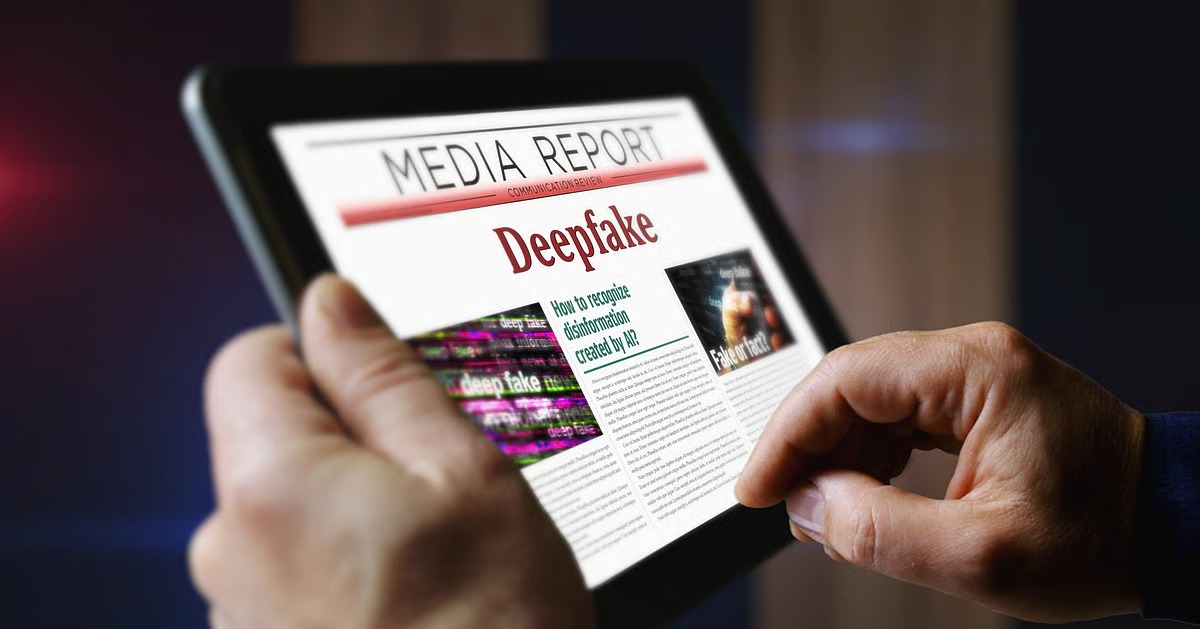
India’s 2025 election season has become a proving ground for the power—and peril—of deepfake technology. As AI-generated videos and voice clones flood social media, the question isn’t just about who will win, but whether voter...
The New Battleground: Truth vs. Technology
India’s 2025 election season has become a proving ground for the power—and peril—of deepfake technology. As AI-generated videos and voice clones flood social media, the question isn’t just about who will win, but whether voters can trust what they see and hear.
Deepfakes Go Mainstream
-
Over 75% of Indian voters encountered political deepfakes during the recent general election, with nearly one in four believing these AI-generated videos were real.
-
Deepfakes were used by all major parties, not just to attack rivals but also to reach voters in dozens of regional languages, sometimes even resurrecting deceased leaders for campaign messages.
Election Commission Steps Up
-
The Election Commission of India (ECI) issued new guidelines requiring political parties to label all AI-generated content and remove deepfakes from social media within three hours of notification.
-
Political parties are now obligated to identify and warn those responsible for creating or sharing manipulated content, with police and cyber units monitoring for violations.
-
Despite these measures, enforcement remains a challenge, especially in rural areas with low digital literacy and rapid content spread.
Tech and Policy Response
-
The government is working on the Digital India Bill to strengthen legal tools against deepfakes, while the IT Act and new intermediary rules already require platforms to act quickly on flagged content.
-
Social media giants like Google and Meta have submitted their own deepfake policies to Indian authorities, but detection tools are still imperfect and can lag behind viral misinformation.
Public Awareness and Risks
-
Fact-checking groups and public awareness campaigns are ramping up, but experts warn that misinformation spreads five times faster than corrections.
-
Deepfakes have been used to impersonate celebrities, politicians, and even create fake endorsements, risking public trust and potentially inciting unrest.
The Road Ahead
India’s legal and tech frameworks are evolving, but the battle against deepfake-driven misinformation is far from over. Experts call for stronger detection tools, more public education, and real-time monitoring to protect the integrity of future elections.
The Bottom Line
India’s Election 2.0 is a high-stakes contest not just for votes, but for the very nature of truth in democracy. As deepfakes blur the line between fact and fiction, vigilance, transparency, and rapid response are the new watchwords for a fair election.
Sources: Blackbird.AI, Economic Times, TechCrunch, Indian Express, Business Human Rights, Deccan Herald