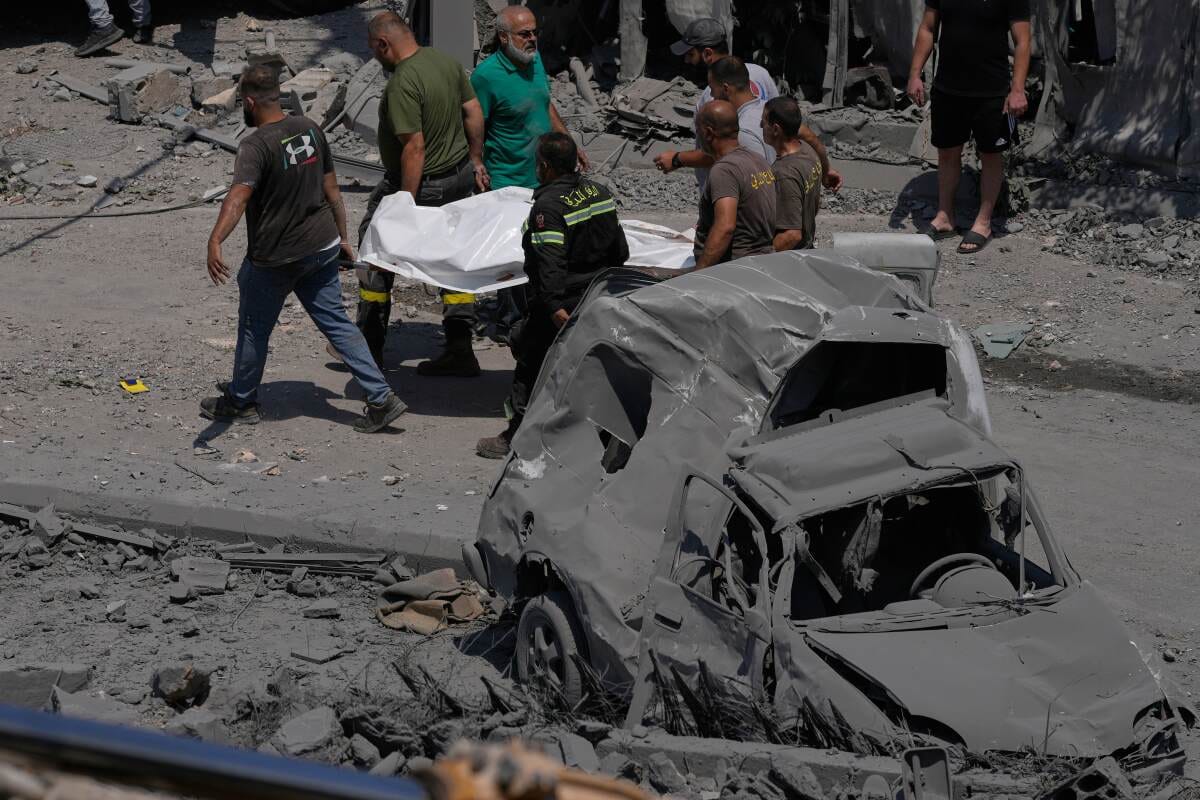
At least 11 people were killed and 19 others wounded on August 15, 2026, following Israeli airstrikes in southern Lebanon, according to Lebanon's Ministry of Public Health. The strikes on Ansar and Deir al-Zahrani mark the deadliest single-day escalation since a U.S.-mediated truce was established in June.
BEIRUT, Aug. 16, 2026 — At least 11 people, including three children and multiple women, were killed and 19 others injured following a series of Israeli airstrikes targeting southern Lebanon on Saturday, August 15.
According to updates published by the Public Health Emergency Operations Center under Lebanon’s Ministry of Public Health, the strikes represent the deadliest military escalation in the region since a U.S.-brokered truce went into effect on June 20, 2026. The aerial bombardment struck residential structures in the Nabatiyeh District, damaging infrastructure and elevating political tensions surrounding ongoing diplomatic negotiations.
Strike Locations and Casualties in Nabatiyeh District
According to reporting from Lebanon’s official National News Agency (NNA), one airstrike targeted a residential home on the outskirts of the village of Ansar, killing seven individuals—including three children—and injuring two others.
A separate airstrike struck the nearby village of Deir al-Zahrani, killing four people and wounding 17 others, including 11 women and a child. Additional strikes were reported near the strategic Ali al-Taher hill, which overlooks key access routes leading into the city of Nabatiyeh.
Emergency personnel and municipal defense teams operated throughout the night to clear debris and recover casualties from destroyed residential units.
Military Justification and Escalating Regional Diplomacy
The Israel Defense Forces (IDF) confirmed the operations, stating that warplanes targeted Hezbollah operational infrastructure in southern Lebanon in response to attacks directed against Israeli military personnel stationed near the border. Israeli military officials stated they would continue operations to prevent security threats against their soldiers.
In response, Lebanese Prime Minister Nawaf Salam criticized the military action, stating that strikes on residential buildings directly undermine international efforts to stabilize southern border areas. Lebanese President Joseph Aoun issued a statement via the Lebanese Presidency, emphasizing that targeting civilian structures jeopardizes ongoing diplomatic channels intended to enforce the June 26 framework agreement.
Hezbollah issued a separate statement calling on the Lebanese government to address Israeli violations of air space and sovereignty, warning that continued military operations would be met with an appropriate response.
Official Sources Section
Casualty figures and operational timelines are cited according to official bulletins issued by the Public Health Emergency Operations Center at Lebanon's Ministry of Public Health, official press statements released by the Lebanese Presidency, and operational statements published by the Israel Defense Forces.
Quote Section
According to official statements issued by the Lebanese Presidency following the strikes:
"These actions send a clear message regarding the negotiation track and compromise the diplomatic efforts aimed at enforcing the regional framework agreement."
Why It Matters
The renewed escalation threatens to destabilize the fragile June ceasefire, increasing risk profiles for international shipping, regional air travel, and commercial trade across the Eastern Mediterranean. For residents in southern Lebanon, the strikes signal heightened displacement risks, while energy investors and regional market analysts monitor the situation for broader regional contagion that could disrupt international commodity flows.
Key Facts at a Glance
11 Fatalities Reported: Lebanon's Health Ministry confirmed 11 deaths across Ansar and Deir al-Zahrani.
19 Civilians Wounded: Nineteen individuals sustained injuries during the Saturday morning strikes.
Deadliest Truce Breach: The bombardment marks the highest single-day mortality toll since June 20, 2026.
Conflicting Positions: Israel cited responses to threats against troops, while Lebanese leaders condemned strikes on civilian targets.
Frequently Asked Questions
Q1: What caused the August 15 airstrikes in southern Lebanon?
The Israeli military stated the strikes targeted Hezbollah infrastructure in response to attacks against Israeli soldiers. Lebanese officials disputed this, stating residential homes were hit.
Q2: How many casualties were confirmed by Lebanese health authorities?
Lebanon’s Ministry of Public Health confirmed 11 people were killed—including three children—and 19 were injured across the towns of Ansar and Deir al-Zahrani.
Q3: What is the status of the ceasefire between Israel and Lebanon?
A U.S.-mediated framework truce went into effect in late June 2026. However, regular exchange of fire and localized strikes continue to test the stability of the agreement.
Source: Official statements from Lebanon's Ministry of Public Health, official press releases from the Lebanese Presidency, press updates from the Israel Defense Forces, and reports from Lebanon's National News Agency (NNA).