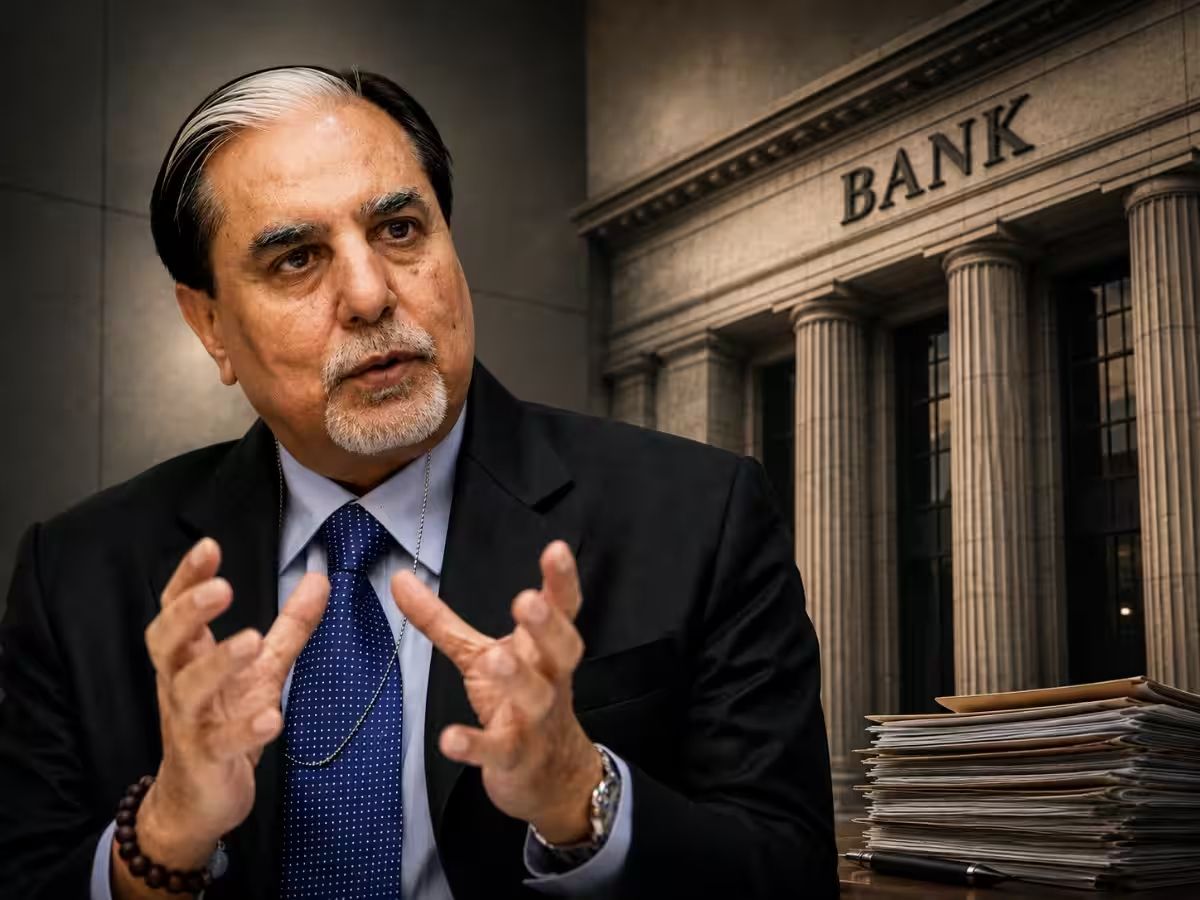
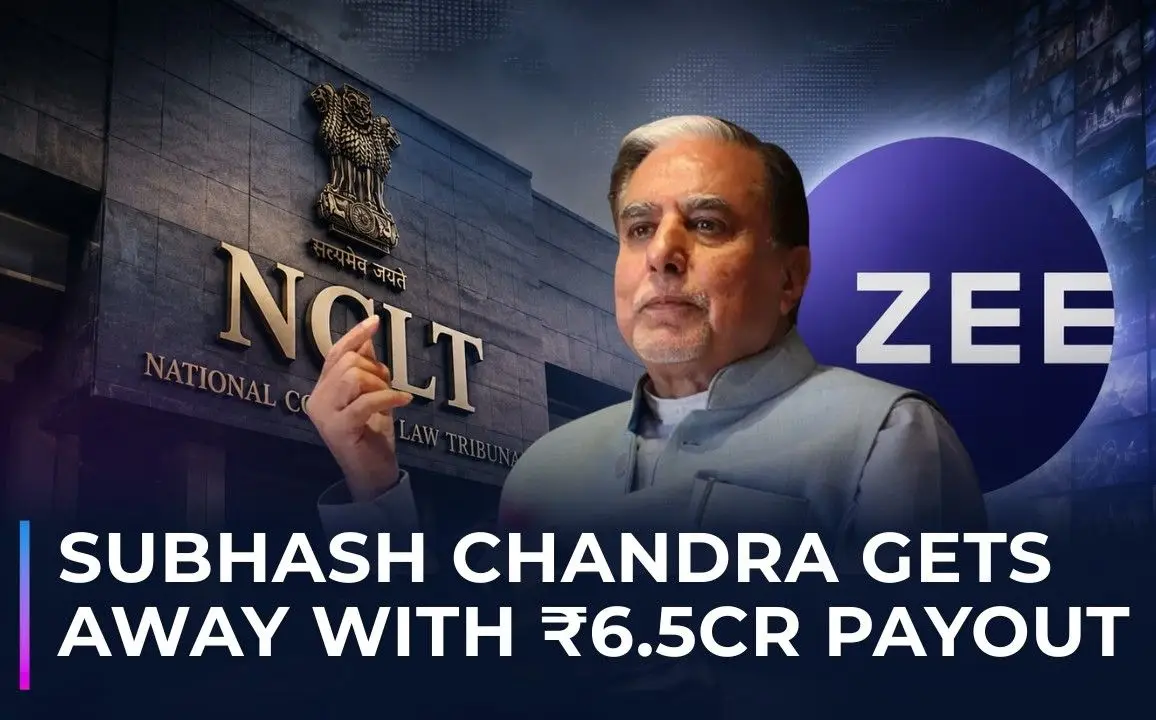
The National Company Law Tribunal (NCLT) faced a deadlock after failing to arrive at a unified majority decision regarding Essel Group founder Subhash Chandra's contentious ₹6.5 crore personal debt repayment plan. The split bench ruling has triggered intense legal debates over multi-billion rupee claims and lender haircuts.
Backed by official tribunal proceedings, the National Company Law Tribunal has encountered a judicial split over personal insolvency resolution terms.
Reaching a critical juncture in high-profile corporate litigation, the National Company Law Tribunal (NCLT) has encountered a procedural gridlock regarding personal debt settlements. According to official tribunal records and judicial disclosures from New Delhi, the original bench failed to arrive at a unified majority decision concerning the personal insolvency resolution and repayment plan submitted by Essel Group founder Subhash Chandra.
The contested proposal, which offered a repayment of approximately ₹6.5 crore against massive admitted creditor claims totaling over ₹22,006 crore, exposed sharp divisions among judicial and technical members regarding voting validity, statutory definitions of associated entities, and binding frameworks for dissenting financial institutions.
Evaluating the Judicial Deadlock and Split Bench Opinions
Insolvency proceedings involving personal guarantors of legacy corporate debt require strict adherence to statutory parameters under the Insolvency and Bankruptcy Code (IBC). According to official tribunal filings and regulatory documents, key elements of the split decision include:
Conflicting Opinions: Initial bench members delivered diverging verdicts—one supporting approval under strict commercial wisdom rules, while another advocated for a thorough forensic inquiry into related-party creditor voting shares.
The Claim-Payout Gap: Admitted claims against Chandra stood at approximately ₹22,006.57 crore, contrasted against an indicative payout proposal of roughly ₹6.5 crore.
Third-Member Referral: Due to the material differences in judicial interpretation, the matter required referral to a designated third member to untangle binding implications for dissenting lenders.
Appellate Escalation: Unresolved dissents prompted major financial institutions, including LIC Housing Finance, Canara Bank, and Union Bank of India, to challenge proceedings at the appellate level.
Why It Matters
The practical implications of deadlocked personal insolvency rulings ripple across the broader banking and credit ecosystem. For commercial lenders and public sector banks, managing personal guarantees extended by corporate promoters remains a core pillar of asset recovery. For the wider corporate sector, judicial clarity on majority voting blocks versus minority dissent shapes how high-value debt restructurings will be contested across Indian tribunals.
Key Facts at a Glance
Forum: National Company Law Tribunal (NCLT).
Subject: Personal insolvency and debt repayment plan of Subhash Chandra.
Admitted Claims: Approximately ₹22,006.57 crore.
Proposed Repayment: ₹6.5 crore.
Outcome: Split bench verdict requiring higher judicial review and appellate intervention.
FAQ Section
What caused the split decision at the NCLT regarding Subhash Chandra's plan?
The original bench members held conflicting views on whether to approve the low-value repayment plan based on creditor majority voting or to mandate a deeper forensic inquiry into related-party claims.
What is the total financial scale of the claims involved in the case?
Admitted claims against the personal guarantor total approximately ₹22,006.57 crore, while the disputed repayment plan proposed a settlement of ₹6.5 crore.
How do dissenting financial institutions view the repayment proposal?
Several lenders, including LIC Housing Finance and Canara Bank, have opposed the plan, arguing that the minuscule recovery constitutes an unviable and legally flawed resolution.
Where can legal professionals track official NCLT orders and appellate hearings?
Official judgments, cause lists, and daily tribunal updates are published publicly on the NCLT Official Portal and the National Company Law Appellate Tribunal (NCLAT) website.
Source: National Company Law Tribunal (NCLT) Portal, The Economic Times, Financial Express, The Indian Express