Medical experts from institutions including Stanford, Harvard, and Sir Ganga Ram Hospital recommend that individuals suffering from nighttime acid reflux switch to a left-side sleeping position. Combining this posture with a 6-to-8-inch bed incline and a three-hour pre-bed fasting window effectively keeps stomach acid from entering the esophagus.
NEW DELHI — Millions of global citizens experiencing disrupted sleep due to acid reflux are being urged by leading medical professionals to alter their sleeping posture. Gastroenterologists have identified that specific spatial alignment of the body during rest can significantly reduce the severe burning sensations and health risks associated with nocturnal gastroesophageal reflux disease (GERD).
Anatomy and Posture Define Nighttime Gastric Health
Why Acid Reflux Intensifies at Night
Clinical evidence underscores that acid reflux conditions deteriorate after dark primarily due to horizontal body placement. When lying flat, the natural force of gravity no longer aids in keeping gastric contents localized. Instead, stomach acid easily migrates upward into the esophagus, inducing painful heartburn and waking patients prematurely.
According to data published in the American Journal of Gastroenterology, structural body dynamics dramatically affect the longevity and volume of acid exposure within the esophagus. This ongoing sleep disruption directly undermines daily consumer productivity and long-term metabolic health.
The Left-Side Sleeping Solution
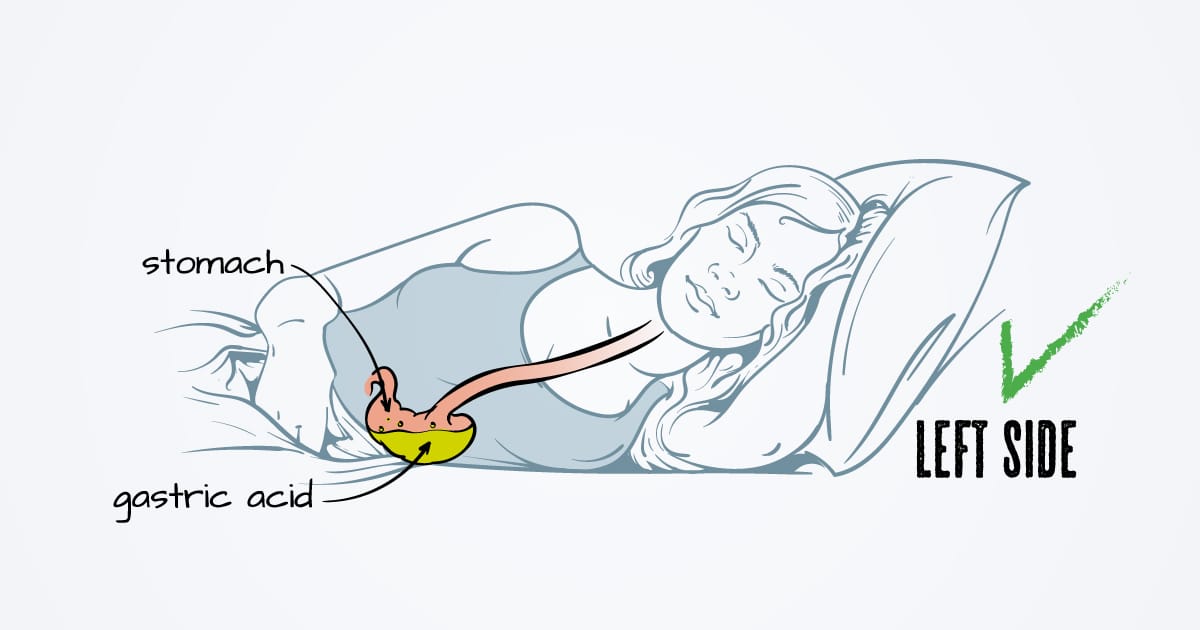
Gastroenterologists structurally endorse a left-side sleeping posture to counteract acid upward travel. The physical layout of human organs means that resting on the left side naturally sets the junction between the stomach and esophagus higher than the reservoir of gastric acid.
By utilizing this left-side layout, gravity keeps corrosive fluids pooled low within the stomach cavity instead of leaking into the sensitive upper digestive tract.
Expert Medical Interventions for GERD Prevention
Strategic Bed Elevation Techniques
Beyond side selection, health authorities suggest modifying the physical sleeping apparatus. Elevating the top portion of the bed structure by six to eight inches creates a permanent incline that suppresses acid mobility.
Medical experts highlight that this elevation must be achieved using dedicated structural wedge pillows or bed risers. Simply stacking standard head pillows bends the neck abnormally, increasing abdominal pressure and potentially worsening the underlying gastric tension.
Dietary Timing Restrictions
Gastrointestinal experts point out that structural changes must align with strict eating schedules to maximize effectiveness. Patients are advised to finish their final meal at least two to three hours before lying down, ensuring the stomach is relatively empty before the body enters a rested state.
Official Sources Section
The operational recommendations outlined in this report are based on official clinical statements and research guidelines from the following entities:
The Sleep Foundation: Landmark analysis on positional GERD management and sleep hygiene patterns.
The American Journal of Gastroenterology: Published empirical research tracking esophageal pH levels across varied rest positions.
Sir Ganga Ram Hospital: Clinical observations on lifestyle-driven gastroenterology treatments.
Expert Commentaries
"Sleeping on the left side reduces nighttime acid exposure. Along with this, you need to elevate the head of the bed by 6-8 inches to avoid feeling discomfort from acid reflux. The most important rule is to avoid meals within 3 hours of bedtime."
— Dr. Saurabh Sethi, MD, MPH, Gastroenterologist and Hepatologist (trained at AIIMS, Harvard University, and Stanford University)
"Those who have issues with nighttime acid reflux need to take their sleeping position into account. They should try sleeping on their left side, as it is known to reduce acid reflux."
— Dr. Piyush Ranjan, Senior Consultant Gastroenterologist, Sir Ganga Ram Hospital, New Delhi
Why It Matters
For everyday consumers, working professionals, and chronic pain sufferers, structural sleeping alterations provide a drug-free method to preserve digestive health. Mitigating nighttime reflux minimizes the risk of chronic tissue inflammation in the throat, curbs regular fatigue caused by fragmented sleep, and reduces dependency on long-term antacid therapies.
Key Facts at a Glance
Primary Posture: Sleeping on the left side lowers acid exposure by keeping the esophageal valve above the stomach fluid level.
Incline Requirements: The head of the bed should be raised 6–8 inches using solid wedge inserts, not piled standard pillows.
Digestion Window: Dinner should occur 2–3 hours before sleep to avoid stomach acid build-up.
Major Triggers: Fried items, caffeine, carbonated beverages, chocolate, and late-night heavy meals drastically exacerbate acid reflux.
FAQ Section
Q: Why does sleeping on my right side worsen heartburn?
A: Right-side sleeping shifts the stomach pool above the lower esophageal sphincter, allowing gravity to pull stomach acids down into the esophagus.
Q: Can I use multiple regular pillows to elevate my head?
A: No. Stacking regular pillows bends the torso and neck, which compresses the stomach area and can push acid upward. A unified mattress wedge is recommended instead.
Q: What warning signs indicate my acid reflux requires a doctor's visit?
A: You should seek professional medical evaluation if you experience regular difficulty swallowing, chest discomfort, a chronic cough, hoarseness, or unexplained weight loss.
Source:
Official medical documentation and institutional guidance provided by The Sleep Foundation and published empirical studies tracked in the American Journal of Gastroenterology.