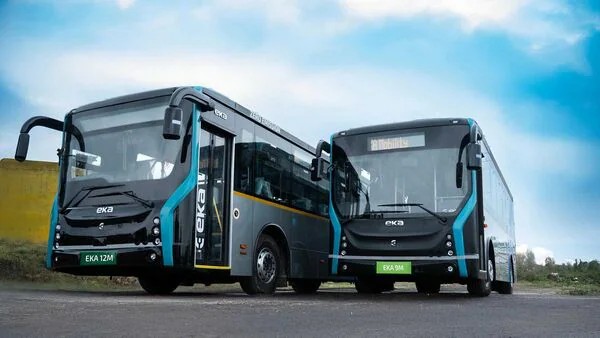
India has relaxed domestic sourcing rules for electric commercial vehicles to accelerate production of electric buses and trucks. The move aims to boost EV manufacturing, reduce dependence on imports, and help India meet climate targets while expanding clean mobility solutions across public transport and freight sectors.
India is taking another major step toward electrifying its transportation sector. The government has eased local sourcing requirements for electric commercial vehicles, particularly buses and trucks, to speed up production and deployment. The decision is expected to strengthen India’s EV manufacturing ecosystem and support its clean energy transition.
Policy Shift To Boost Electric Commercial Vehicle Manufacturing
The Indian government has relaxed certain domestic value-addition and sourcing requirements for electric buses and trucks under key EV incentive schemes. Previously, manufacturers had to meet stricter local sourcing thresholds to qualify for subsidies and incentives.
By easing these rules, authorities aim to allow manufacturers greater flexibility in procuring components globally while domestic supply chains continue to mature. This change is expected to accelerate manufacturing timelines and encourage faster rollout of electric commercial vehicles across India.
Industry experts say the move could significantly benefit companies developing electric buses for public transport fleets as well as electric trucks for logistics and freight operations. With urban pollution and fuel costs rising, demand for electric commercial vehicles has been increasing rapidly.
Supporting India’s EV Adoption And Climate Goals
India has set ambitious targets to electrify its transportation sector as part of its broader climate commitments and net-zero strategy. Electrifying buses and trucks is especially important because commercial vehicles contribute significantly to urban air pollution and carbon emissions.
Relaxing sourcing rules could help manufacturers scale production more quickly and reduce costs, making electric buses and trucks more competitive with diesel-powered vehicles. This policy shift also complements government initiatives aimed at expanding EV charging infrastructure and promoting domestic battery manufacturing.
Key Highlights
-
India has relaxed domestic sourcing requirements for electric buses and trucks
-
The move aims to accelerate production and deployment of electric commercial vehicles
-
Manufacturers will gain more flexibility in sourcing components globally
-
The decision supports India’s EV adoption targets and climate commitments
-
Electric buses and trucks play a key role in reducing urban pollution and freight emissions
Sources: Government policy announcements, EV industry reports, Reuters