




Loading market data...
ADVERTISEMENT

Latest Top News
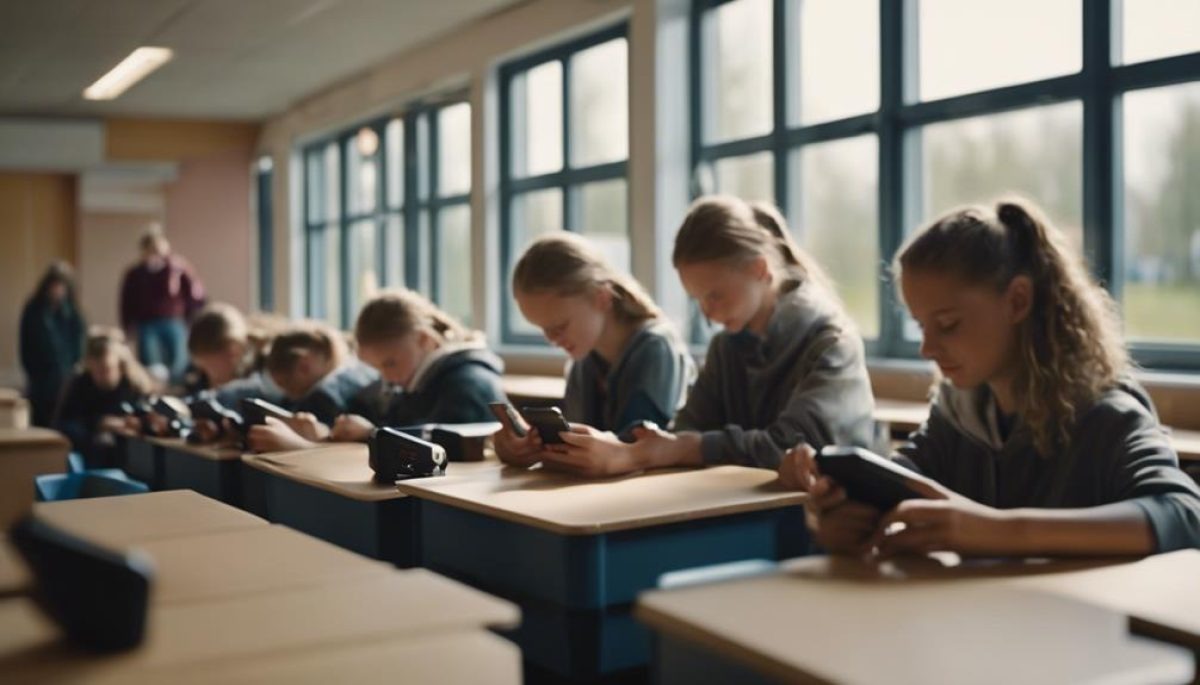
Dutch Schools Ditch Mobiles, What Happened Next Is Eye-Opening
Dutch schools implemented a ban on mobile phones to improve focus and classroom engagement. The results have been striking students reported better concentration, teachers observed higher participation, and overall learning environments became more interactive. The move has sparked global debate on digital distractions in education.
Stay Ahead – Explore Now! Rhythms of India: Grand Cultural Confluence Ignites Classical Stage
ADVERTISEMENT

Latest Updates

Last Date to Buy Brigade Enterprises Shares for 1:...
16 Jun 2026, 08:52 AM
Turtlemint Fintech Solutions IPO Price Band Set At...
16 Jun 2026, 08:48 AM
India and UAE Expand Rupee-Dirham Trade Settlement...
16 Jun 2026, 08:26 AM
Indian VCs Redirect AI Portfolios to US Startups f...
16 Jun 2026, 08:17 AM
Kerala Launches Priyadarshini Free Bus Travel Sche...
16 Jun 2026, 08:12 AMADVERTISEMENT

Top Stories
Last Date to Buy Brigade Enterprises Shares for 1:...
16 Jun 2026, 08:52 AM
Turtlemint Fintech Solutions IPO Price Band Set At...
16 Jun 2026, 08:48 AM
India and UAE Expand Rupee-Dirham Trade Settlement...
16 Jun 2026, 08:26 AM